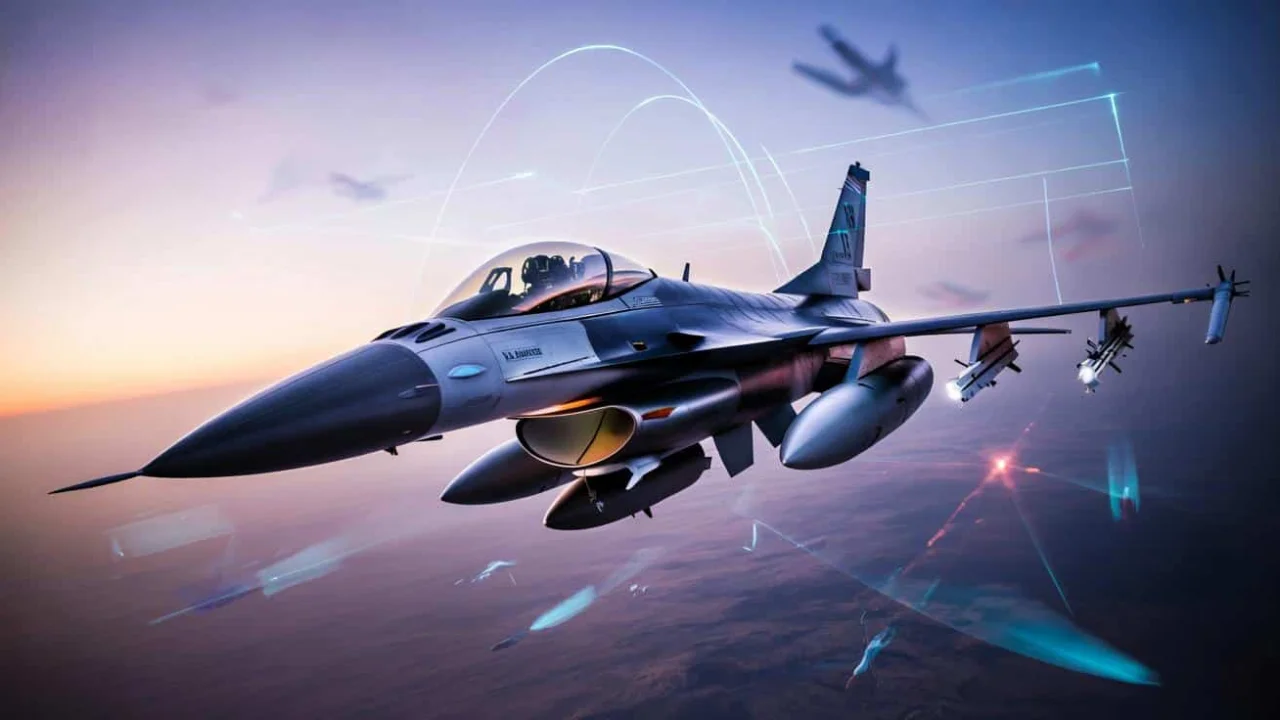
Captain Sarah Chen had thirty seconds to react. Flying her F-16 over contested airspace, warning alarms suddenly screamed through her headset. Enemy surface-to-air missiles were locking onto her aircraft. In that split second, she wasn’t thinking about the complex technology protecting her – she just needed it to work.
This exact scenario plays out in training exercises around the world, where pilots depend on electronic warfare systems to jam enemy radars and deflect incoming threats. For decades, these protective systems have meant the difference between coming home safely or not coming home at all.
Now, a major breakthrough in fighter aircraft protection is moving from the drawing board to reality, promising to keep pilots like Captain Chen safer in increasingly dangerous skies.
Game-Changing Technology Moves Into Production
The L3Harris EW suite, known officially as Viper Shield, has just cleared a critical milestone that defense contractors dream about reaching. The US Air Force has approved the system for low-rate initial production after passing their rigorous Production Readiness Review.
Think of this review as the military’s version of a final exam before graduation. Teams of engineers, quality specialists, and logistics experts scrutinize every component, manufacturing process, and supply chain link. They’re asking one fundamental question: can this system be built consistently and reliably when lives depend on it?
The L3Harris EW suite passed with flying colors. This electronic warfare system is designed specifically for the F-16 Fighting Falcon, one of the world’s most widely used fighter jets with over 4,600 aircraft serving in 25 countries.
“Viper Shield represents the next generation of aircraft survival systems,” explains defense analyst Mike Rodriguez. “It’s not just an upgrade – it’s a complete rethinking of how we protect fighters in modern combat.”
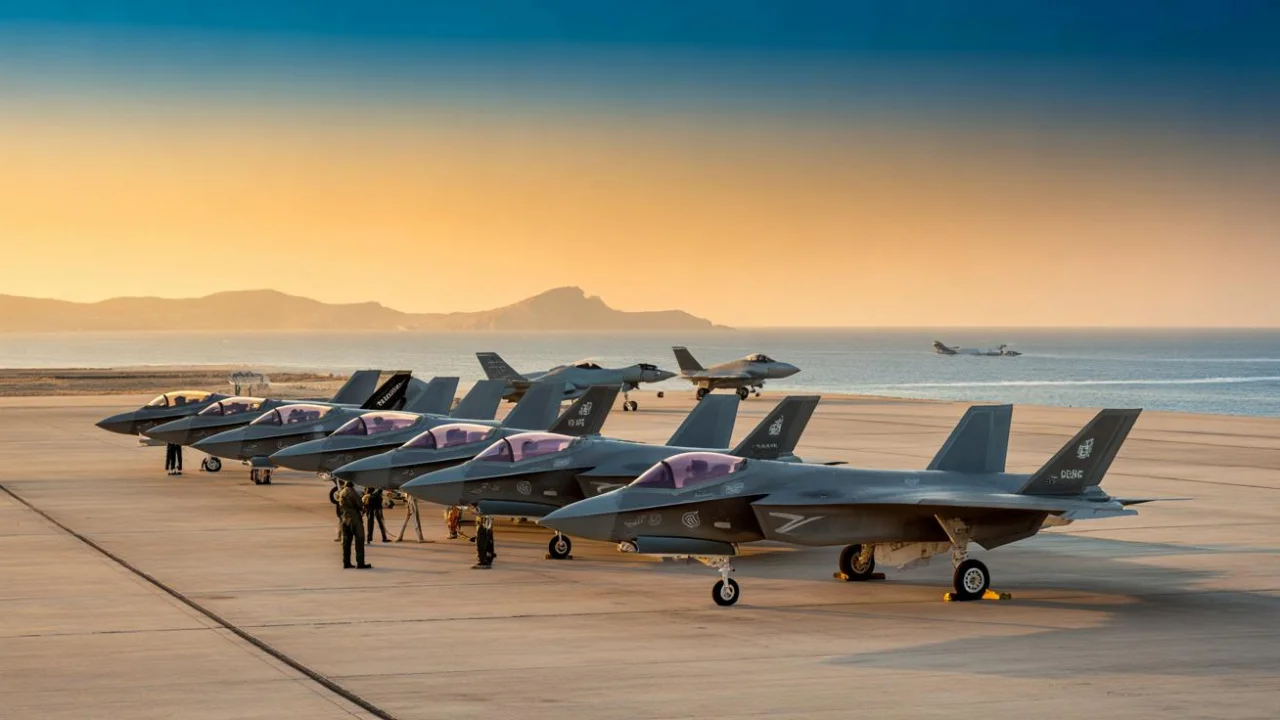
The timing couldn’t be better. As radar technology becomes more sophisticated and hostile nations develop advanced surface-to-air missiles, pilots need every electronic advantage they can get. The L3Harris EW suite provides that edge by jamming enemy radars, confusing incoming missiles, and giving pilots crucial seconds to escape dangerous situations.
Production Details and International Demand
The first production run tells an interesting story about global defense priorities. L3Harris plans to manufacture 219 Viper Shield systems initially, with most units destined for international customers rather than US forces.
Here’s what we know about the production rollout:
| Production Phase | Quantity | Primary Recipients | Timeline |
|---|---|---|---|
| Low-Rate Initial Production | 219 units | Allied air forces | 2024-2025 |
| Full-Rate Production | TBD | US and allied forces | 2026+ |
Several factors are driving international interest in the L3Harris EW suite:
- Aging electronic warfare systems need replacement
- Growing threats from advanced surface-to-air missiles
- Increasing sophistication of enemy radar technology
- Need for better protection in contested airspace
- Integration challenges with existing F-16 variants
“International customers are essentially funding this first production run,” notes aviation expert Jennifer Walsh. “It shows how desperately allied nations need modern electronic warfare capabilities.”
The foreign military sales approach means partner countries are directly investing in the system’s development and production. This model helps reduce costs for everyone involved while ensuring the technology meets diverse operational requirements.
Countries operating F-16s include major US allies like Turkey, Poland, Greece, Israel, and several NATO partners. Many of these nations fly older F-16 variants that desperately need updated electronic warfare protection.
Real-World Impact on Air Operations
The L3Harris EW suite addresses a growing problem that keeps military planners awake at night. Modern battlefields are becoming increasingly electronic, with sophisticated radar networks and missile systems that can track and engage aircraft from hundreds of miles away.
Pilots flying missions today face threats that didn’t exist even a decade ago. Advanced surface-to-air missiles can adjust their guidance systems mid-flight, making traditional countermeasures less effective. Enemy radars are becoming harder to jam and better at tracking multiple targets simultaneously.
“The electronic warfare environment has evolved dramatically,” explains former F-16 pilot Colonel James Patterson. “Systems that worked perfectly in previous conflicts are struggling against current-generation threats.”
The Viper Shield system promises several operational advantages:
- Real-time threat detection and classification
- Automatic countermeasure deployment
- Improved pilot situational awareness
- Better integration with existing aircraft systems
- Enhanced survivability in contested airspace
For air forces operating in regions with sophisticated air defense networks, these capabilities could mean the difference between successful missions and catastrophic losses. The system’s ability to automatically respond to threats also reduces pilot workload during high-stress situations.
Beyond individual aircraft protection, the L3Harris EW suite contributes to broader mission effectiveness. When pilots feel confident in their aircraft’s defensive systems, they can focus more attention on mission objectives rather than constantly worrying about survival.
The production milestone also represents a significant win for US defense manufacturing. L3Harris is creating jobs and maintaining critical electronic warfare expertise that benefits both domestic and international customers.
“This production decision validates years of research and development,” says defense industry analyst Robert Kim. “It proves that American companies can still deliver cutting-edge technology that allied nations want to buy.”
The success of the L3Harris EW suite could influence future electronic warfare development programs. Other aircraft manufacturers are watching closely to see how the F-16 integration proceeds and what lessons can be applied to different platforms.
As the first Viper Shield systems roll off production lines, they’ll undergo final testing and integration with customer aircraft. The real test will come when these systems encounter actual threats in operational environments.
FAQs
What exactly does the L3Harris EW suite do for F-16 fighters?
The Viper Shield system protects F-16s by jamming enemy radars, confusing incoming missiles, and providing pilots with real-time threat information to help them survive in combat.
Why are international customers buying these systems instead of the US Air Force?
Many allied nations operate older F-16 variants that desperately need updated electronic warfare protection, while the US Air Force is focusing on newer aircraft platforms for its immediate needs.
How long does it take to install the L3Harris EW suite on an F-16?
Installation timelines vary depending on the aircraft variant and integration complexity, but the system is designed to retrofit existing F-16s without major structural modifications.
What makes this electronic warfare system different from previous versions?
Viper Shield offers better threat detection, faster response times, and improved integration with modern F-16 systems compared to older electronic warfare suites.
Will the US Air Force eventually use these systems on their own F-16s?
While initial production focuses on international customers, the US Air Force could adopt Viper Shield for its F-16 fleet if operational requirements and budget priorities align.
How much does each L3Harris EW suite cost?
Specific pricing hasn’t been publicly disclosed, but electronic warfare systems for fighter aircraft typically cost several million dollars per unit including installation and training.
About the Author
