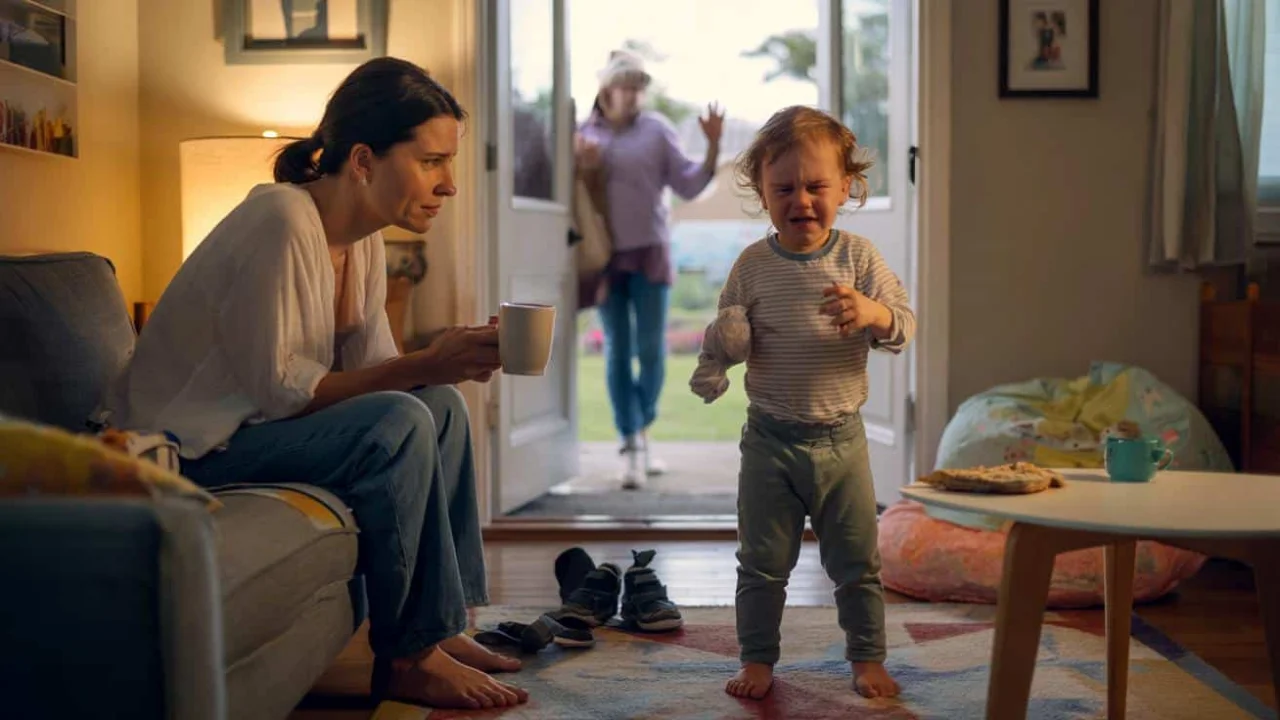
The text message arrives just as you’re scraping dried cereal off the kitchen counter: “Emma was such a delight today! So well-mannered and helpful.” You stare at your phone, then at your daughter who’s currently having a full meltdown because her sandwich is cut diagonally instead of straight across.

Sound familiar? Every parent knows this bewildering phenomenon. Your child transforms into a model citizen the moment they step out your front door, only to return home and unleash their most challenging behavior on you.
It’s enough to make you question everything you thought you knew about parenting. But before you start doubting your skills, there’s actually a fascinating psychological explanation for why kids behave better for other people than they do for you.

The science behind their Jekyll and Hyde act
Your home represents the ultimate safe space for your child. While that sounds wonderful in theory, it creates a perfect storm for behavioral chaos. Children instinctively understand that your love is unconditional, so they feel secure enough to let their guard down completely.
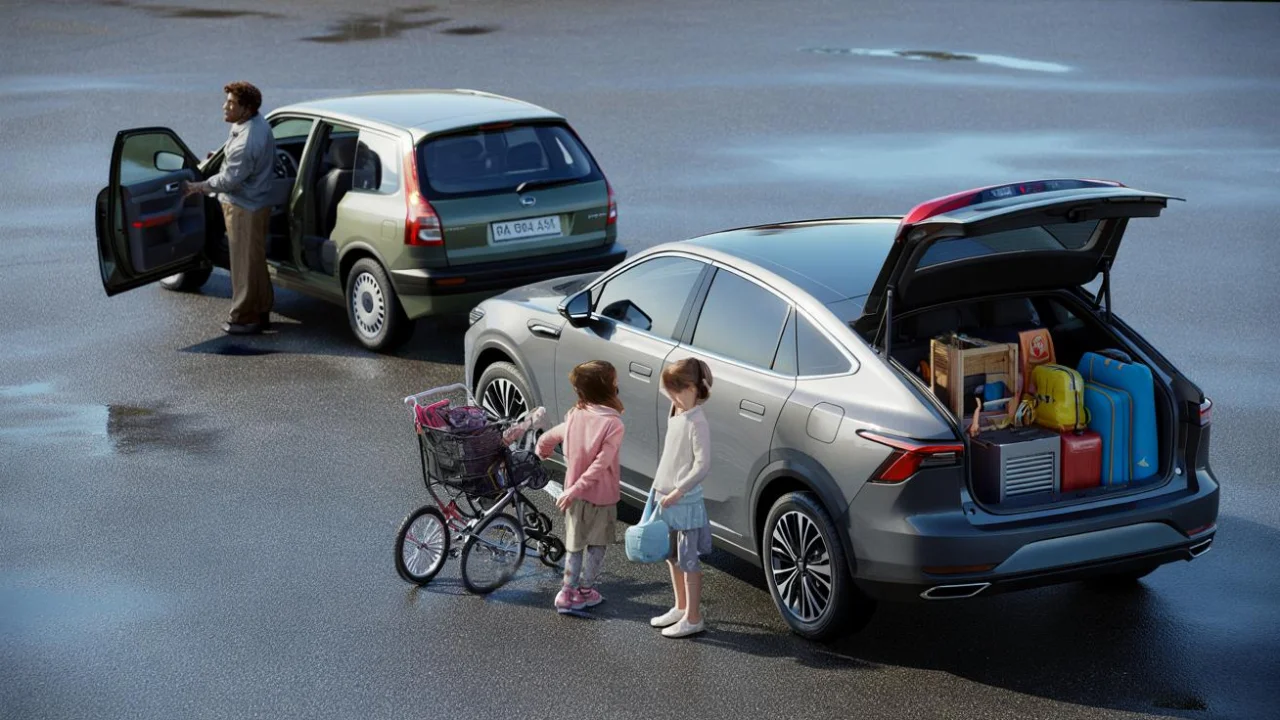
“When kids are with other adults, they’re essentially performing,” explains child psychologist Dr. Sarah Martinez. “They’re working harder to make a good impression and follow social rules. With parents, they can finally exhale and be their most authentic selves.”
This authenticity includes all the big emotions they’ve been holding in throughout the day. The tantrum over triangle toast? That’s likely leftover frustration from earlier social situations where they had to keep it together.
Think of it like wearing your most uncomfortable shoes to work all day. You smile through meetings, walk professionally down hallways, but the moment you get home, those shoes are flying off your feet. Your child’s behavior follows the same pattern.

What triggers the good behavior switch
Several psychological factors work together when kids behave better for other people. Understanding these can help you see the situation from a completely different angle.
The novelty factor plays a huge role. New environments naturally command more attention and better behavior. Your child’s brain is processing unfamiliar surroundings, different rules, and new social dynamics.

- Uncertainty creates natural caution and compliance
- Different authority figures feel more formal and deserve respect
- Social pressure from peers or other children influences behavior
- Limited time together means less opportunity for power struggles
- Fresh energy that hasn’t been depleted by daily routines
“Children have what we call ‘behavioral reserves,'” notes family therapist Dr. Jennifer Park. “They can maintain excellent behavior for limited periods, but eventually, that reserve gets depleted. Parents are usually the ones who see the aftermath.”
The relationship dynamic also shifts dramatically. With teachers, babysitters, or grandparents, your child hasn’t established the same testing boundaries they have with you. They’re still figuring out what they can get away with.
| With Parents | With Others |
|---|---|
| Unconditional love feels secure | Conditional approval must be earned |
| Boundaries are constantly tested | Rules feel more permanent and serious |
| Emotions can be expressed freely | Emotions must be regulated carefully |
| Familiar environment allows relaxation | New environment demands attention |
Why this actually means you’re doing everything right
Here’s the part that might surprise you: when kids behave better for other people, it’s actually a sign of healthy attachment and successful parenting. Your child feels safe enough with you to be their complete, unfiltered self.
This doesn’t mean the difficult behavior should be ignored or excused. Instead, it means you can approach it from a place of understanding rather than frustration.
Consider the emotional labor your child is doing throughout their day. At school, they’re managing social relationships, following multiple rules, concentrating on learning, and navigating various adult expectations. By evening, they’re emotionally exhausted.
“Home becomes the place where children can finally decompress,” explains developmental specialist Dr. Michael Chen. “The challenging behavior isn’t personal—it’s actually a compliment to the secure relationship you’ve built.”
Your child trusts you enough to show you their worst moments because they know you’ll still be there tomorrow. That trust, while exhausting to manage, represents successful bonding.
The key is recognizing that both versions of your child are real. The polite, helpful child at grandma’s house and the defiant, emotional child at home are the same person navigating different social contexts.
Smart parents can use this knowledge strategically. Understanding that your child has limited behavioral reserves helps you plan accordingly. Maybe avoid the grocery store right after school pickup, or build in transition time when moving between activities.
You can also take comfort in those glowing reports from other adults. They’re evidence that your parenting is working. Your child knows how to behave appropriately in social situations because you’ve taught them well.
The challenge isn’t fixing your child’s behavior—it’s supporting them through the natural process of emotional regulation while maintaining appropriate boundaries at home. This balance takes practice, patience, and lots of coffee.
FAQs
Is it normal for kids to act completely different with other people?
Yes, this is completely normal and actually indicates healthy development and secure attachment to parents.
Should I be concerned if my child is always perfect for others but difficult at home?
No, this pattern typically shows your child feels safe expressing their authentic emotions with you, which is positive.
How can I help my child manage their behavior better at home?
Build in decompression time after school, maintain consistent boundaries, and remember they may be emotionally depleted from their day.
Why do teachers never see the challenging behaviors I deal with?
School environments have different structures, peer pressure, and your child hasn’t established the same comfort level with testing boundaries.
Does this behavior pattern change as children get older?
Yes, as children develop better emotional regulation skills and independence, the gap between home and away behavior typically decreases.
Should I tell other adults about my child’s difficult behavior at home?
It’s not necessary unless it helps with consistency, but don’t feel obligated to correct positive feedback about your child’s behavior elsewhere.
About the Author