Sarah Martinez used to start her day with coffee and the morning news. But lately, she finds herself scrolling through headlines with a knot in her stomach, wondering what’s actually true. “I don’t know who to believe anymore,” the Denver teacher admits. “Every story feels like it has an agenda.”

She’s not alone in feeling this way. Across kitchen tables and office break rooms, Americans are grappling with a crisis that extends far beyond politics—a fundamental breakdown in trust between the public and the journalists who are supposed to serve them.
A new study from the Pew Research Center has put hard numbers to what many people already suspected: most Americans simply don’t trust journalists to act in their best interests anymore.
The Trust Crisis Is Bigger Than You Think
The latest Pew Research findings paint a stark picture of journalist confidence in America. Conducted in December 2025, the survey reveals that 57% of U.S. adults express low confidence in journalists—a majority that crosses party lines and demographic groups.
What makes these numbers particularly striking is how they break down. Among those who distrust journalists, 40% say they have “not too much” confidence, while 17% say they have none at all. Only 43% of Americans maintain a great deal or fair amount of confidence in journalists.
“We’re seeing a fundamental shift in how Americans view the press,” explains Dr. Maria Rodriguez, a media studies professor at Northwestern University. “This isn’t just about political disagreements—it’s about whether people believe journalists are working for the public good.”
The decline in journalist confidence puts news organizations in the same category as other institutions that have seen public trust erode over recent years. However, journalists rank lower than the military, scientists, and even police in terms of public confidence.
The Numbers Tell a Complicated Story
When you dig deeper into the Pew data, the partisan divide becomes impossible to ignore—but it’s not the only story worth telling.
| Group | High Confidence | Low Confidence |
|---|---|---|
| Democrats/Dem-leaning | 61% | 39% |
| Republicans/GOP-leaning | 25% | 75% |
| Overall Public | 43% | 57% |
The partisan gap is enormous—36 percentage points separate Democrats and Republicans on journalist confidence. Yet even among Democrats, nearly 4 in 10 Americans express doubts about whether journalists act in the public’s best interests.

“The trust crisis isn’t just a conservative phenomenon,” notes journalism researcher James Chen. “We’re seeing skepticism across the political spectrum, which suggests the problems run deeper than partisan politics.”
Focus groups conducted alongside the survey revealed several common concerns:
- Difficulty determining which news sources are trustworthy
- Frustration with sensationalized or clickbait headlines
- Concerns about financial pressures affecting news coverage
- Feeling overwhelmed by the volume of conflicting information
- Perception that journalists pursue stories for personal gain rather than public service
What This Means for Your Daily Life
The erosion of journalist confidence isn’t just an abstract problem—it affects how Americans make decisions about everything from their health to their votes.
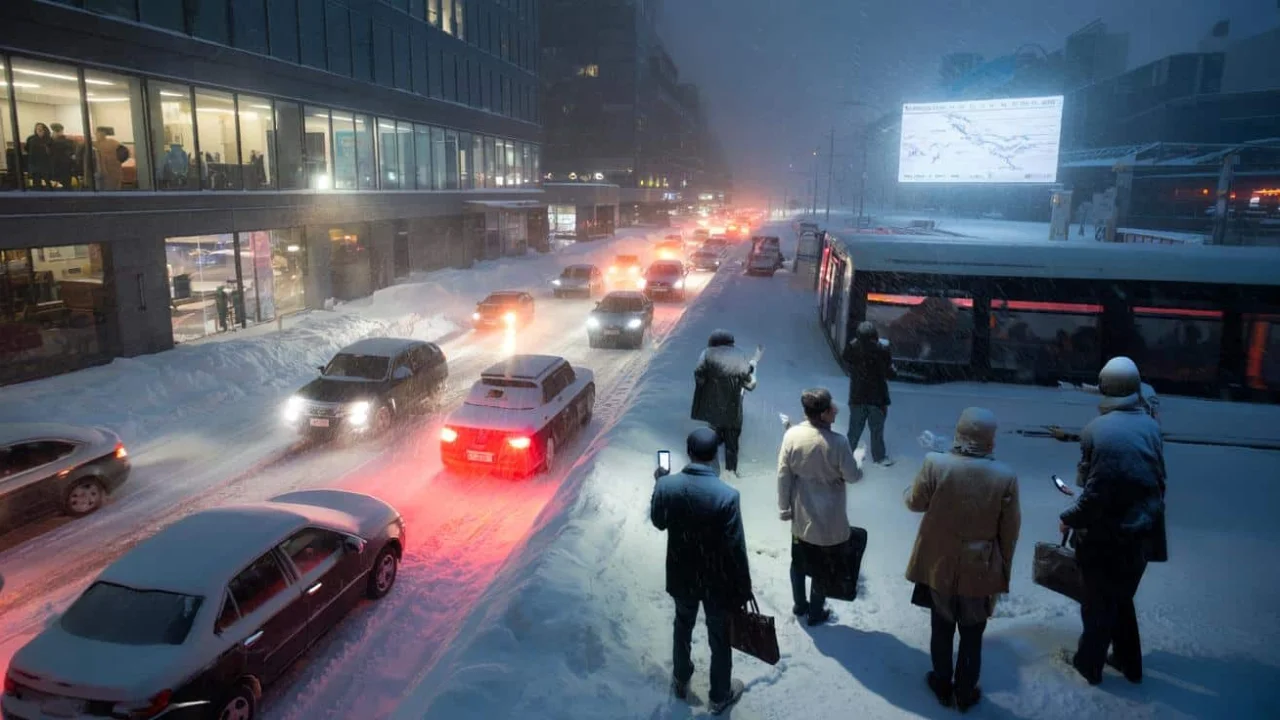
Consider what happens during a local crisis. When a water main breaks or severe weather threatens your community, you rely on journalists to provide accurate, timely information. But if you don’t trust the messenger, you might miss critical safety updates or turn to unreliable sources instead.
“Trust in journalism is really trust in our democratic institutions,” explains Sarah Williams, director of the Center for Media Ethics. “When people lose confidence in journalists, they lose access to the shared set of facts that democracy requires.”
The ripple effects are already visible in communities across the country. Local newspapers have closed at an alarming rate, partly because declining trust translates to fewer subscriptions and less advertising revenue. This creates a vicious cycle—less local journalism leads to less accountability, which can further erode public trust.
Meanwhile, many Americans are adapting by creating their own information bubbles. They’re relying on a small number of sources they trust, often selected based on confirmation bias rather than journalistic quality. Others are simply tuning out news altogether, choosing ignorance over confusion.
The Path Forward Isn’t Simple
Rebuilding journalist confidence won’t happen overnight, and it will require effort from both news organizations and the public.
Some newsrooms are already experimenting with solutions. They’re being more transparent about their reporting processes, publishing their methodology alongside investigative pieces, and engaging directly with readers through Q&A sessions and community forums.
“We have to earn trust back one story at a time,” says veteran journalist Michael Thompson. “That means being more transparent about our work, acknowledging our mistakes, and showing people that we’re genuinely trying to serve them, not our own interests.”
The public also has a role to play. Media literacy education can help people better evaluate news sources and understand how journalism actually works. Supporting quality local journalism through subscriptions or donations helps ensure that communities have access to professional reporting.
But perhaps most importantly, Americans need to have honest conversations about what they want from their news media. The current system clearly isn’t meeting many people’s needs, and figuring out how to fix it will require input from both journalists and the communities they serve.
FAQs
Why do Americans have such low confidence in journalists?
The reasons are complex, ranging from partisan politics to concerns about sensationalized coverage and financial pressures on news organizations.
Is the trust gap between political parties getting worse?
Actually, the Pew study suggests the partisan divide has narrowed slightly since 2020, though it remains substantial.
How does American trust in journalists compare to other countries?
While this study focuses on the U.S., international surveys generally show Americans have lower trust in news media compared to citizens in many other developed democracies.
What can individual readers do to find trustworthy news?
Look for news organizations with transparent editorial policies, diverse funding sources, and clear corrections policies. Cross-reference important stories across multiple reputable sources.
Are younger Americans more or less trusting of journalists?
The Pew study doesn’t break down results by age, but previous research suggests younger Americans often have different news consumption habits that may affect their trust levels.
Could this lack of trust actually be dangerous for democracy?
Many experts believe so, as shared access to reliable information is considered essential for democratic decision-making and civic participation.
About the Author