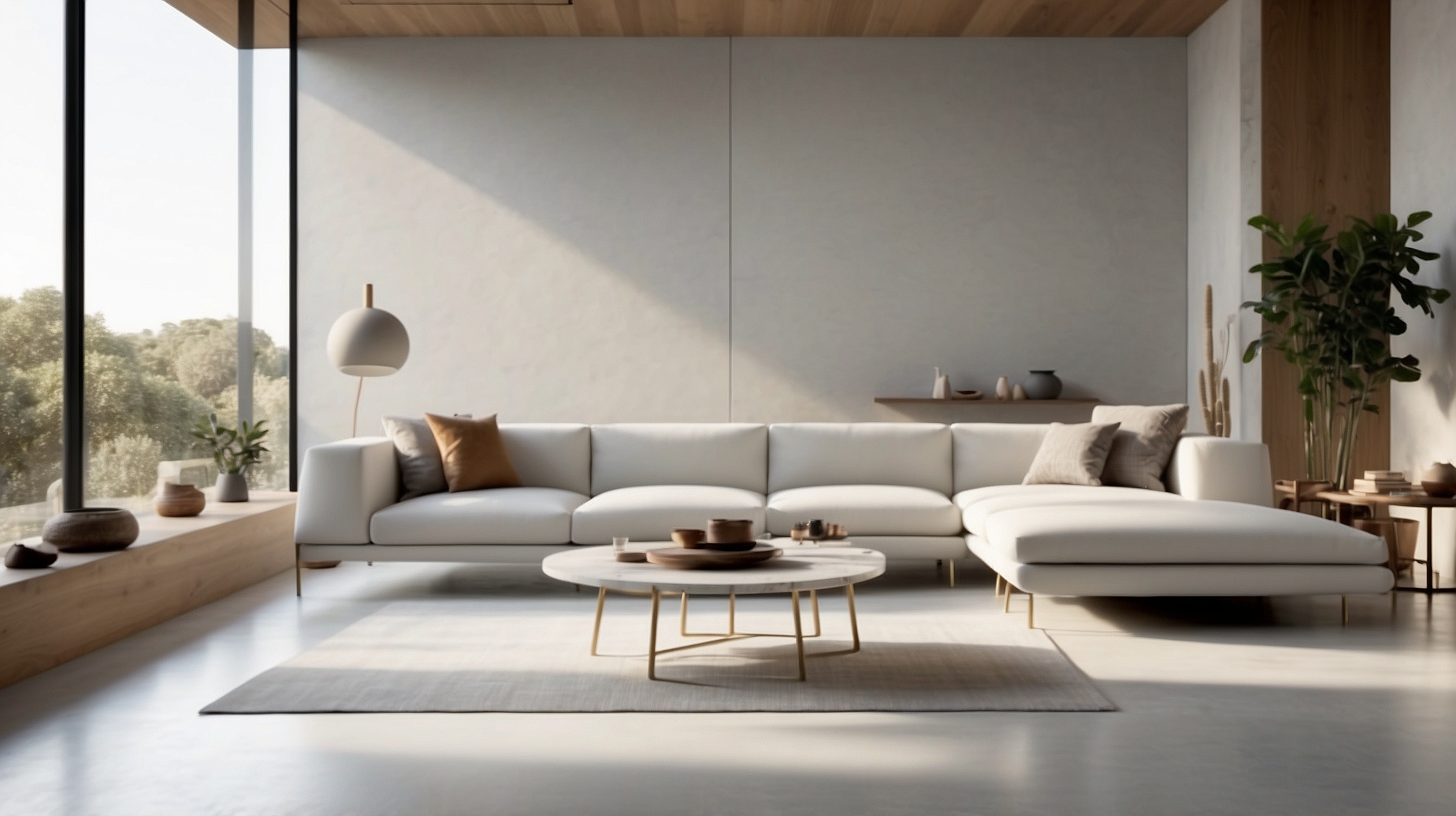
For more than a decade, **microcement** has been a defining material of modern minimalist interiors. Its sleek, seamless, and industrial finish gained popularity among designers looking for durable and flexible alternatives to traditional tiles or wooden floors. From bathrooms to kitchen countertops and even statement walls, microcement seemed to be everywhere. But as design tastes evolve and sustainable practices become more mainstream, a new wave of materials is stepping into the spotlight — nudging microcement gradually into the background.
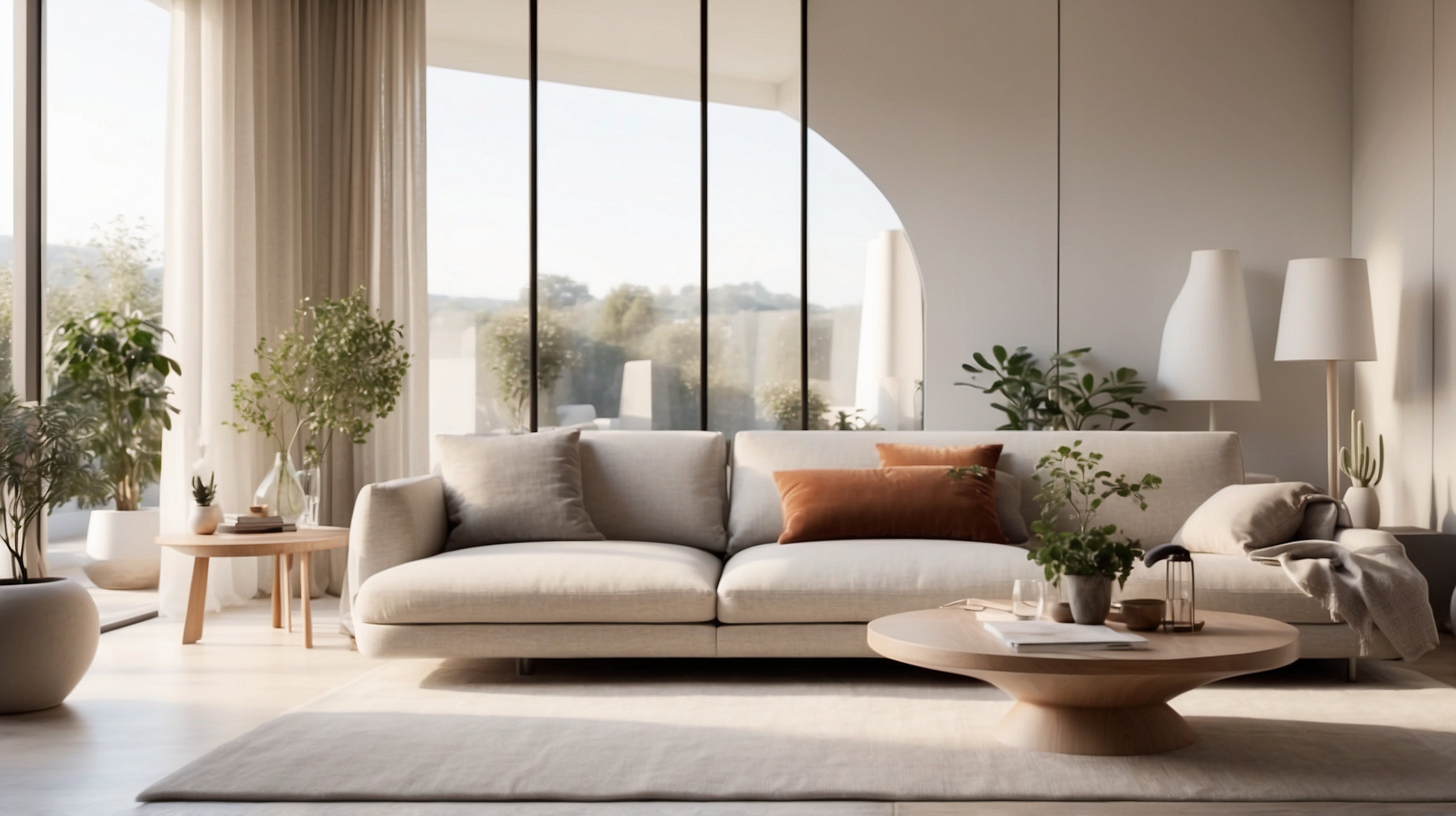
More homeowners and designers are now embracing **earthy, tactile finishes** that offer both aesthetic warmth and environmental consideration. “Raw authenticity” is the new buzzword in luxury interiors, pushing forward materials that connect us with nature, celebrate craftsmanship, and age gracefully. This shift poses a critical question for industry professionals and renovation enthusiasts alike: is microcement falling out of favor, and what material is rising to take its place?
Overview of the design shift
| Aspect | Microcement | Emerging Alternative |
|---|---|---|
| Aesthetic | Sleek, industrial, cool-toned | Textured, organic, warm-toned |
| Common Use | Floors, walls, countertops | Walls, furnishings, built-in features |
| Sustainability | Moderate; requires sealants | High; often natural and biodegradable |
| Application Skill | Professional | Varies; some DIY-friendly |
| Trend Direction | Declining | Rising |
Why microcement dominated modern interiors
Microcement surged into popularity due to its **versatility** and clean finish. Interior designers loved its ability to create continuous surfaces without grout lines. Its waterproof properties made it a go-to for high-moisture areas like bathrooms and wet rooms. Moreover, the muted color palette harmonized well with Scandinavian and contemporary aesthetics, lending elegance to minimalistic designs.

However, microcement comes with its challenges. If not applied meticulously, it can crack over time. It also requires skilled labor and multiple layers of sealing to ensure longevity. These practical drawbacks, coupled with changing tastes, have prompted many to reconsider its long-term appeal.
What changed this year in material preferences
2024 has seen a **resurgence of natural materials** that embody imperfection, tactility, and warmth. Polished surfaces are being replaced with matte and porous finishes. According to leading design studios, consumers are now drawn to interiors that feel lived-in rather than showroom-perfect. Microcement, with its ultra-precise finish, doesn’t always fit into this narrative.

Clients are asking for spaces that feel more natural and personal. Textured lime plasters and pigmented clays are suddenly in demand again.
— Elena Varga, Interior Architect

Social media platforms and renovation influencers have also played a role by showcasing alternative materials that offer a more organic texture. These materials photograph well but also resonate emotionally with homeowners seeking sanctuary and warmth after several years of global uncertainty.
The natural material winning designers’ attention
Leading the charge is **lime-based plaster** — long used in European architecture, now reimagined for modern interiors. Limewash and clay plasters are gaining traction for their breathable, antimicrobial, and sustainable properties. Their application results in a subtle movement of color and texture that microcement simply can’t replicate.

Designers are increasingly favoring **tadelakt**, a Moroccan plaster that shares some similarities with microcement in terms of water resistance but offers a more organic, stone-like appearance. Unlike microcement, these alternatives are celebrated for their *imperfections*. Variations in hue and surface depth work in their favor, adding an extra layer of natural detail to walls and ceilings.
Tadelakt has a durability similar to microcement but exudes a much warmer and more artisanal atmosphere. Clients love its soft, textured finish.
— Carlo Menzi, Materials Consultant
Sustainability is redefining material choice
Eco-conscious consumers are scrutinizing not only the aesthetics but also the **environmental impact** of their design choices. Microcement typically relies on acrylic-based sealers and epoxy layers that may emit volatile organic compounds (VOCs) during application. Though considered safer than many industrial finishes, it falls short when compared to clay-based plasters, which are **completely natural and biodegradable**.
As sustainability becomes more than a trend, people want materials that align with low-impact living — and microcement doesn’t always tick that box.
— Freya Bianchi, Sustainable Design Advocate
Furthermore, many emerging materials now come from local sources, reducing carbon emissions tied to transportation and manufacturing. This localization supports smaller, artisanal producers and reconnects homeowners with regional design heritage.
Winners and losers of this design transformation
| Winners | Losers |
|---|---|
| Lime plaster | Microcement |
| Tadelakt | Acrylic-based sealers |
| Clay-based wall finishes | Synthetic polymers in interiors |
| Textured, handmade effects | Sleek, perfect finishes |
How the DIY movement is influencing design trends
With rising interest in **DIY renovations**, many homeowners are rethinking complex applications like microcement, which often require professional contractors, costlier materials, and meticulous climate conditions to cure properly. This limitation creates more demand for materials that allow personalization without specialized skillsets.
Products such as **pigmented clay paint** and **pre-blended limewash kits** are now available with user-friendly instructions, boosting the adoption of hand-applied finishes that embrace imperfection. These accessible alternatives have widened the design language for home renovators and weekend warriors alike.
What to consider before replacing microcement
If you’re renovating or building anew, consider how each space will **function** before choosing one surface over another. While lime plaster excels on vertical surfaces, it doesn’t offer the abrasion resistance of microcement on floors. In wet areas like showers or exterior pavements, tadelakt remains a reliable alternative but requires periodic maintenance due to its natural porosity.
It’s also important to weigh **cost and lifespan**. Certain natural materials may slightly exceed microcement in price per square meter but can add more value aesthetically and ethically. Plus, the ability to repaint, patch, or adjust these materials with minimal environmental upheaval makes them ideal for longevity-minded homeowners.
Final thoughts from the design community
As we move deeper into an era defined by conscious consumption and authentic living, the design industry is clearly pivoting from synthetic sleekness toward **textured integrity**. Microcement isn’t going extinct—but it’s becoming more niche than mainstream.
If minimalism defined the last decade, then raw naturalism is defining this one.
— Javier Cortés, Residential Interior Designer
The verdict is clear: materials that breathe, evolve, and connect us to something more visceral are taking center stage. For those embarking on a new project, now’s the time to explore the alternatives that speak not just to style, but to soul.
Frequently Asked Questions
Is microcement still a good option for modern homes?
Yes, but it’s becoming less preferred for aesthetic reasons. It remains durable and waterproof, making it functional for specific areas.
What is replacing microcement in current design trends?
Lime plaster, tadelakt, and clay-based finishes are increasingly favored for their organic look, breathability, and sustainability.
Can tadelakt be used in wet areas like showers?
Yes, tadelakt is waterproof once sealed correctly, making it ideal for bathrooms, although it requires maintenance over time.
Is limewash DIY-friendly?
Yes, many modern limewash products come with straightforward instructions and can be applied by homeowners with basic tools.
What’s the biggest downside of microcement?
Its tendency to crack if not applied professionally, along with environmental concerns due to synthetic sealers.
Is clay plaster durable for high-traffic areas?
Clay plaster is best for walls and decorative finishes. It’s not suitable for floors or abrasive surfaces.
How long do natural plaster finishes last?
When well-maintained, natural plasters can last decades. They’re also easy to refresh and patch without costly overhauls.
Are natural wall texts more expensive than microcement?
They can be, depending on the artisan and surface area. However, the tactile and sustainable benefits often outweigh the cost.
About the Author