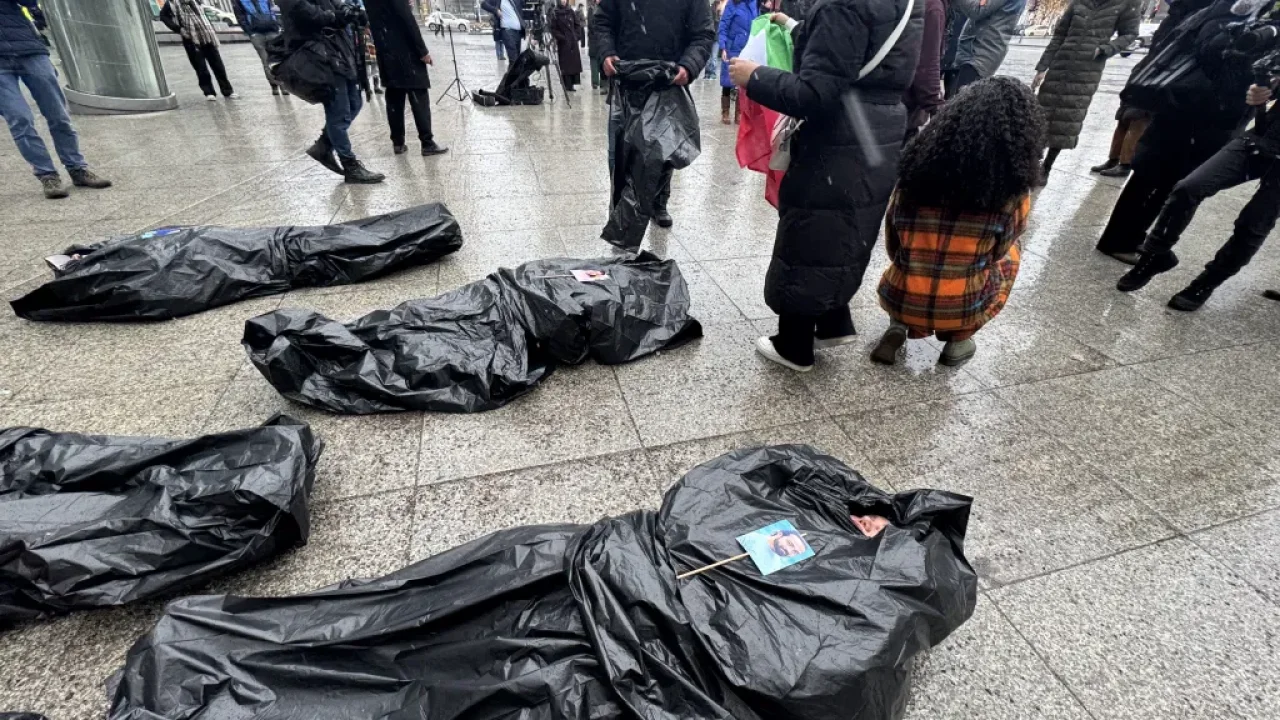
When filmmaker Sahra Karimi received the news last month, her hands trembled as she scrolled through the WhatsApp message. Another name had been added to a list she wished never existed—a young Iranian cinematographer who’d been detained for simply documenting life in Tehran during the protests. The message came from colleagues working with the Iranian Independent Film Makers Association (IIFMA), who have been quietly compiling what has become a heartbreaking registry of their country’s silenced creative voices.

Karimi, now living in exile herself, knows the weight of each name on that growing list. “Every artist we lose is a story that will never be told,” she says from her temporary home in Berlin. “These aren’t just statistics—they’re the people who were supposed to be Iran’s creative future.”
What started as informal check-ins among worried colleagues has evolved into something far more sobering: a comprehensive documentation of Iranian film artists persecution that the international community can no longer ignore.
The Hidden Crisis Facing Iran’s Creative Community
The Iranian Independent Film Makers Association has taken on the painful task of cataloging the fate of the country’s artistic community since the nationwide protests began. Working from Berlin and other international locations, IIFMA members have been reaching out to contacts inside Iran, verifying information, and maintaining what has become both a memorial and a call for action.
“We never imagined we’d be doing this kind of work,” explains a senior IIFMA member who requested anonymity for safety reasons. “We went from organizing film festivals to documenting who among us is still alive.”
The organization’s efforts have revealed a systematic targeting of creative professionals that goes beyond the headlines. While international media has covered high-profile cases, the reality on the ground involves hundreds of lesser-known artists, technicians, and cultural workers who have faced imprisonment, harassment, or worse for their involvement in the arts.
The persecution extends across all areas of creative expression, from independent filmmakers and documentary creators to musicians, actors, and even technical crew members who worked on projects deemed politically sensitive by authorities.
Breaking Down the Numbers: Who’s Been Affected
The data compiled by IIFMA presents a stark picture of the scope of Iranian film artists persecution. The organization has been methodical in its approach, cross-referencing information from multiple sources and only including verified cases in their official count.
| Category | Confirmed Deaths | Currently Detained | Missing/Status Unknown |
|---|---|---|---|
| Directors & Producers | 7 | 23 | 15 |
| Musicians & Composers | 12 | 41 | 28 |
| Actors & Performers | 4 | 18 | 22 |
| Technical Crew | 3 | 16 | 19 |
| Writers & Critics | 5 | 14 | 11 |
The most affected groups include:
- Documentary filmmakers who covered social issues or protest movements
- Musicians who performed at pro-democracy gatherings or wrote protest songs
- Actors who publicly supported demonstrators on social media
- Film crew members who worked on banned or controversial projects
- Critics and journalists who wrote about censorship in Iranian cinema
- Festival organizers who showcased international or politically sensitive films
“The targeting isn’t random,” notes Dr. Azadeh Moaveni, a Middle East analyst. “There’s a clear pattern of going after anyone who used their artistic platform to express dissent or even basic human values that the regime sees as threatening.”
The Ripple Effects Beyond Iran’s Borders
The impact of this systematic suppression extends far beyond Iran’s borders. International film festivals, production companies, and cultural institutions have found themselves grappling with how to respond to the crisis while supporting affected artists.
Berlin’s film community has become a particular hub for Iranian artists in exile, many of whom arrived with nothing more than the clothes on their backs and fragments of unfinished projects. The city’s European Film Market has seen an influx of Iranian filmmakers seeking not just commercial opportunities, but basic survival support.
“We’re seeing talented artists showing up at our offices with half-completed films on hard drives they smuggled out,” says Marcus Weber, a Berlin-based film distributor. “They’re asking not just for distribution deals, but for help finding their colleagues who didn’t make it out.”
The creative brain drain has been devastating for Iran’s once-vibrant film industry. Projects have been abandoned mid-production, festivals canceled, and an entire generation of emerging talent has been scattered across the globe or silenced entirely.
International collaborations that once brought Iranian cinema global recognition have ground to a halt. Co-production agreements sit unsigned, and established directors who once premiered at Cannes now struggle to communicate with their teams back home.
What This Means for Iranian Cinema’s Future
The long-term implications for Iranian cinema are profound. The country that gave the world acclaimed directors like Abbas Kiarostami and Asghar Farhadi now faces the possibility of losing an entire generation of creative voices.
“Iranian cinema didn’t just contribute beautiful films to the world—it offered a unique perspective on humanity,” explains film historian Dr. Sarah Montazeri. “When you silence these voices, you’re not just hurting Iran, you’re impoverishing global culture.”
IIFMA’s documentation efforts have become more than just record-keeping. They’re creating a historical archive that may one day serve as evidence in international courts, while also preserving the memory of artists whose work might otherwise be forgotten.
The organization has also launched support programs for artists in exile, helping them continue their creative work despite displacement and trauma. These efforts include emergency funding, equipment sharing, and connections with international festivals willing to showcase Iranian work in exile.
Looking ahead, the question becomes whether Iran’s creative community can survive this systematic assault on artistic expression. The answer may depend partly on how effectively groups like IIFMA can maintain international attention on Iranian film artists persecution and create sustainable support systems for those who’ve lost everything in pursuit of creative freedom.
FAQs
What is the Iranian Independent Film Makers Association (IIFMA)?
IIFMA is an organization of Iranian filmmakers and industry professionals, many now operating from exile, who work to support independent cinema and document persecution of artists in Iran.
How does IIFMA verify the information in their lists?
The organization cross-references information from multiple sources inside and outside Iran, including family members, colleagues, and human rights organizations before confirming cases.
Can artists still make films in Iran?
While some state-approved productions continue, independent filmmaking has become extremely dangerous, with many artists facing arrest for creating unauthorized content.
How can people support affected Iranian artists?
International film festivals, cultural organizations, and individuals can support emergency funds for artists in exile and help amplify awareness of their situation.
What happens to unfinished Iranian films?
Many projects remain incomplete due to detained directors, scattered crews, or destroyed equipment, though some artists attempt to finish work from exile when possible.
Are other artistic communities in Iran similarly affected?
Yes, the persecution extends across all creative fields including literature, theater, visual arts, and journalism, with similar patterns of detention and harassment.
About the Author