Maryam sits in her small Tehran apartment, staring at the electricity bill that arrived this morning. The numbers don’t make sense anymore. What used to cost her family 50,000 rials now demands nearly 200,000. Her husband’s salary hasn’t budged, but everything else keeps climbing higher.
She’s not alone. Millions of Iranian families face the same impossible math every day, caught between a government under siege and international sanctions that squeeze tighter each month. But today, something shifted in the political winds that might just change everything.
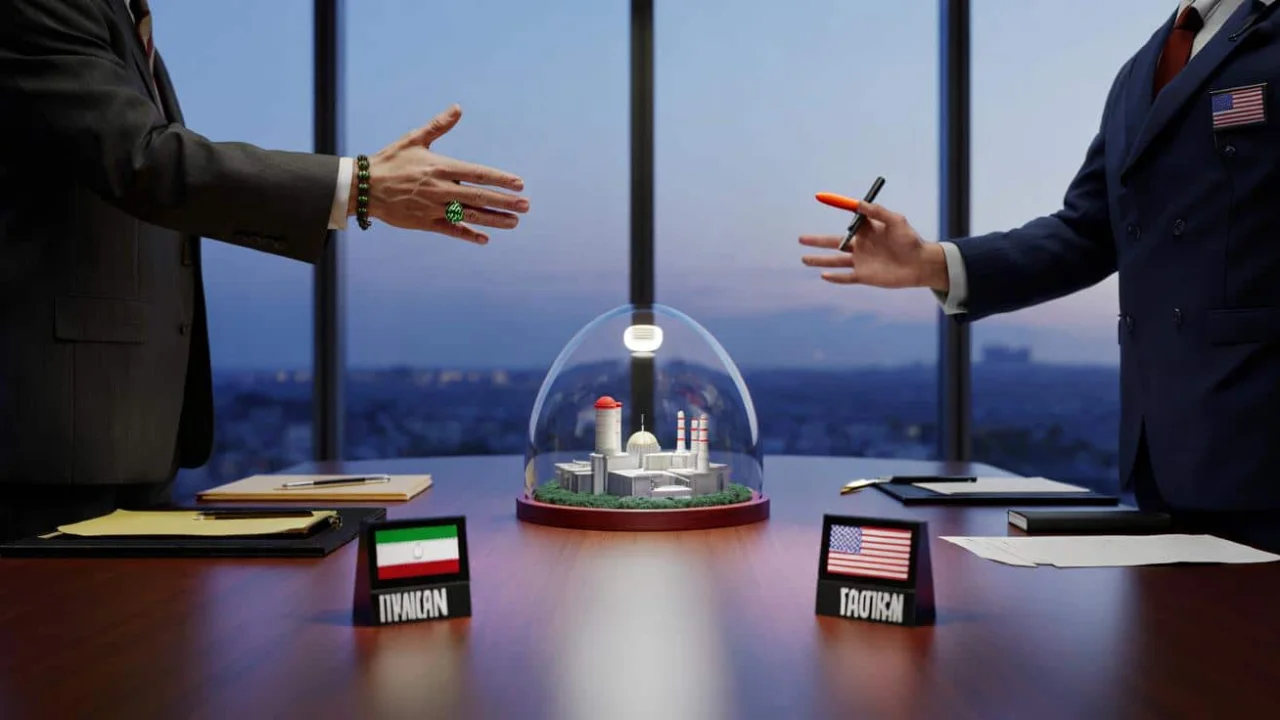
For the first time in years, Iran has agreed to sit down directly with the United States for nuclear negotiations. No more back-channel diplomacy through European allies or regional mediators. This time, it’s face-to-face talks that could either defuse one of the world’s most dangerous standoffs or blow up spectacularly.
Why Iran Finally Said Yes to Direct Talks
The timing tells the whole story. Iran’s government is facing its worst domestic crisis in decades. Street protests have shaken the regime’s confidence, while economic sanctions have pushed ordinary families to their breaking point.
President Masoud Pezeshkian didn’t have many cards left to play. Authorizing Foreign Minister Abbas Araghchi to enter direct Iran nuclear negotiations with Washington represents a major gamble. It’s either a desperate move or a calculated risk that could pay off big.

“Iran has tasked Foreign Minister Abbas Araghchi with preparing direct talks with the United States on the future of its nuclear programme,” confirmed diplomatic sources close to the discussions.
The Iranian president made his position clear on social media, insisting any talks must be “fair” and guided by “dignity, prudence and opportunity.” Translation: Iran wants sanctions lifted and security guarantees before it agrees to serious nuclear restrictions.
But here’s what makes this moment different from previous attempts. Iran is negotiating from a position of weakness, not strength. The regime knows it needs relief from international pressure more than ever.
What’s Actually at Stake in These Nuclear Talks
Let’s break down exactly what both sides bring to the negotiating table. The stakes couldn’t be higher for either country.

| Iran’s Position | US Position |
|---|---|
| Demands immediate sanctions relief | Wants verifiable nuclear restrictions first |
| Seeks security guarantees from attacks | Insists on permanent monitoring access |
| Claims right to peaceful nuclear energy | Demands limits on uranium enrichment |
| Wants unfrozen assets returned | Links progress to regional behavior |
The nuclear program itself has become Iran’s biggest bargaining chip. Over the past few years, Tehran has steadily increased its uranium enrichment levels, moving closer to weapons-grade material. That escalation was deliberate – designed to force exactly these kinds of direct negotiations.
Here’s what Iran nuclear negotiations could potentially address:
- Rolling back uranium enrichment to acceptable levels
- Allowing international inspectors full access to nuclear facilities
- Dismantling advanced centrifuge programs
- Establishing permanent monitoring systems
- Creating verification mechanisms for compliance
“The window for diplomacy remains open, but it won’t stay that way forever,” warns Middle East analyst Sarah Chen. “Both sides need to move quickly before hardliners in either country torpedo the process.”
The technical details matter enormously. Iran currently enriches uranium to about 60% purity – dangerously close to the 90% needed for nuclear weapons. Any deal would likely require rolling that back to 3.67%, the level needed for civilian power generation.
How This Affects Regular People Around the World
If you think Iran nuclear negotiations only matter to diplomats and politicians, think again. The ripple effects touch lives across the globe in ways most people never consider.
Energy markets react instantly to Middle East tensions. Oil prices spike whenever war seems possible between Iran and its neighbors. That means higher gas prices at your local station and increased costs for everything shipped by truck or plane.
Regional stability hangs in the balance too. Iran backs militant groups across the Middle East, from Hezbollah in Lebanon to Houthi rebels in Yemen. Success in nuclear talks could reduce Iran’s need to project power through proxy warfare.
“Every family filling up their car feels the impact of Middle East tensions,” explains energy economist David Rodriguez. “Successful diplomacy literally saves money at the pump.”
For Iranian families like Maryam’s, the stakes are even more personal. Sanctions relief could bring:
- Lower inflation on basic goods and services
- Job creation as international businesses return
- Better access to medical supplies and equipment
- Improved technology imports for education and communication
But failure carries serious risks too. Military conflict would devastate Iran’s economy completely while potentially dragging other countries into a regional war.
The human cost of continued sanctions shows up in heartbreaking ways. Iranian patients struggle to access life-saving medications. Students can’t participate in international exchange programs. Small businesses collapse under the weight of banking restrictions.
“We’re talking about real people with real problems who just want to live normal lives,” notes humanitarian advocate Lisa Park. “Diplomacy offers the only path forward that doesn’t involve tremendous suffering.”
The next few months will determine whether Iran nuclear negotiations produce genuine progress or simply create another false hope. Both governments face enormous domestic pressure to show results quickly.
For families on both sides of this standoff, the waiting continues. Maryam still struggles with that electricity bill, but now there’s at least a chance that direct talks might eventually make life more affordable. Whether that hope turns into reality depends on negotiators who understand that failure isn’t just a political setback – it’s a human tragedy.
FAQs
Why did Iran agree to direct nuclear negotiations now?
Iran faces severe domestic protests and economic pressure from sanctions, forcing the government to seek diplomatic solutions to reduce international pressure.
What does Iran want from these talks?
Iran seeks immediate sanctions relief, security guarantees, and the return of frozen assets in exchange for nuclear restrictions.
How close is Iran to having nuclear weapons?
Iran enriches uranium to 60% purity, which is close to the 90% needed for weapons, but building actual nuclear weapons would require additional steps and time.
Could these negotiations actually succeed?
Success depends on both sides making significant compromises quickly, before domestic opposition in either country derails the process.
How do Iran nuclear negotiations affect global oil prices?
Middle East tensions typically drive oil prices higher, while successful diplomacy and regional stability tend to lower energy costs worldwide.
What happens if the talks fail?
Failure could lead to increased sanctions, potential military action, and greater regional instability that affects global markets and security.
About the Author