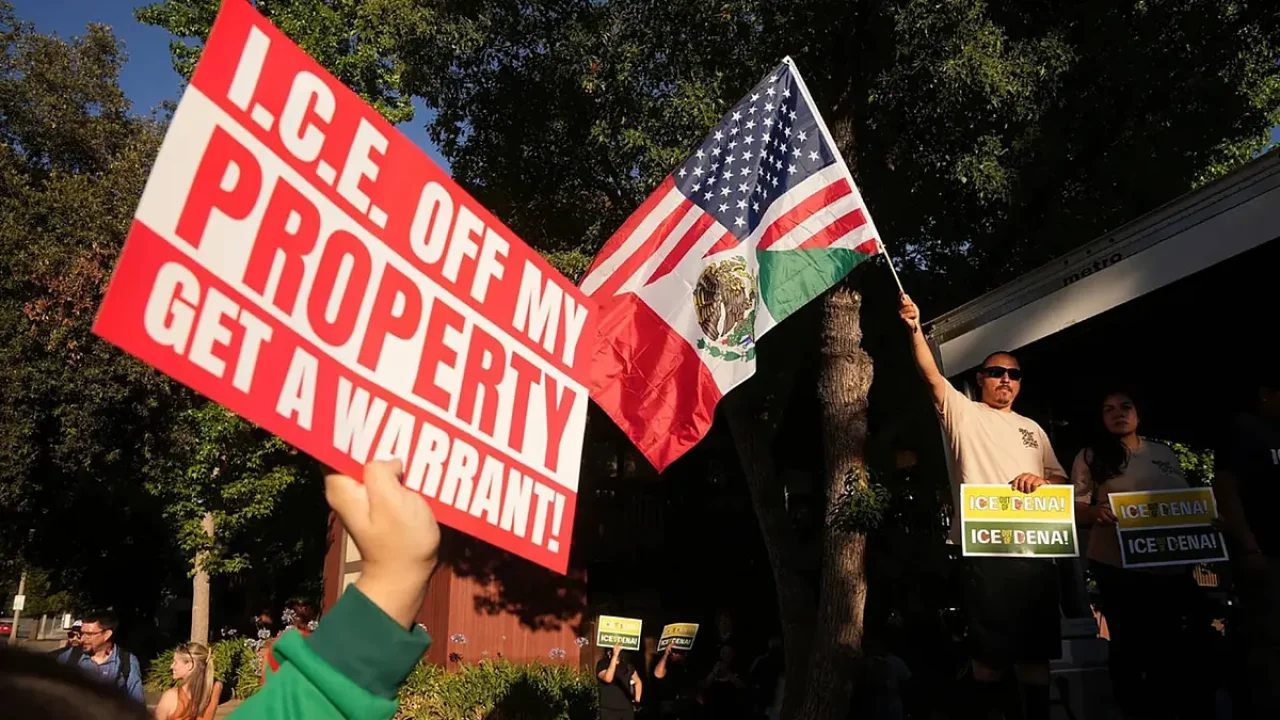
Maria Rodriguez watched her restaurant’s lunch crowd dwindle to just three tables on a Tuesday afternoon. The same spot that used to buzz with construction workers grabbing quick bites and families celebrating birthdays now felt eerily quiet. After ICE conducted operations in her neighborhood last month, many of her regular customers simply stopped coming. Some moved away, others were too afraid to venture out, and several of her part-time employees never returned to work.

She’s not alone. Across Illinois, small business owners like Maria are discovering that immigration enforcement actions create ripple effects that extend far beyond the individuals directly targeted. When communities feel unsafe, local economies suffer, and hardworking business owners find themselves caught in the crossfire through no fault of their own.
That’s exactly why Illinois has stepped up with a lifeline. The state is now offering financial support of up to $5,000 to workers and business owners who can demonstrate that ICE operations have hurt their bottom line.

Illinois Steps Up with the Resilient Communities Program
The Illinois Hispanic Chamber of Commerce has launched the Resilient Communities program, a targeted initiative designed to help small businesses recover from the economic fallout of immigration enforcement activities. This isn’t just about politics – it’s about real people trying to keep their doors open and their employees paid.
“We’re seeing businesses that have been community anchors for decades suddenly struggling because their customer base has been disrupted,” explains a Chamber spokesperson. “This program recognizes that when immigration enforcement happens, the economic impact spreads throughout entire neighborhoods.”

The program offers micro-grants ranging from $1,500 to $5,000, specifically targeting establishments that can document losses stemming from ICE operations that occurred from September 2025 onward. While that might seem like a modest amount, for a small family restaurant or corner market, it could mean the difference between staying open and closing permanently.
The timing matters too. Many businesses affected by immigration enforcement often see immediate drops in foot traffic, followed by sustained periods of reduced revenue as community members remain cautious about returning to their normal routines.

What You Need to Qualify for Illinois ICE Worker Support
Getting access to this Illinois ICE worker support isn’t automatic – there are specific requirements you’ll need to meet. The program focuses on small, established businesses that can prove they’ve been genuinely impacted by immigration enforcement actions.
| Requirement | Details |
|---|---|
| Business Track Record | Must have operated for at least 2 years |
| Company Size | 10 employees or fewer |
| Application Limit | One request per owner/location |
| Documentation | Written explanation of ICE impact |
| Financial Proof | Evidence of revenue decline |
The two-year business requirement ensures that grants go to established operations rather than brand-new ventures. “We want to help businesses that were thriving before immigration enforcement disrupted their communities,” notes a program administrator.

Here’s what you’ll need to document:
- Impact narrative: A written explanation, in your own words, describing exactly how ICE actions affected your business
- Financial evidence: Documentation showing decreased income through low sales, reduced operating hours, cancelled events, or customer loss
- Timeline connection: Clear links between immigration enforcement activities and your business challenges
- Business verification: Proof of your operational history and employee count
The program specifically looks for businesses that lost customers due to community fear, had employees who stopped showing up to work, or experienced event cancellations related to immigration concerns. Each situation is evaluated individually, recognizing that ICE operations affect different businesses in various ways.
Real Impact on Communities and Local Economies
The economic consequences of immigration enforcement extend far beyond what most people realize. When ICE conducts operations in a neighborhood, the effects ripple through local commerce in ways that can last for months.
Small businesses often bear the brunt of this disruption. Grocery stores see fewer customers as community members avoid unnecessary trips outside their homes. Restaurants lose regular patrons who either relocate or become too anxious to maintain their normal dining habits. Service businesses like hair salons and auto repair shops watch their appointment books empty out.
“It’s not just about the people who are directly affected by enforcement,” explains a local business development expert. “Entire families and friend networks change their behavior when they feel their community is under scrutiny.”
The Illinois ICE worker support program recognizes these broader community impacts. It acknowledges that business owners who have invested years building relationships with their neighbors shouldn’t have to absorb these losses alone.
Consider the types of businesses most likely to qualify:
- Family-owned restaurants serving immigrant communities
- Small retail stores in neighborhoods with diverse populations
- Service providers like daycare centers or tutoring services
- Entertainment venues that host community events
- Professional services catering to multilingual clientele
Each of these business types creates jobs and contributes to local tax bases. When they struggle, the entire community feels the effect through reduced employment opportunities and decreased economic activity.
The grant amounts – $1,500 to $5,000 – might not cover all losses, but they can provide crucial breathing room. For many small businesses, this funding could cover a month of rent, help with payroll during slow periods, or fund marketing efforts to rebuild their customer base.
“Even a small grant can make a huge difference when you’re trying to weather an unexpected downturn,” notes a small business advocate. “It’s often the bridge that helps businesses survive long enough to recover.”
Applications must be submitted through the Hispanic Chamber of Commerce website or by emailing ihccfoundation@ihccbusiness.net. However, submitting an application doesn’t guarantee approval – each case will be evaluated based on the documentation provided and available funding.
The program represents Illinois’ recognition that immigration policy creates local economic consequences that require local solutions. By supporting affected businesses, the state aims to maintain community stability and preserve the economic ecosystems that make neighborhoods thrive.
FAQs
How much money can I receive through the Illinois ICE worker support program?
The Resilient Communities program offers micro-grants ranging from $1,500 to $5,000, depending on your documented losses and business impact.
Can I apply if my business has more than 10 employees?
No, the program is specifically designed for small businesses with 10 employees or fewer.
What if my business was affected by ICE operations before September 2025?
Unfortunately, the program only covers impacts from ICE operations that occurred from September 2025 onward.
Do I need to be a U.S. citizen to apply for this support?
The program focuses on business impact rather than citizenship status, but you’ll need to demonstrate legitimate business operations and financial losses.
How long does the application process take?
Processing times aren’t specified, but all applications are subject to evaluation and approval isn’t guaranteed.
Can I apply for multiple locations if I own several small businesses?
No, the program allows only one application per owner or location to ensure funding reaches as many affected businesses as possible.
About the Author