
Maria watched her neighbor Jose hurry past her window every morning, head down, shoulders tense. The father of three had lived on her street for eight years, coaching little league and helping elderly residents with groceries. But ever since ICE agents started working closely with their local police department, Jose barely left his house except for work.

“He’s scared to call the cops when kids vandalize his car,” Maria told her friend last week. “What happens when people stop trusting police to keep them safe?”
Stories like Jose’s are playing out across communities nationwide, and now New York is taking bold action to address them. The state is moving to completely eliminate ICE partnerships with local law enforcement, sparking a heated debate about public safety, immigration enforcement, and community trust.

New York Draws the Line on Federal Immigration Enforcement
Governor Kathy Hochul isn’t backing down from her fight against federal immigration enforcement in local police departments. On February 9th, she gathered district attorneys, sheriffs, police chiefs, and county executives in Albany to rally support for her proposed Local Cops, Local Crimes Act.
The legislation would completely eliminate ICE partnerships under the federal 287(g) program throughout New York state. Under this program, local officers can be deputized as federal immigration agents, using local resources to enforce civil immigration law.

“Today I heard from a bipartisan group of law enforcement and elected officials about the importance of keeping our police resources focused where they are needed most – in our communities,” Hochul said during the roundtable.
The governor’s message is clear: New York won’t allow federal authorities to use local police as immigration agents. But the proposal goes deeper than just ending existing agreements.

What the Local Cops, Local Crimes Act Would Actually Do
The proposed legislation takes a comprehensive approach to separating local policing from federal immigration enforcement. Here’s exactly what would change:
- Eliminate all existing 287(g) agreements between New York law enforcement and ICE
- Prohibit state and local police from being deputized as federal immigration agents
- Ban the use of taxpayer-funded resources for civil immigration enforcement
- Block federal authorities from using local jails solely for immigration detention
- Maintain cooperation on actual criminal investigations involving dangerous individuals
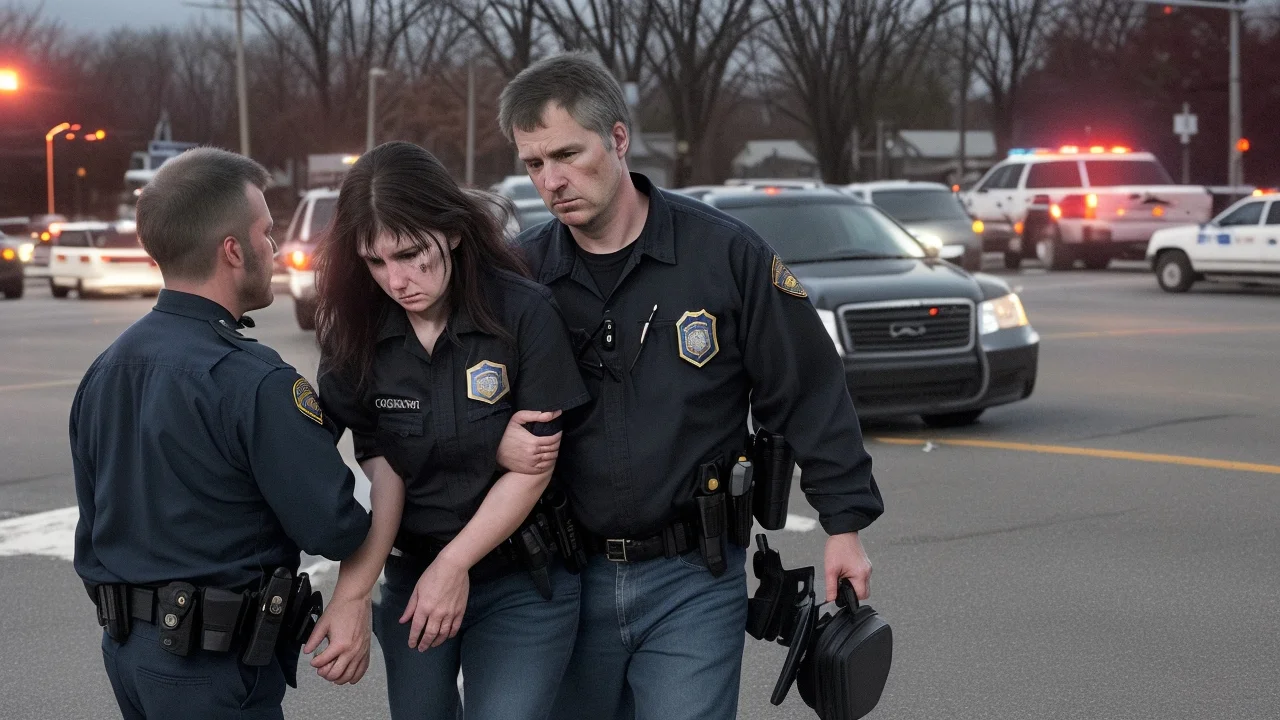
The bill creates clear boundaries while preserving legitimate law enforcement cooperation. Local police could still work with federal agencies on criminal cases, but they couldn’t act as immigration officers.
| Current ICE Partnership Activities | Status Under New Law |
|---|---|
| Local officers deputized as immigration agents | Prohibited |
| Using local jail space for immigration detention | Prohibited |
| Criminal investigations with federal agencies | Still allowed |
| Apprehending dangerous individuals | Still allowed |
“We’re not stopping cops from doing their jobs,” explains one law enforcement official familiar with the proposal. “We’re making sure they can focus on keeping communities safe instead of enforcing federal civil laws.”
Law Enforcement Leaders Rally Behind the Push
Support for ending ICE partnerships has grown rapidly across New York. In just two weeks, 29 law enforcement leaders and elected officials have endorsed the legislation, creating an impressive coalition.
The list includes some heavy hitters in New York law enforcement:
- New York City Police Commissioner Jessica Tisch
- Brooklyn District Attorney Eric Gonzalez
- Manhattan District Attorney Alvin Bragg
- Rochester Mayor Malik Evans
These aren’t anti-law enforcement activists – they’re the people responsible for keeping New York’s communities safe every day. Their support carries significant weight in the debate.
“When district attorneys and police commissioners say these partnerships hurt public safety, we need to listen,” says a state legislative aide working on the bill.
Currently, 14 law enforcement agencies in New York operate under some form of 287(g) agreement with ICE. The proposed legislation would end all of these arrangements.
Why Police Chiefs Say ICE Partnerships Hurt Public Safety
The law enforcement support isn’t just political posturing. Police leaders have concrete reasons for backing the elimination of ICE partnerships, and their arguments focus on practical public safety concerns.
Community trust sits at the heart of effective policing. When residents fear that calling police might result in family members being deported, they stop reporting crimes. Witnesses refuse to come forward. Victims stay silent.
“If people are afraid to talk to us, we can’t solve cases,” explains one participating police chief. “It’s that simple.”
The resource allocation argument also resonates with local officials. Training officers in federal immigration law, processing federal paperwork, and maintaining detention facilities for civil immigration cases diverts money and personnel from fighting local crime.
District attorneys point to another crucial factor: prosecutorial priorities. When local prosecutors focus on civil immigration violations instead of violent crime, drug trafficking, and property crimes, community safety suffers.
| Public Safety Impact | With ICE Partnerships | Without ICE Partnerships |
|---|---|---|
| Crime reporting by immigrants | Decreases significantly | Returns to normal levels |
| Police resource allocation | Split between local and federal priorities | Focused on local crime |
| Community cooperation | Reduced in immigrant communities | Improved across all communities |
The Real-World Impact on Communities
Beyond the political rhetoric and policy debates, ending ICE partnerships would create immediate changes in how policing works across New York communities.
Immigrant families would likely feel more comfortable reporting domestic violence, theft, and other crimes. Business owners in diverse neighborhoods might see increased cooperation when dealing with vandalism or robbery.
School districts could benefit too. When parents aren’t afraid of police contact, they’re more likely to report bullying, drug activity, or safety concerns near schools.
However, critics worry about potential consequences. Some argue that ending these partnerships could make it harder to identify individuals who have committed serious crimes and also violated immigration law.
“The bill doesn’t prevent cooperation on criminal cases,” supporters respond. “It just stops using local police as immigration agents.”
The financial impact could be significant for some departments currently receiving federal funding through 287(g) agreements. These agencies would need to adjust their budgets and potentially reallocate personnel.
Local jail systems would also see changes. Facilities currently housing individuals solely for civil immigration violations would need to find alternative revenue sources or reduce capacity.
What Happens Next
The Local Cops, Local Crimes Act now moves through New York’s legislative process. With growing support from law enforcement leaders and elected officials, the bill appears to have strong momentum.
Governor Hochul’s roundtable strategy seems to be working. By highlighting support from actual police chiefs and district attorneys, she’s making it harder for opponents to claim the legislation weakens public safety.
The timing could be crucial. As federal immigration enforcement policies continue evolving, states are increasingly asserting their authority over local law enforcement priorities.
“This isn’t about immigration policy,” one supporter emphasized. “It’s about letting local cops focus on local crime.”
FAQs
What is the 287(g) program that New York wants to end?
It’s a federal program that allows ICE to deputize local police officers as immigration agents, giving them authority to enforce federal immigration law using local resources.
Would this bill stop police from working with federal agencies entirely?
No, local police could still cooperate with federal agencies on criminal investigations and apprehending dangerous individuals – just not on civil immigration enforcement.
How many New York law enforcement agencies currently have ICE partnerships?
Currently, 14 law enforcement agencies in New York operate under some form of 287(g) agreement with ICE.
Why do police chiefs support ending these partnerships?
They argue that ICE partnerships reduce community trust, divert resources from local crime fighting, and make residents less likely to report crimes or cooperate with investigations.
Would the bill affect federal immigration enforcement in New York?
ICE could still operate in New York, but they would need to use their own agents and resources rather than deputizing local police officers.
When might this legislation become law?
The bill is currently moving through New York’s legislative process, with growing support from law enforcement leaders and elected officials suggesting strong momentum for passage.
About the Author