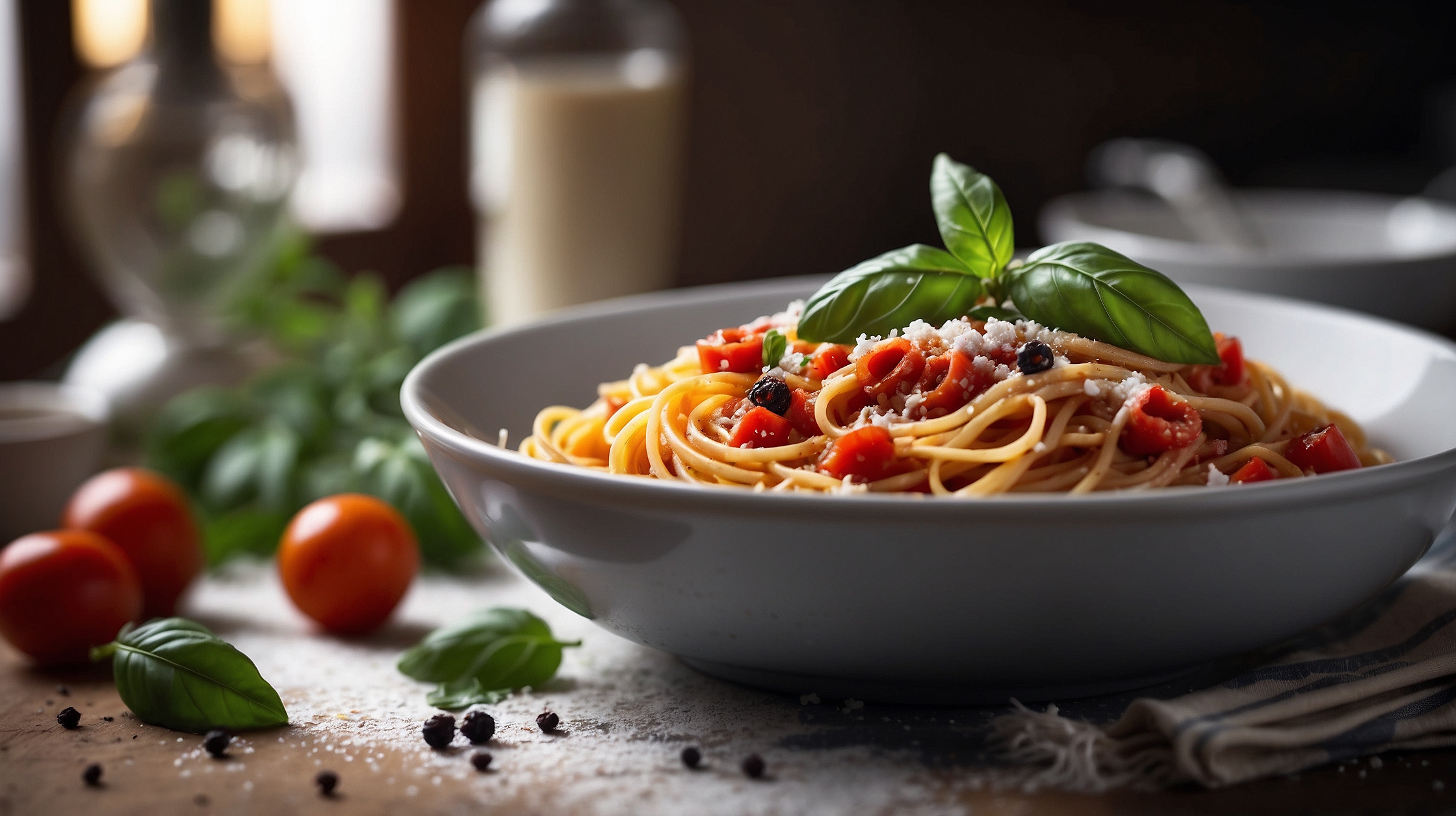
Sometimes, the best lessons in cooking come from the mistakes we make in the kitchen. That was certainly the case for me and pasta. What started as a simple attempt at dinner turned into a turning point in how I cook not only pasta, but how I understand flavor, texture, and timing. The dish was edible—barely—but the missteps I made exposed exactly what I was doing wrong. So I swore I’d change. I studied, I tasted, I refined. Now, every time I make pasta, I follow one specific approach. It changed the way I think about food, and I’m certain it will change yours too.

Pasta is beautifully simple on the surface: boil water, add pasta, sauce it up, and you’re done. But anyone who’s truly passionate about cooking knows it’s not that basic. There’s an art to making pasta that clings to sauce, that bursts with flavor, where every bite is more than just starch and water. It took a failure—everything from overcooked noodles to a watery, flavorless sauce—to push me toward mastering the technique. This is the method I learned, and I will never go back.
At a glance: The key takeaways from learning the hard way
| Topic | Pasta preparation and sauce integration |
| Main transformation | Moving from draining and saucing separately to finishing pasta in the sauce pan |
| Why it matters | Better sauce adhesion, improved flavor integration, and perfect texture |
| Biggest mistake to avoid | Rinsing or draining pasta fully before saucing |
| Best new habit | Reserve pasta water and finish cooking directly in the sauce |
What went wrong the first time I made this pasta
The day I truly learned to cook pasta, I was trying to impress. Bad idea. I overcooked the spaghetti until it was limp, drained it completely in a colander, let it sit while I hastily finished the sauce, then tossed everything together at the end. It looked like pasta, but it tasted bland, dry, and lifeless. Something felt disconnected—literally and figuratively. The sauce slid off. The noodles were soft but unevenly seasoned. It was edible, yet deeply disappointing.
I later learned that this is a classic rookie mistake. And unfortunately, it’s a habit that many home cooks still consistently make. The secret lies not in the ingredients—pasta is usually just semolina and water—but in the **method**. And specifically, how time and temperature impact the food once it’s off the burner. That mistake taught me that the moment you drain and wait, you’re losing more than just water—you’re losing critical flavor and cohesion.
The method that changed everything
Here’s what I do now, religiously, each time I make pasta: I cook it until about 80% of the way done — al dente but still with a slight firmness in the center. At that crucial point, I transfer it **directly from the pot into the pan where the sauce is already simmering.** That step changes the game completely.

When the pasta finishes cooking in the sauce, it absorbs not just heat but the flavor of the sauce itself. Simultaneously, a small amount of the starchy water carried over subtly emulsifies with the fats in the sauce, whether it’s olive oil or butter, creating a silkier, more cohesive texture. **No rinsing, no waiting.** Just seamless integration.
“Finishing pasta in the sauce allows it to absorb flavor and helps bind everything together. It’s the difference between good and unforgettable.”
— Chef L. Romano, Culinary InstructorAlso Read Astronomers confirm the century’s longest solar eclipse date, when day briefly turns to night
Why reserved pasta water is the secret ingredient
The cloudy water you might have poured down the drain all these years? That’s liquid gold. The starch released during boiling does two valuable things: it thickens the sauce naturally without needing flour or cream, and it helps the sauce stick to the noodles like glue.

Keep a cup of **reserved pasta water**, add it gradually as you toss the pasta in the sauce, and watch the transformation. The grains of starch emulsify with the sauce fats, creating a restaurant-quality finish. This is what gives carbonara, cacio e pepe, or even a simple marinara that velvety, luscious mouthfeel.
Never rinse pasta post-boiling—here’s why
Some cooks rinse their pasta after boiling to stop the cooking process. That’s fine if you’re making a cold salad, but for any hot pasta dish, it’s a misstep. Rinsing washes away the surface starch, which is critical for flavor and sauce binding. It also drops the temperature, so your once-perfect noodles are now lukewarm and cling-free.
Instead, time your sauce to be ready just before the pasta hits al dente. That way, there’s no need to wait, rinse, or hold. Pasta goes straight from pot to pan, bringing flavor-enhancing starch and heat along with it.
Common pasta myths that need debunking
- Myth: Oil in the water prevents sticking.
Reality: It just floats on top. Stirring is what prevents sticking. - Myth: Rinsing pasta cools it down for faster service.
Reality: Yes, but at the cost of flavor and consistency. - Myth: You always need heavy sauces.
Reality: Lighter sauces can be stunning when properly emulsified with pasta water.
The pasta formula to follow every time
Here’s the repeatable process I now follow, and it’s never let me down:
- Boil water with enough salt—it should taste like the sea.
- Add pasta and stir immediately. Cook until almost al dente.
- Reserve at least 1 cup of pasta water near the end of boiling.
- Transfer pasta directly into a simmering sauce.
- Add splashes of pasta water as needed to loosen or emulsify the sauce.
- Toss vigorously for 2–3 minutes until the sauce clings beautifully.
- Serve hot, with a fresh sprinkling of cheese or herbs if needed.
Real impact: What happened after I changed my process
The difference wasn’t small—it was *night and day*. My pasta finally tasted like something that came from a trattoria. The flavors melded, the texture was perfect, and friends started asking for seconds. Even with the same ingredients, the improved technique made the entire dish feel luxurious and elevated. Now, standard boxed pasta has a chance to shine like its fresh counterparts when treated right.
Restaurant-grade pasta made at home
Ask any professional chef, and they’ll tell you this technique is essential. It’s not about fancy ingredients or fancy machines; it’s about process and respect for the chemistry happening in your saucepan. When you shift your timing and make pasta cook as part of the sauce—not before it—you unlock a level of depth that most home kitchens just never reach.
“Top Italian restaurants don’t drain their pasta just to dump it on sauce. They treat the process like choreography. And home cooks can too.”
— Giulia A., Italian cookbook author
Frequently Asked Questions
What’s the best time to transfer pasta to the sauce?
When it’s about 80% cooked. It should still have a firm bite. The rest of the cooking will happen as you toss it in the sauce pan.
How much salt should I put in pasta water?
Use approximately 1.5 tablespoons of salt per pound of pasta in a large pot of water. It should taste like the ocean.
Why is pasta water a good thickening agent?
The natural starch that leaches from pasta into the water helps emulsify and thicken sauce without additives.
Is it okay to skip oil in pasta water?
Yes, and you should. Oil prevents water from boiling over but doesn’t help with sticking. Stirring is more effective.
Can I use this method with any type of pasta?
Absolutely. Whether it’s spaghetti, penne, or fettuccine, finishing in the sauce improves both texture and taste.
What if my sauce gets too thick while tossing?
Add small splashes of reserved pasta water to thin it out. It lightens but also enhances the texture and flavor.
Should I ever rinse pasta?
Only if you’re making a cold pasta salad. For hot dishes, rinsing removes the starch you want.
How can I make sure sauce and pasta don’t separate?
Toss pasta in the sauce while it’s hot, add pasta water, and stir until the sauce clings well. Heat and starch are the keys.
About the Author