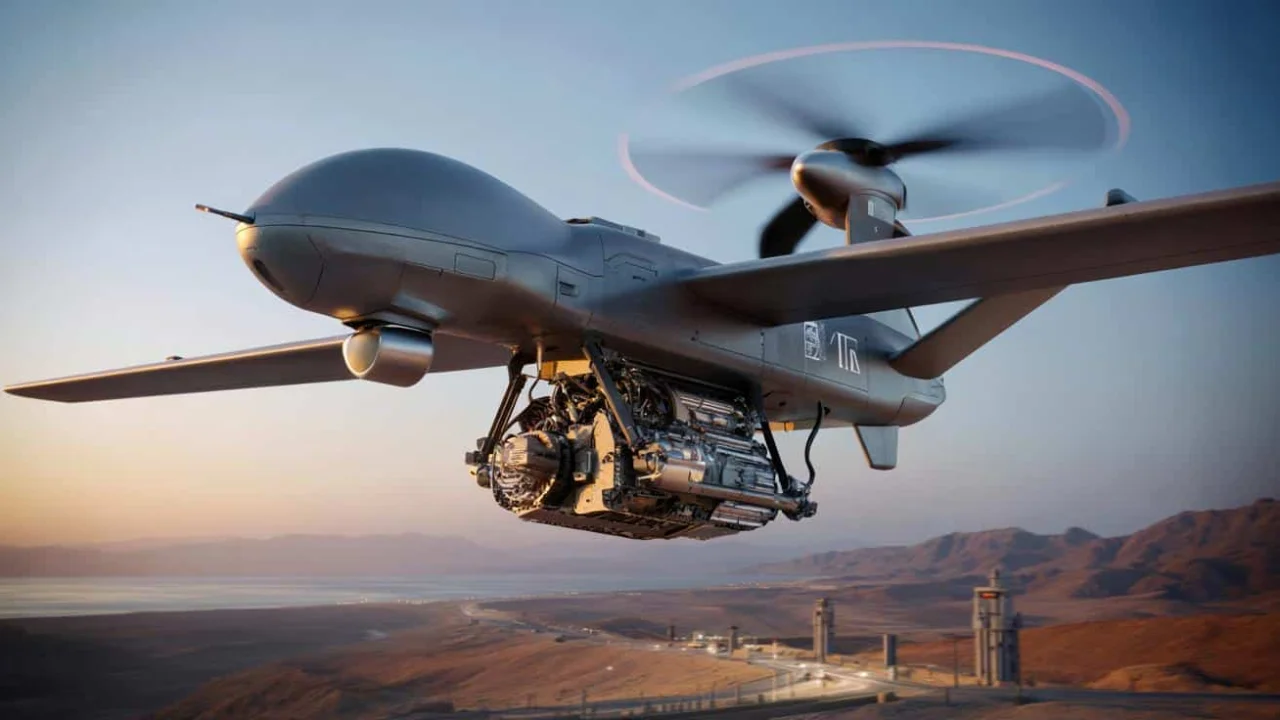
Picture a military surveillance drone operator somewhere along a contested border. It’s 3 AM, and their mission requires absolute silence as the aircraft hovers over a critical area for hours on end. The old electric drone would have run out of power two hours ago. The traditional fuel-powered model would have given away their position with engine noise long before now.
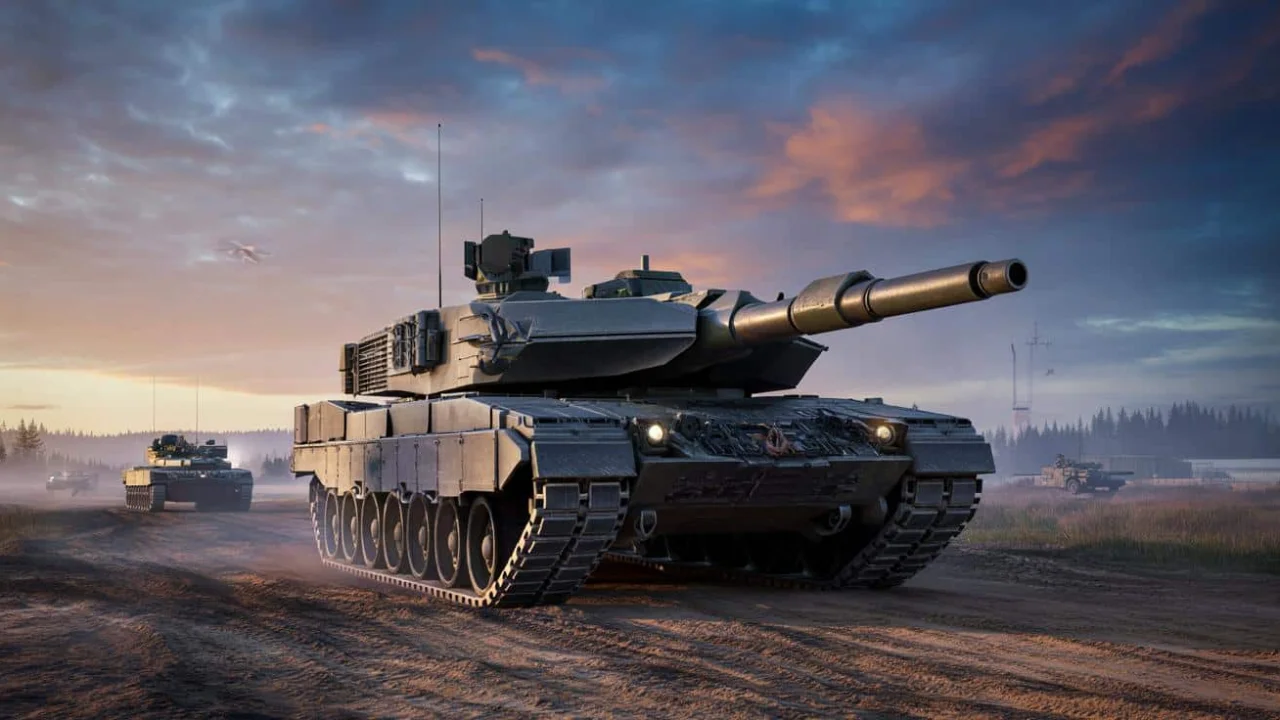
But tonight, something different is happening. The hybrid drone propulsion system switches seamlessly between electric stealth mode and fuel-powered endurance mode, giving operators the best of both worlds. What once seemed impossible is now becoming reality on testing ranges across Israel.
This isn’t just another incremental improvement in drone technology. It’s a fundamental shift in how we think about unmanned aircraft capabilities, and it could change everything from military operations to commercial delivery services.
Israel’s Defense Giant Makes Its Move
Elbit Systems, one of Israel’s most influential defense contractors, has thrown its weight behind what they’re calling the world’s first true hybrid drone propulsion system. The partnership with local specialist Lowental Hybrid represents a major bet on technology that could redefine drone warfare.
The Native Parallel Hybrid system doesn’t require engineers to tear apart existing aircraft designs. Instead, it fits into current airframes with minimal structural changes, making it incredibly attractive for military forces with large existing fleets.
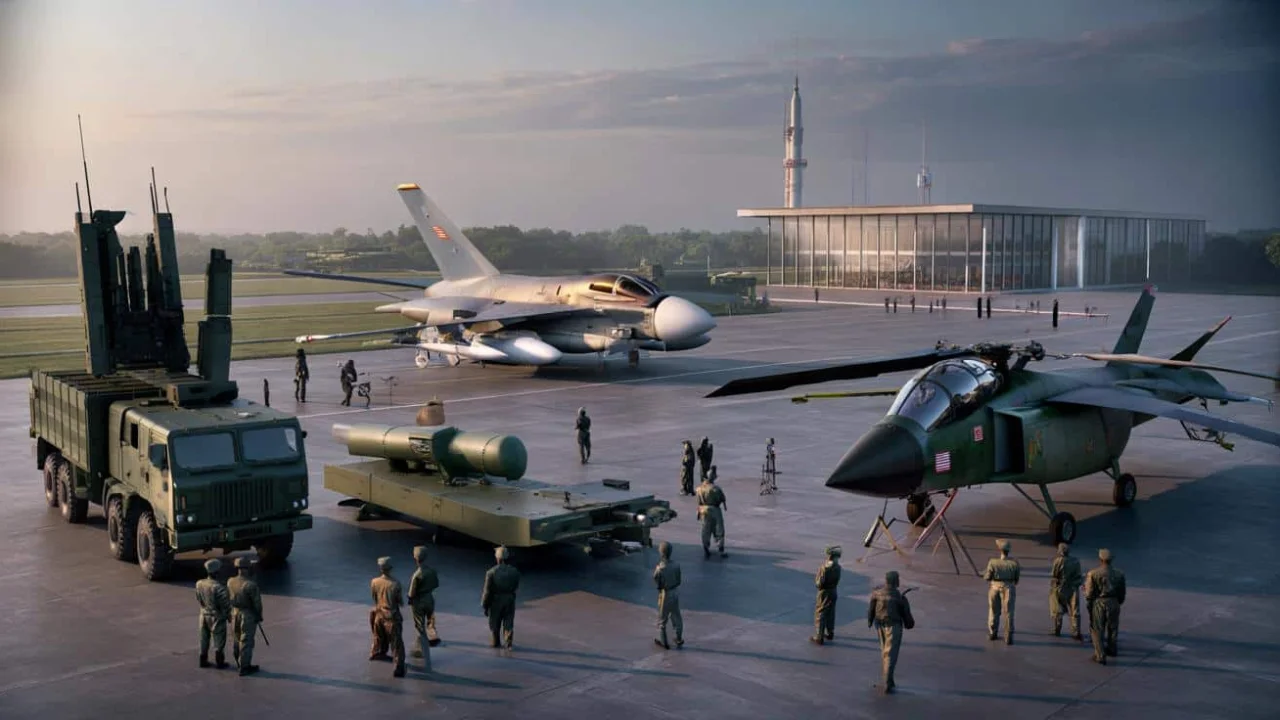
“We’re not asking customers to start from scratch,” explains an industry insider familiar with the project. “This system retrofits into platforms they’re already flying, which means faster deployment and lower costs.”
The beauty lies in the simplicity of the concept. Traditional drones face a brutal trade-off: electric motors offer stealth and precision but limited range, while combustion engines provide endurance but create noise and heat signatures that enemy forces can detect.
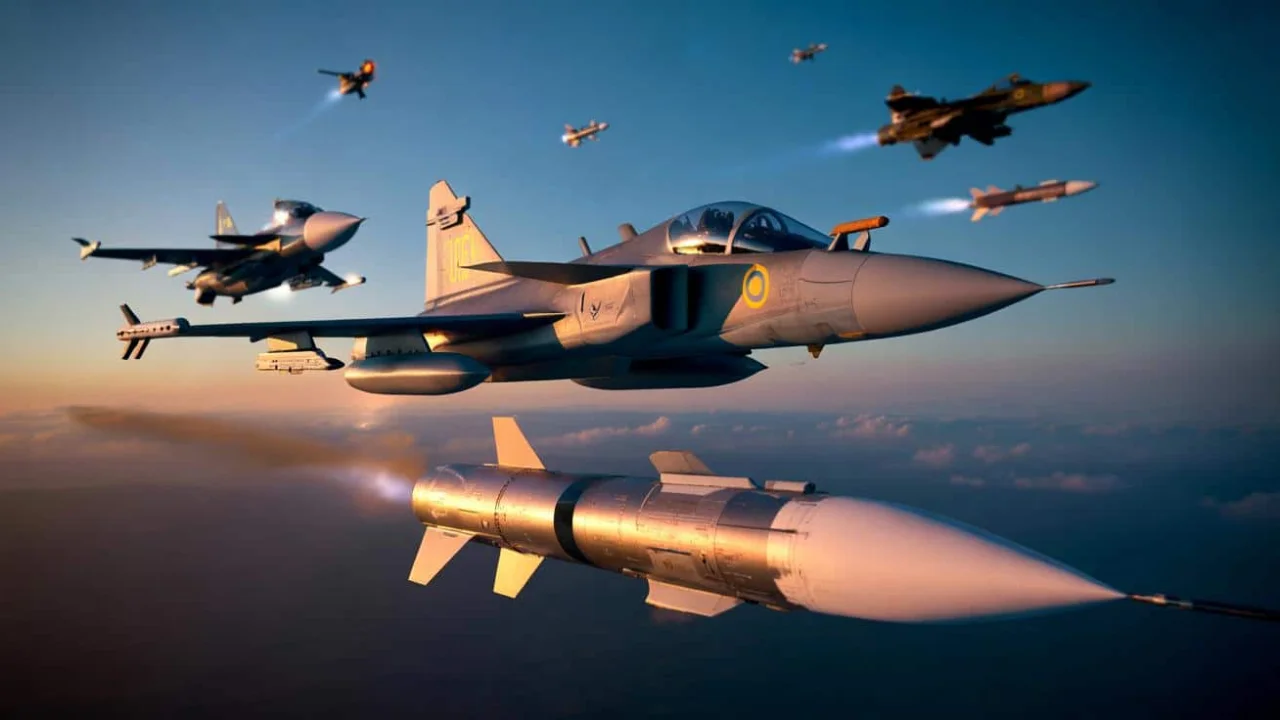
Breaking Down the Revolutionary Technology
The hybrid drone propulsion system works by running both power sources simultaneously or switching between them based on mission requirements. Here’s how this game-changing technology stacks up:
| Power Mode | Primary Use | Key Advantage | Mission Phase |
|---|---|---|---|
| Electric Only | Stealth operations | Near-silent operation | Target surveillance |
| Combustion Only | Long-distance travel | Extended range | Transit to/from target |
| Hybrid Mode | Balanced operations | Optimal efficiency | Extended loitering |
The system’s key innovations include:

- Automatic power source switching based on flight profiles
- Regenerative charging that uses the combustion engine to top off batteries
- Intelligent power management that optimizes fuel and battery usage
- Minimal weight penalty compared to traditional single-power systems
- Retrofit compatibility with existing drone platforms
“The real breakthrough is in the control algorithms,” notes a defense technology analyst. “The system doesn’t just combine two engines – it thinks about which one to use when.”
Flight testing has reportedly shown mission endurance improvements of up to 300% compared to pure electric systems, while maintaining the stealth characteristics that make modern military drones so effective.
Real-World Impact Beyond the Battlefield
While military applications grab headlines, this hybrid drone propulsion system could reshape civilian industries too. Commercial drone operators have struggled with the same basic physics that military forces face: you can have long flights or quiet flights, but not both.
Emergency services could deploy hybrid drones for extended search and rescue operations that require both stealth and endurance. A rescue drone could fly long distances on combustion power, then switch to electric mode for quiet operations near survivors who might be spooked by engine noise.
Delivery companies are watching closely too. The ability to combine long-range fuel efficiency with quiet electric operation for the final approach could solve the “last mile” problem that has plagued commercial drone delivery services.
“This technology addresses real operational constraints that have limited drone adoption in sensitive environments,” explains an aerospace engineer who requested anonymity. “Noise pollution has been a major barrier for urban drone operations.”
The agricultural sector sees potential for precision crop monitoring that combines the endurance needed to cover large farms with the quiet operation required near residential areas. Environmental researchers could conduct wildlife surveys without disturbing animal behavior through engine noise.
However, the technology also raises concerns about proliferation. More capable drone systems in the wrong hands could pose security challenges that regulators worldwide will need to address.
Manufacturing scalability remains another question mark. While the system promises retrofit compatibility, producing enough hybrid propulsion units to meet global demand will require significant industrial capacity expansion.
“The technology works, but scaling production to commercial volumes while maintaining quality and cost targets is the next major hurdle,” warns a supply chain expert familiar with aerospace manufacturing.
International aviation authorities are already beginning preliminary discussions about certification standards for hybrid drone systems, recognizing that current regulations weren’t designed with this technology in mind.
The Competitive Landscape Heats Up
Elbit’s partnership with Lowental Hybrid puts Israel at the forefront of a race that includes major players from the United States, China, and Europe. Each approach to hybrid drone propulsion brings different advantages and trade-offs.
American defense contractors have focused on hybrid systems for larger military drones, while Chinese manufacturers are reportedly developing hybrid technology for commercial applications first. European companies are taking a third path, emphasizing environmental considerations alongside performance improvements.
“We’re seeing a convergence of technologies that were developed separately coming together in unexpected ways,” observes a market research analyst specializing in unmanned systems.
The timing couldn’t be better for breakthrough drone technology. Global tensions have increased demand for surveillance and reconnaissance capabilities, while commercial applications are finally reaching technical and economic viability.
FAQs
How does a hybrid drone propulsion system work?
The system combines a traditional combustion engine with electric motors, automatically switching between them or running both simultaneously based on mission requirements.
Can existing drones be upgraded with hybrid propulsion?
Yes, the Native Parallel Hybrid system is designed to retrofit existing airframes with minimal structural modifications required.
What are the main advantages of hybrid drone propulsion?
The key benefits include extended flight time, reduced noise signatures during stealth operations, and improved operational flexibility compared to single-power systems.
When will hybrid drone technology be available commercially?
While military applications are being tested now, commercial availability will depend on regulatory approval and manufacturing scale-up, likely within 2-3 years.
How much longer can hybrid drones fly compared to electric-only models?
Early testing suggests mission endurance improvements of up to 300% compared to pure electric systems, though exact performance varies by aircraft size and mission profile.
Are there any downsides to hybrid drone propulsion systems?
The main challenges include increased system complexity, higher initial costs, and the need for both fuel and battery maintenance protocols.
About the Author