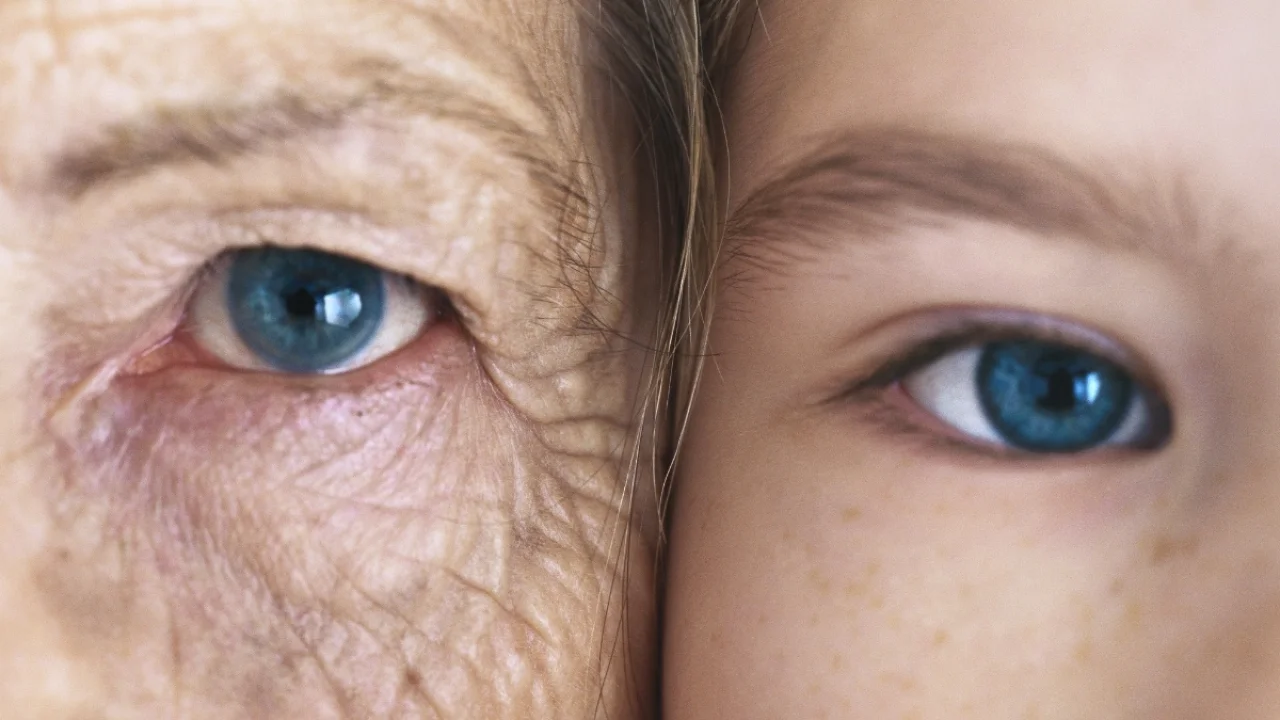
Sarah had always prided herself on looking younger than her age. At 43, people regularly mistook her for someone in her thirties. Then, seemingly overnight, everything changed. Within six months of turning 44, friends started asking if she was feeling okay. Her energy plummeted, her skin seemed different, and she felt like her body had hit fast-forward on aging.

What Sarah didn’t know was that she wasn’t imagining things. Her experience aligns perfectly with groundbreaking research that reveals humans age faster at two distinct periods in our lives.
Scientists have discovered that aging isn’t the slow, steady decline we once thought it was. Instead, our bodies undergo dramatic molecular changes at two specific ages, creating what researchers call “aging peaks” that can leave people feeling like they’ve aged years in just months.

The Science Behind Sudden Aging Spurts
A comprehensive 2024 study from Stanford University tracked over 100,000 different molecules in people aged 25 to 75, revealing something unexpected about how humans age faster during certain life stages. The research identified two major aging acceleration points: around age 44 and again at approximately age 60.
“We’re not just changing gradually over time; there are some really dramatic changes,” explained geneticist Michael Snyder, who led the Stanford research team. “It turns out the mid-40s is a time of dramatic change, as is the early 60s.”

During these periods, thousands of molecules and microorganisms in our bodies shift rapidly. The changes affect everything from how we metabolize alcohol and caffeine to how our muscles function and our skin maintains its elasticity.
The first peak at 44 particularly impacts cardiovascular health, skin and muscle aging, and alcohol metabolism. The second surge at 60 affects immune function, carbohydrate metabolism, and kidney function more dramatically.

What Actually Changes During These Aging Peaks
The molecular shifts that occur during these aging acceleration periods are extensive and affect multiple body systems simultaneously. Here’s what researchers discovered happens when humans age faster at these critical points:
| Age Peak | Primary Changes | Body Systems Affected |
|---|---|---|
| Age 44 | Cardiovascular decline, muscle mass reduction, skin elasticity loss | Heart, muscles, skin, liver |
| Age 60 | Immune system weakening, metabolism slowdown, kidney function decline | Immune system, kidneys, metabolism |
Key molecular changes during the first aging peak include:

- Decreased ability to process alcohol effectively
- Reduced caffeine metabolism speed
- Significant changes in fat and protein processing
- Alterations in cardiovascular disease markers
- Shifts in skin and muscle-related molecules
The second aging acceleration at 60 brings different but equally significant changes:
- Major shifts in immune system function
- Changes in carbohydrate and energy metabolism
- Kidney function modifications
- Alterations in molecules linked to age-related diseases
“The fact that we see these dramatic shifts at specific ages suggests there might be biological clocks or programs that trigger these changes,” noted Dr. Snyder. This discovery challenges the traditional view that aging happens gradually and uniformly across all body systems.
Real-World Impact on Daily Life
Understanding that humans age faster at these two critical periods has profound implications for how we approach health and wellness throughout our lives. Many people report feeling confused or concerned when they experience sudden changes around these ages, not realizing they’re going through a normal but intense biological transition.
For people approaching or going through their mid-40s, this research explains why you might suddenly find yourself getting hangovers from amounts of alcohol that never affected you before. It also clarifies why skin care routines that worked for years might suddenly seem inadequate, or why maintaining muscle mass becomes noticeably more challenging.
“These findings give us a roadmap for when to be extra vigilant about our health,” explains longevity researcher Dr. Lisa Chen. “Instead of waiting for problems to develop, we can proactively address the systems that are most vulnerable during these aging peaks.”
The research suggests that targeted interventions during these periods might be more effective than general anti-aging approaches applied throughout life. For instance, focusing on cardiovascular health and muscle maintenance in the early 40s, then shifting attention to immune system support and metabolic health approaching 60.
People in their early 40s might benefit from increased strength training to combat muscle loss, enhanced cardiovascular exercise, and more careful attention to alcohol consumption. Those approaching 60 should consider prioritizing immune system support, monitoring kidney function, and adjusting their approach to carbohydrate intake.
This knowledge also helps normalize the experience of sudden aging that many people report. Instead of feeling like something is wrong, individuals can recognize these changes as part of natural biological transitions and take appropriate action.
“The most empowering aspect of this research is that it gives people permission to acknowledge what they’re experiencing,” says geriatrician Dr. Mark Rodriguez. “When patients tell me they feel like they aged overnight around 44 or 60, I can now tell them that science backs up their observation.”
The study also opens new possibilities for personalized medicine approaches. Healthcare providers might develop specific screening protocols and intervention strategies tailored to these aging peaks, potentially preventing or minimizing age-related health issues before they become serious problems.
For family members and caregivers, understanding these aging patterns can help them provide better support during these transitional periods. Knowing that rapid changes are normal and expected can reduce anxiety and encourage proactive health management rather than reactive responses to problems.
FAQs
At what exact ages do humans age faster?
The research identifies two main aging acceleration periods: around age 44 and approximately age 60, though individual timing can vary slightly.
How long do these rapid aging periods last?
The study suggests these are relatively brief but intense periods of change, typically lasting several months rather than years.
Can lifestyle changes prevent these aging surges?
While you can’t prevent these natural biological transitions, healthy lifestyle choices may help minimize their impact and support your body through the changes.
Do both men and women experience these aging peaks?
Yes, the research found these patterns in both men and women, though the specific molecular changes may vary between sexes.
Is it normal to feel like I aged overnight around these ages?
Absolutely. Many people report sudden changes in energy, appearance, or physical capabilities around ages 44 and 60, and this research confirms these experiences are biologically real.
Should I change my healthcare routine based on this research?
Consider discussing these findings with your healthcare provider to develop age-specific health strategies, especially if you’re approaching these critical periods.
About the Author