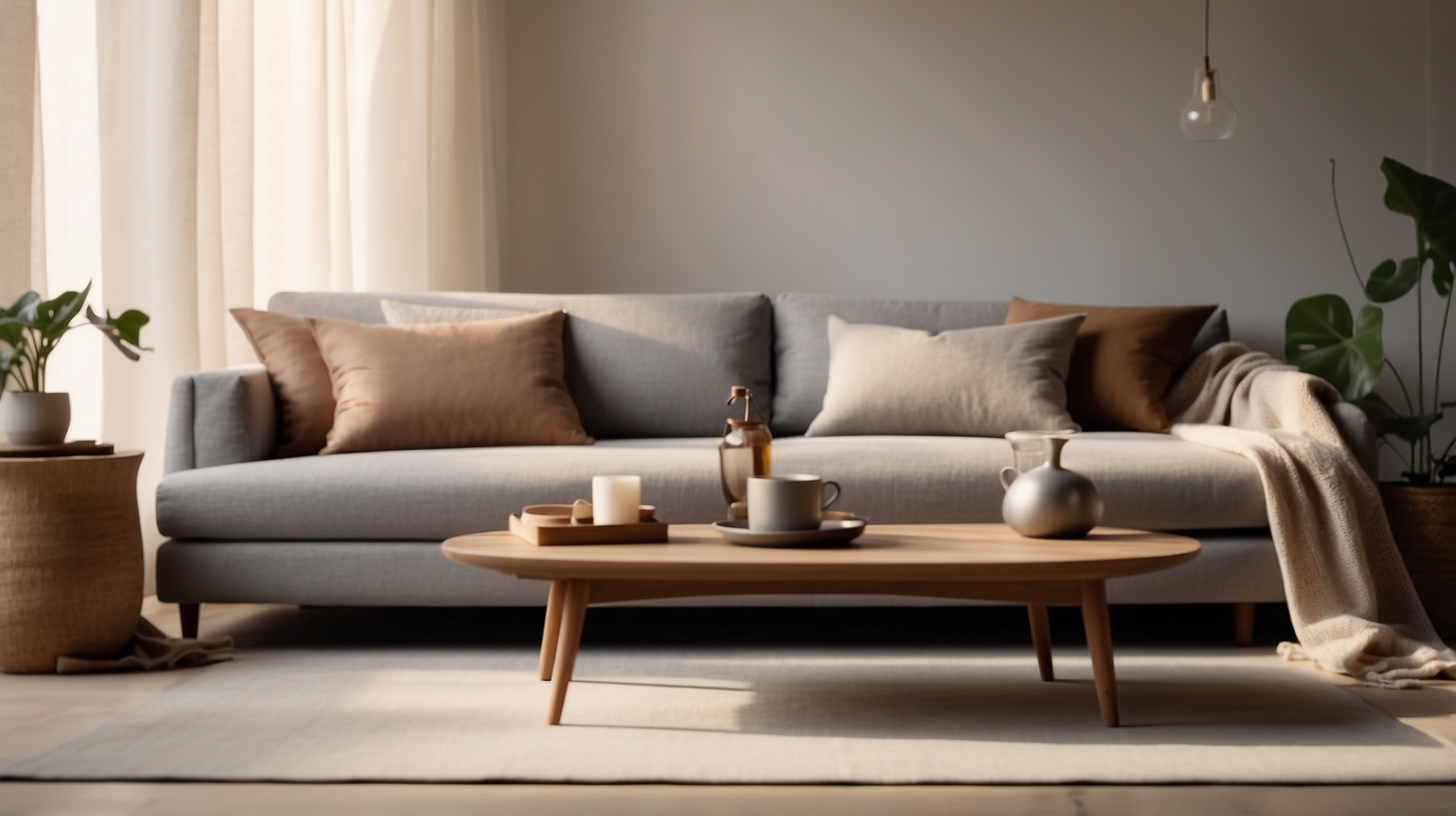

Fabric furniture adds warmth and style to any home, but keeping it fresh and clean without constant washing can be a real challenge. Whether it’s your favorite reading chair or the family sectional that sees daily use, fabric furniture soaks up all kinds of odors, dust, and stains. Washing upholstery isn’t always an option—it can be time-consuming, wear down the fabric, or be impossible for non-removable covers. Luckily, there are several effective, low-effort strategies to keep your furniture looking and smelling great without tossing the covers in the washer.
These practical tricks aren’t just pie-in-the-sky home remedies—they actually work. From using household products creatively to applying some simple changes to your cleaning routine, maintaining fresh, inviting upholstery is easier than ever. The key lies in consistency, the right tools, and knowing a little bit about how different materials react to moisture and cleaning products. Your furniture doesn’t need a trip through the spin cycle to stay fresh—you just need a smarter approach.
Quick methods to refresh fabric furniture
| Method | Best For | Time Required | Notes |
|---|---|---|---|
| Baking soda deodorizing | Odor removal | 15-30 mins | Safe for most fabrics |
| Vacuuming with upholstery tool | Dust and debris | 10-20 mins | At least once per week |
| Alcohol spray sanitizing | Disinfecting, odors | 10 mins | Spot test first |
| Essential oil fabric mist | Long-lasting scent | 5 mins | Use sparingly |
| Sunlight airing | Mildew, freshness | 1-2 hours | Sun fading risk |
Why washing might not be the best solution
While washing fabric upholstery sounds like the most thorough cleaning method, it can often do more harm than good. Many sofas and armchairs have non-removable covers, and even those that do may shrink, fade, or lose shape after repeated laundering. Water-based cleaning can also leave behind moisture, which encourages mold and bacteria to grow deep within cushions. Additionally, frequent washing reduces the fabric’s durability over time.

Instead of global wash cycles or costly professional services, maintaining a cleaner environment and using targeted spot techniques can help extend your furniture’s lifespan while keeping your living space fresh and welcoming. This approach also promotes sustainable household living by reducing water usage and chemical exposure.
The magic of baking soda and how to use it
Baking soda is not just for your fridge or baking tray—it’s a top-notch, budget-friendly deodorizer for fabric furniture. Sprinkle it generously over cushions, armrests, and backs of chairs. Let it sit for 15 to 30 minutes to absorb odors and moisture. Then, vacuum it off using the brush attachment to avoid damaging the fabric.
“For fabric furniture, baking soda works wonders for neutralizing musty smells without leaving residue. Just don’t forget the vacuum step.”
— Clara Nguyen, Home Cleaning Expert

This technique works especially well between deep cleanings and is suitable for most materials including cotton, linen, microfiber, and even velvet—as long as you test a small area first.
Vacuuming done right: frequency and techniques
Regular vacuuming isn’t just for carpets. Your couch accumulates skin particles, pet hair, crumbs, and indoor allergens every single day. Using the upholstery attachment on your vacuum ensures you reach into crevices and corners where odors and dirt hide. Aim to vacuum fabric furniture once a week, or twice weekly in households with pets or kids.
Be sure to remove cushions when possible and vacuum beneath them. For tufted or buttoned pieces, use a crevice tool to lift debris lodged in seams.
Vodka and rubbing alcohol: unconventional but effective
Surprisingly, alcohol is a game changer for keeping fabric furniture clean. Spritzing a light mist of isopropyl alcohol or cheap vodka helps kill bacteria, dry moisture, and eliminate odors fast—without saturating the fabric.
“The alcohol method works because it evaporates quickly, so it disinfects without soaking the fabric. It’s a great mid-week refresher.”
— Jason Fields, Interior Sanitization Specialist
To apply, fill a clean spray bottle with alcohol and lightly mist the fabric surface. Avoid over-wetting. Once dry, odors from food, pets, or daily use will dissipate significantly.
Natural fabric refreshers: DIY aroma solutions
Want your furniture to smell amazing without artificial sprays? Try crafting a DIY fabric mist using distilled water, white vinegar, and a few drops of essential oils. Lavender, lemon, eucalyptus, and peppermint are excellent choices for a fresh feel.
In a spray bottle, combine 1 cup of distilled water, 1 tablespoon of vinegar, and 6–10 drops of essential oil. Lightly mist your fabric furniture, being cautious not to oversaturate. This blend neutralizes odors while leaving behind a soft aroma.
Airing out fabric pieces naturally
Plain old sunlight and fresh air are often the most overlooked tools in your arsenal. Every so often, weather permitting, pull your cushions outside for a couple of hours in indirect sunlight to kill microbes and eliminate mildew smells.
Be cautious though—too much direct sun can cause fabric fading over time. A partially shaded area or an early morning sunbeaming patio works best for this method.
Quick spot-cleaning for visible stains
For sudden spills or suspicious smudges, immediate spot-cleaning is essential. Use a microfiber cloth dampened with warm water and mild soap. Dab, never rub, to prevent spreading or pushing the stain deeper.
For tougher marks, a paste of baking soda and water or a diluted vinegar solution (1:3 vinegar to water) can help lift spots without damaging fabric fibers. Always test a small hidden area first to ensure discoloration doesn’t occur.
When to call in professionals anyway
Despite your best efforts, there are times when a professional deep clean is warranted. If your furniture has persistent odors, deeply embedded pet hair, or stains that won’t budge, steam-cleaning by certified upholstery experts might be necessary once or twice a year to fully restore freshness.
“DIY upkeep extends your furniture’s lifespan, but annual professional cleaning resets deeply embedded allergens and buildup.”
— Leah Armstrong, Upholstery Care Technician
Short FAQs about refreshing fabric furniture
Can I use baking soda on all types of upholstery?
Baking soda is generally safe for most fabrics but always spot test an inconspicuous area first before full application.
Is vinegar safe for fabric couches?
White vinegar is usually safe in diluted form. Mix with water and test a hidden area first to ensure compatibility with fabric dyes.
How often should I refresh my furniture with these methods?
Light refreshing such as vacuuming and misting should be done weekly, while baking soda treatments every 2–4 weeks help control deeper odors.
What’s the best way to keep sofa smelling fresh daily?
Using DIY essential oil mists, and ensuring good room ventilation can maintain freshness between cleanings.
Do I need special vacuum attachments for furniture?
Yes, most vacuums come with upholstery brush and crevice tool attachments which are ideal for fabric furniture cleaning.
Can pets cause sofa odors even if they’re clean?
Yes—natural pet oils, saliva, and dander collect in fabric over time, requiring frequent deodorization treatments.
Does alcohol ruin fabric color or texture?
Alcohol evaporates quickly, but it’s crucial to perform a patch test to avoid unwanted changes to color or texture.
Are scent boosters or dryer sheets safe to use?
It’s best to avoid direct contact with these as they may leave oily residue or cause discoloration. Use natural mists instead.
About the Author