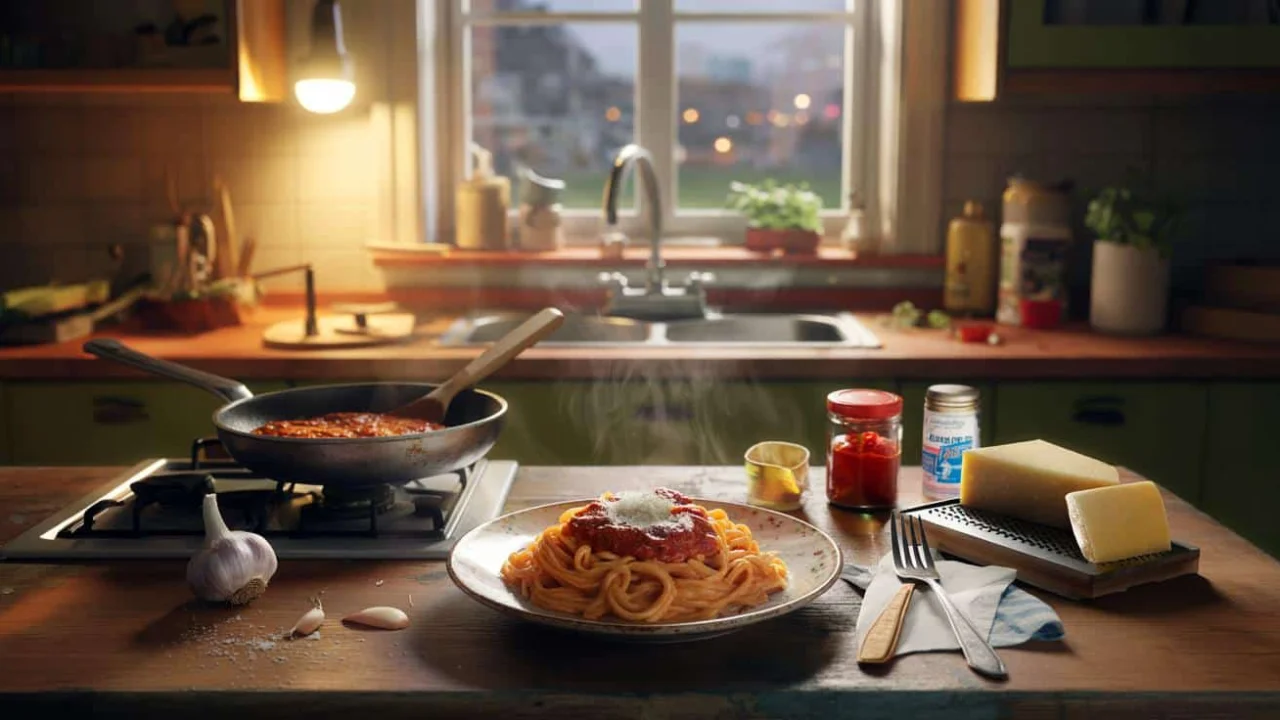
The wooden spoon felt heavier in my hand than it should have. I was standing in my cramped city apartment, stirring what started as a simple pasta sauce, when the smell hit me like a freight train. Suddenly, I wasn’t 28 and living alone anymore. I was 8 years old, perched on a kitchen stool, watching my grandmother work magic with the same ingredients I’d just thrown together.

The garlic sizzled in olive oil, releasing that sharp, familiar aroma that seemed to unlock a door I didn’t even know was closed. My throat tightened unexpectedly. This wasn’t supposed to be an emotional moment. I was just trying to feed myself on a Tuesday night.
But there I was, crying over pasta sauce, missing home so intensely it physically hurt.

Why cooking triggers such powerful memories of home
Homesickness cooking isn’t just about missing your family’s recipes. It’s about the way food connects us to places, people, and versions of ourselves we thought we’d moved past. When we recreate dishes from our childhood or hometown, we’re not just feeding our bodies – we’re trying to feed a part of our soul that feels displaced.
The science behind this emotional response is fascinating. Our olfactory system, which processes smell, is directly linked to the limbic brain, where memories and emotions live. That’s why the scent of your mom’s Sunday roast or your dad’s pancakes can instantly transport you back in time.

“Food memories are some of the strongest we form,” explains Dr. Rachel Herz, a neuroscientist who studies the psychology of smell. “They’re created when we’re young, often in moments of comfort and security, which makes them incredibly powerful emotional triggers.”
For many people living away from home, cooking familiar dishes becomes a form of emotional self-care. It’s a way to recreate not just flavors, but feelings of belonging and safety.

The most common foods that trigger homesickness
Some dishes seem universally capable of making people miss home, regardless of where they’re from. Here’s what tends to hit people hardest when they’re feeling displaced:
| Food Category | Why It Triggers Homesickness | Common Examples |
|---|---|---|
| Comfort soups | Associated with care and nurturing | Chicken soup, ramen, pho, minestrone |
| Bread and baked goods | Strong aroma triggers, linked to home kitchens | Fresh bread, cookies, family cake recipes |
| Stews and braised dishes | Slow-cooked meals represent time and love | Pot roast, curry, tagine, goulash |
| Holiday foods | Connected to family traditions and celebrations | Turkey dinner, tamales, moon cakes |
| Simple pasta dishes | Often the first “real” meals kids learn to make | Spaghetti and meatballs, mac and cheese |
- Regional specialties: Dishes that define your hometown or region become powerful symbols of identity
- Family recipes: Especially those passed down through generations or associated with specific relatives
- Childhood favorites: Foods that represent safety and care from your early years
- Celebratory meals: Dishes tied to holidays, birthdays, or special family occasions
- Street food memories: Local snacks that remind you of specific places and social experiences

The intensity of homesickness cooking varies from person to person. Some people find comfort in recreating exact family recipes, while others are triggered by simply seeing similar ingredients or cooking techniques.
How food connects us to identity and belonging
When you’re living far from home, food becomes more than sustenance – it becomes a bridge to your identity. That’s especially true for immigrants, college students, or anyone who’s moved away from their support system.
“Cooking familiar foods is a way of maintaining cultural identity,” says chef and food anthropologist Amy Trubek. “It’s how we stay connected to who we are when everything around us feels different.”
The act of cooking itself can be just as important as eating the final dish. The muscle memory of chopping vegetables the way your parent taught you, or the ritual of preparing tea exactly how your grandmother did it, creates a sense of continuity across time and distance.
Many people describe feeling closer to deceased relatives when they cook their recipes. It’s as if the kitchen becomes a space where past and present collide, where love transcends physical separation.
For international students studying abroad, cooking traditional foods from home serves multiple purposes. It provides nutritional comfort when local food feels foreign, saves money compared to eating out, and creates opportunities to share their culture with new friends.
“I never realized how much I missed my mom’s cooking until I tried to recreate her rice and beans,” shares Maria Santos, a college student from Puerto Rico studying in Minnesota. “I called her crying because I couldn’t get the seasoning right. She stayed on video chat with me for two hours, walking me through every step.”
The emotional impact isn’t always sad or nostalgic. Sometimes homesickness cooking brings joy and pride. Successfully recreating a complex family recipe can feel like a personal victory, proof that you’re carrying forward important traditions even while building a new life.
Food also serves as a universal language when you’re trying to connect with others in a new place. Sharing dishes from your homeland often opens doors to conversations about culture, family, and shared experiences of missing home.
The COVID-19 pandemic intensified these connections for many people. Stuck at home with time to cook, millions of people found themselves reaching for comfort foods that reminded them of better times or faraway family members.
“During lockdown, I probably called my dad about his chili recipe six different times,” recalls James Chen, who moved to Seattle for work just before the pandemic hit. “Making that chili became this weekly ritual that made me feel less alone.”
FAQs
Why do I get emotional when cooking certain foods?
Your brain associates specific smells and tastes with memories and emotions from your past. When you recreate familiar dishes, you’re triggering powerful neural pathways linked to feelings of home, safety, and connection.
Is it normal to miss home more when cooking than at other times?
Absolutely. Cooking engages multiple senses simultaneously – smell, taste, touch, and sight – which can create particularly strong emotional responses and memories of home.
How can I cope with intense homesickness while cooking?
Embrace the emotions rather than fighting them. Consider calling family while you cook, sharing photos of your dishes, or inviting friends over to share the meal and the memories.
Should I avoid cooking foods that make me homesick?
Not necessarily. While it might be temporarily uncomfortable, cooking familiar foods can actually help you process feelings of displacement and maintain important connections to your identity and culture.
Can cooking help with homesickness in the long term?
Yes, many people find that regularly cooking familiar foods helps them feel more grounded and connected to home, making the adjustment to new places easier over time.
Why do some family recipes taste different when I make them?
Family recipes often rely on techniques, measurements, and ingredient choices that were learned through observation rather than written instructions. The “taste of home” also includes emotional and environmental factors that can’t be replicated exactly.
About the Author