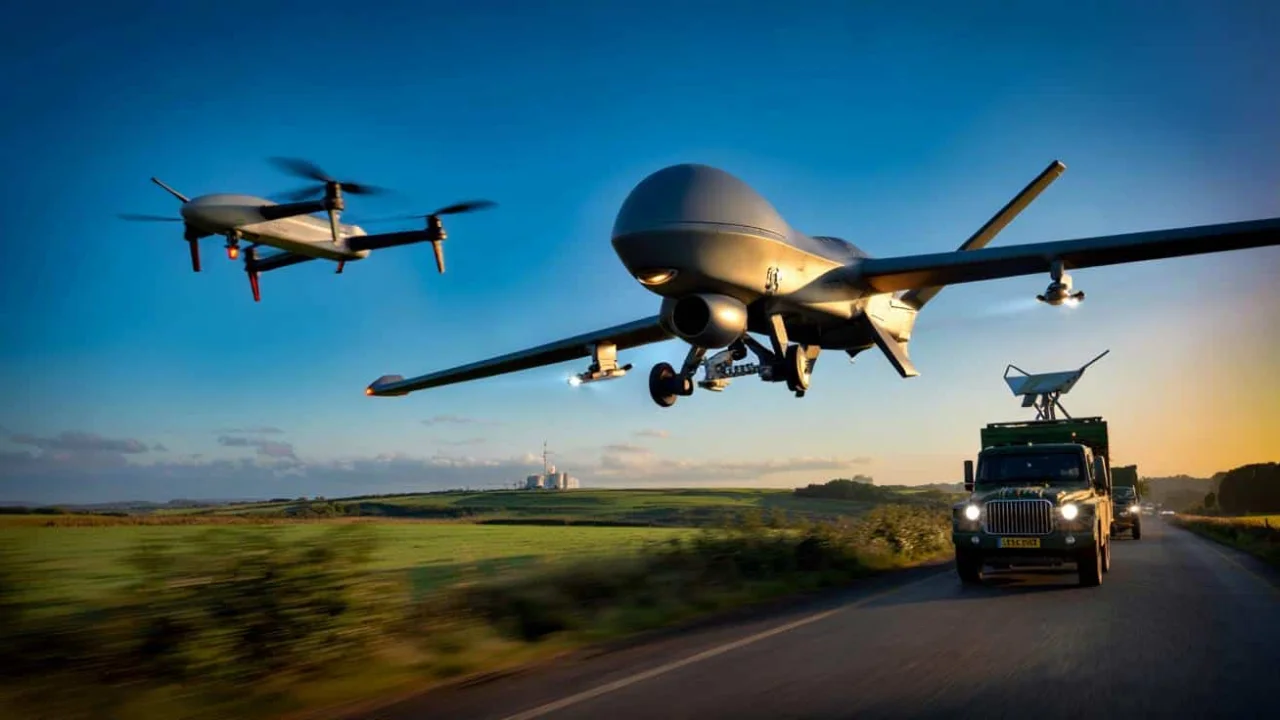
Picture this: You’re working security at Heathrow Airport when your radar picks up something unusual. A small, fast-moving object is heading straight for the runway where a passenger jet is preparing to take off. Your heart races as you realize it’s not a bird—it’s a drone, and traditional jamming systems aren’t stopping it.

This nightmare scenario keeps security experts awake at night. But now, British engineers think they have the answer racing across test fields at breakneck speeds.
What you’re witnessing is the future of drone defense, where the hunter moves faster than its prey.
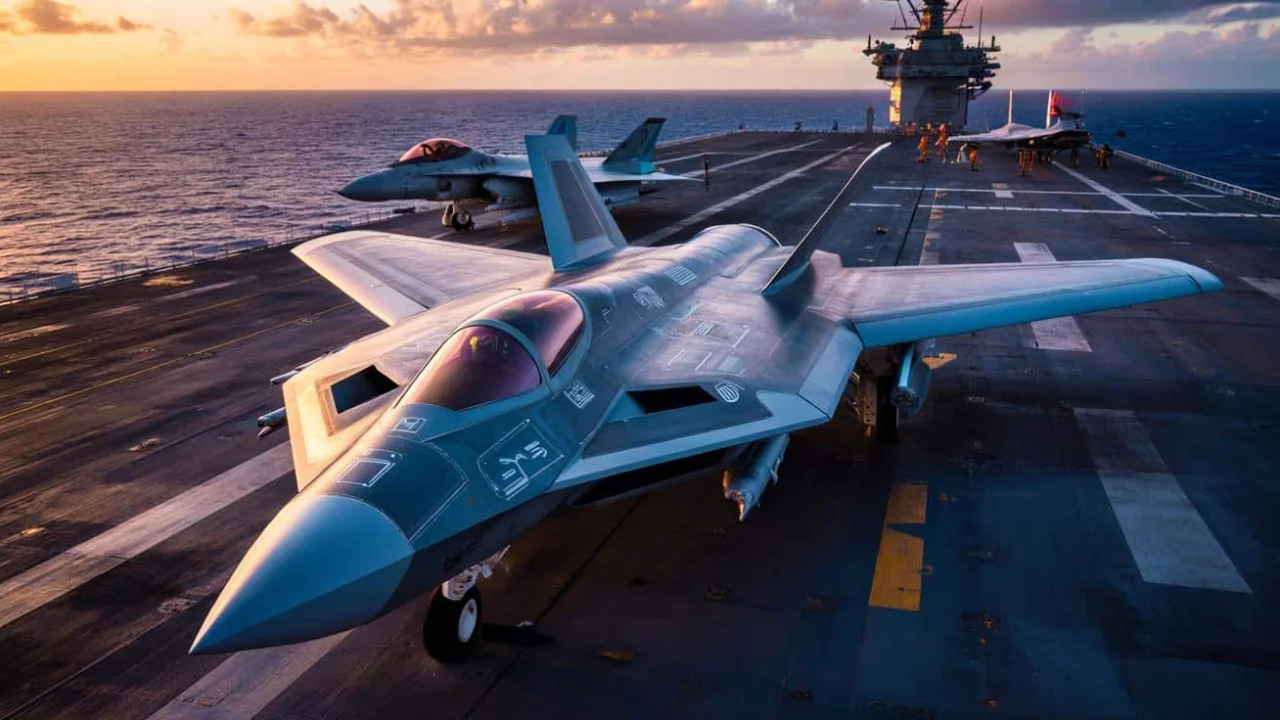
Britain’s New Weapon in the Sky War
The UK defense company Drone Defence has just unveiled AeroStrike, a highspeed drone solution that’s turning heads across the military and security world. This isn’t your typical counter-drone technology that relies on jamming signals or shooting nets.
Instead, AeroStrike does something beautifully simple: it outpaces the threat. Capable of reaching 270 km/h (168 mph), this interceptor can chase down most commercial quadcopters and many fixed-wing drones before they reach their targets.
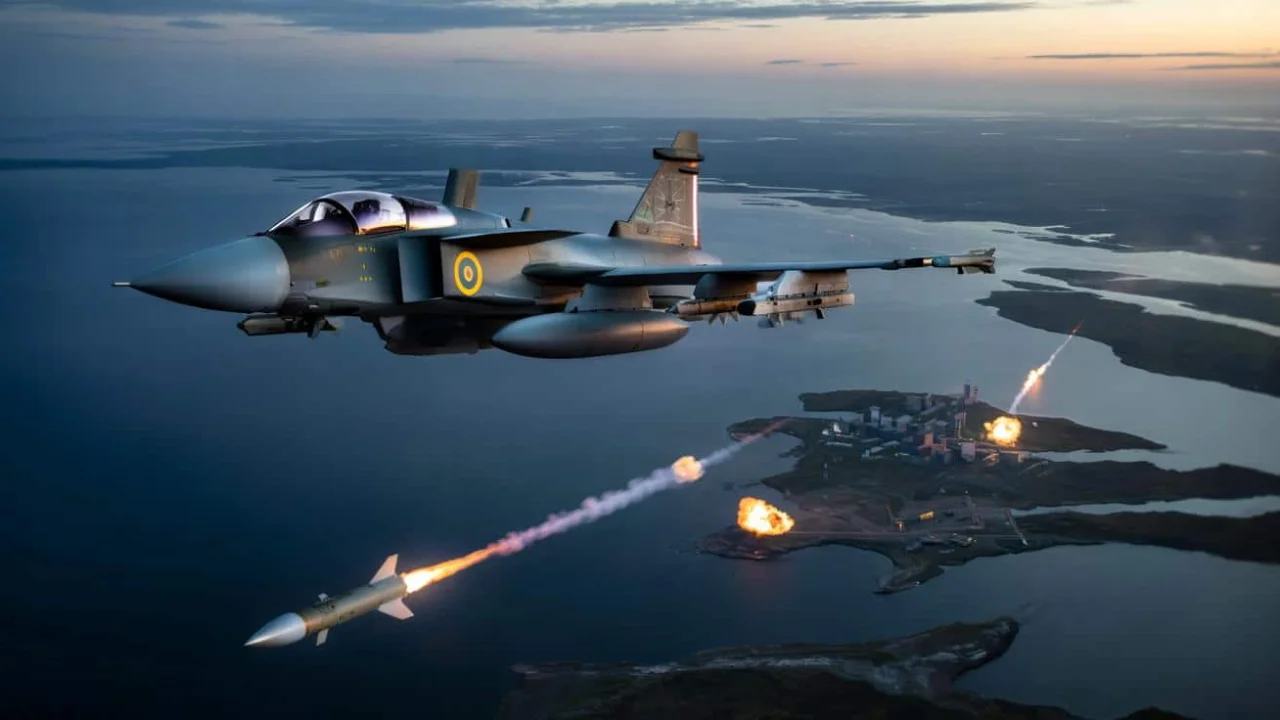
“We’re essentially building the Formula 1 car of drone hunters,” explains Sarah Mitchell, lead engineer at Drone Defence. “When other systems fail or can’t respond fast enough, AeroStrike becomes your last line of defense.”
The system fills a critical gap in current counter-drone technology. While electronic warfare systems can jam drone signals over large areas, they often struggle with autonomous drones or those using encrypted communications. Physical barriers like nets work well but have limited range.

AeroStrike bridges this gap by providing what experts call “kinetic interception”—physically pursuing and disabling threatening drones before they can complete their missions.
Technical Specs That Matter
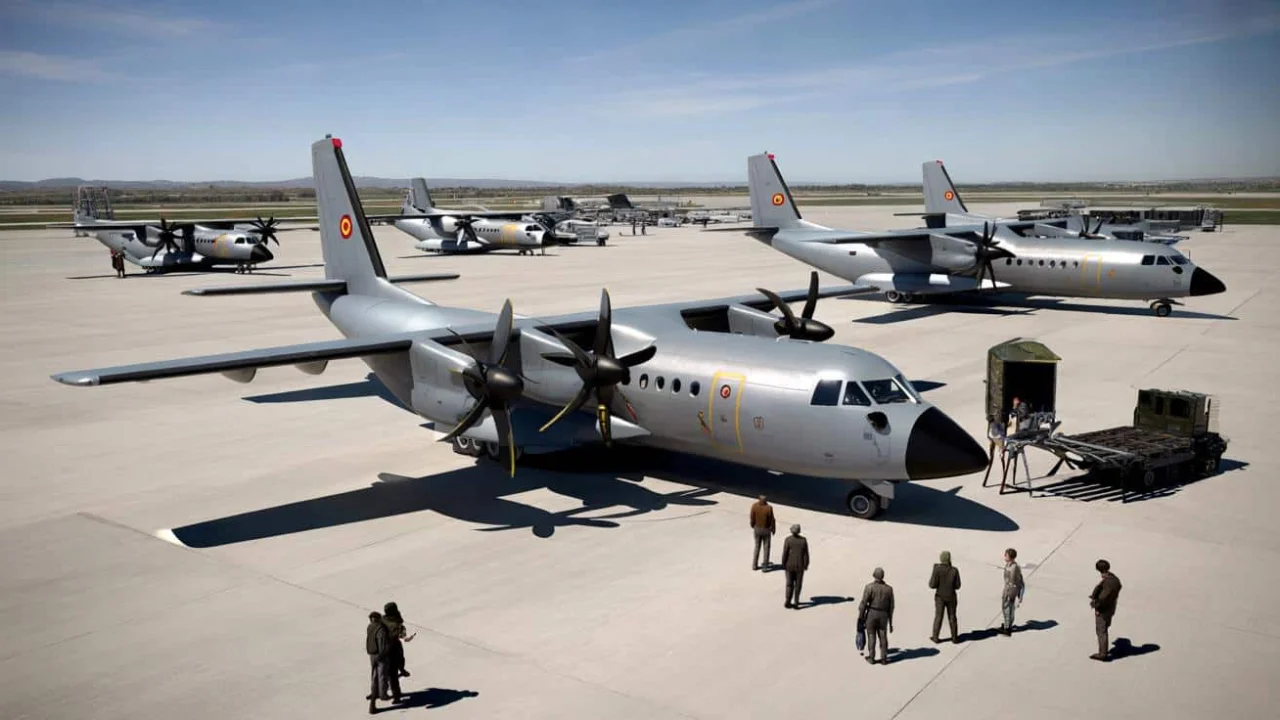
The numbers behind this highspeed drone solution tell an impressive story. Here’s what makes AeroStrike stand out from the competition:
| Specification | AeroStrike Performance |
|---|---|
| Maximum Speed | 270 km/h (168 mph) |
| Operating Range | Up to 15 kilometers |
| Target Types | Class 1 drones (under 20kg) |
| Launch Time | Under 30 seconds |
| Flight Duration | 45 minutes continuous operation |
| Weather Capability | Operational in winds up to 40 km/h |
Key features that set AeroStrike apart include:
- Advanced collision avoidance systems prevent friendly fire incidents
- Modular payload bay allows different disabling methods
- Autonomous pursuit mode reduces operator workload
- Rapid deployment from mobile launcher systems
- Integration with existing radar and detection networks
- Multiple unit coordination for swarm defense
“The beauty of our approach is its simplicity,” notes defense analyst James Crawford. “You don’t need to hack the enemy drone or jam its signals. You just need to be faster and smarter about catching it.”
The interceptor uses a combination of GPS tracking, onboard cameras, and AI-powered prediction algorithms to anticipate where a target drone will be. This allows AeroStrike to plot intercept courses that conserve energy while maximizing success rates.
Real-World Impact Beyond the Battlefield
While military applications grab headlines, this highspeed drone solution addresses threats that ordinary citizens face daily. Airport disruptions, prison smuggling operations, and critical infrastructure attacks have all become more common as consumer drones become cheaper and more capable.
Consider recent incidents: In 2023, drone intrusions shut down major airports in Germany and the Netherlands for hours. Drug cartels regularly use drones to smuggle contraband into prisons. Even sports stadiums now face regular drone threats during major events.
“Traditional security measures weren’t designed for aerial threats moving at 80-100 km/h,” explains security consultant Maria Rodriguez. “AeroStrike changes the equation by giving defenders speed advantage for the first time.”
Potential applications extend far beyond military use:
- Airport perimeter security and runway protection
- Critical infrastructure defense for power plants and refineries
- VIP protection during outdoor events
- Border security along difficult terrain
- Prison contraband prevention programs
- Event security for sports stadiums and concerts
Law enforcement agencies across Europe are already expressing interest. “We need tools that can respond to drone threats in real-time,” says Detective Inspector Robert Thompson from London’s Metropolitan Police. “Electronic jamming isn’t always practical in urban areas where it might interfere with civilian communications.”
The economic implications are significant too. A single drone disruption at a major airport can cost millions in delayed flights and passenger compensation. AeroStrike systems, while expensive to deploy initially, could pay for themselves by preventing just one major incident.
Privacy advocates, however, raise concerns about the potential for misuse. The same technology that protects airports could theoretically be used to pursue hobbyist drones in areas where they’re legally allowed to fly.
Environmental considerations also play a role. Unlike some counter-drone systems that use explosive charges or nets that create debris, AeroStrike is designed to disable targets with minimal environmental impact through precision collision or electronic disruption modules.
As drone technology continues advancing, this highspeed drone solution represents a new approach to an old problem: how do you stop something small, fast, and potentially dangerous before it reaches its target? The answer, it seems, is to build something even faster.
FAQs
How fast can AeroStrike really go compared to typical drones?
AeroStrike reaches 270 km/h, which is roughly three times faster than most consumer drones that cruise at 70-90 km/h.
Can this system accidentally target friendly aircraft?
AeroStrike includes advanced collision avoidance and friend-or-foe identification systems to prevent accidents with manned aircraft or authorized drones.
How much does an AeroStrike system cost?
While exact pricing isn’t public, industry estimates suggest complete systems cost between £2-5 million depending on configuration and support packages.
What happens when AeroStrike catches a threatening drone?
The system can use various methods including controlled collision, net deployment, or electronic disruption modules depending on the situation and payload configuration.
Is this technology legal for civilian use?
Currently, AeroStrike is designed for military, law enforcement, and critical infrastructure protection where proper authorizations exist for active counter-drone operations.
How long can AeroStrike stay airborne during a mission?
The interceptor can operate for up to 45 minutes continuously, allowing multiple intercept attempts or extended patrol missions over protected areas.
About the Author