For decades, age has dictated style—especially for women. Once women crossed into their sixties or seventies, conventional beauty standards often pushed them toward short, practical haircuts that signaled a departure from individuality. But a bold shift is taking place: **more women over 70 are now redefining their hair game**, standing tall in the belief that age should not confine self-expression. The modern woman in her seventies is no longer asking, “What hairstyle should I have at my age?” Instead, she’s demanding: “What hairstyle fits who I am now?”
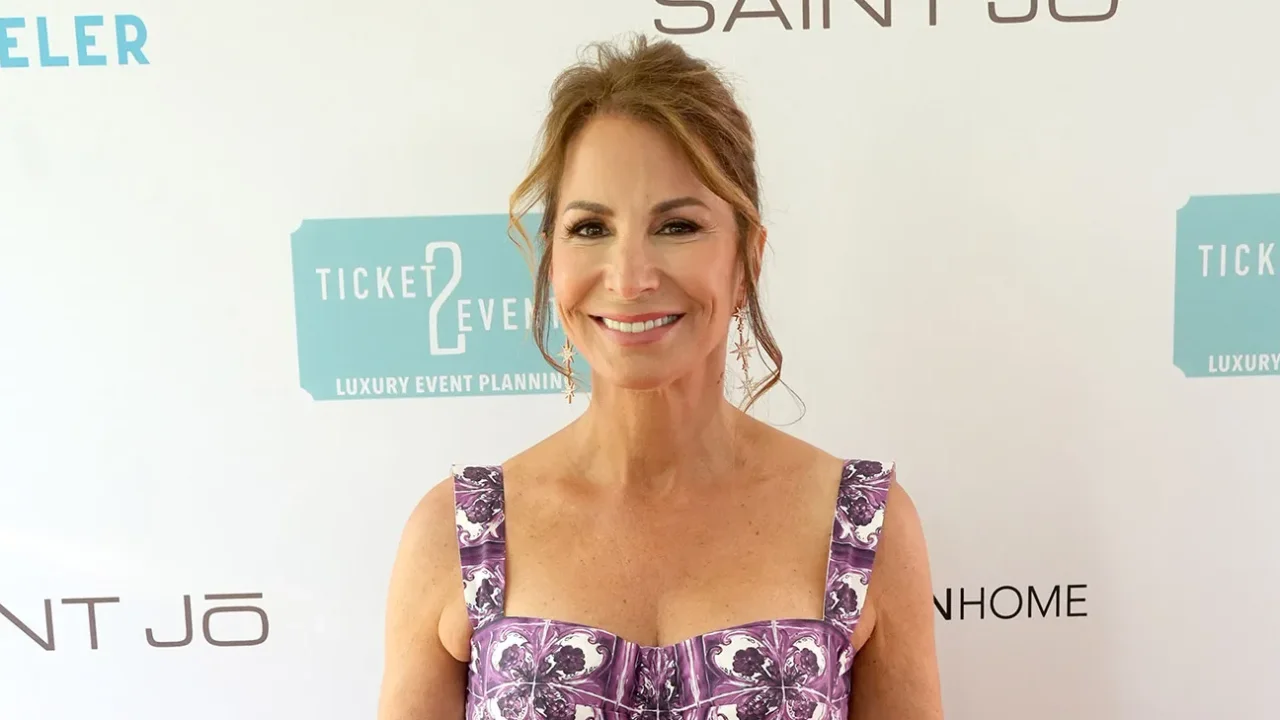
This transformation isn’t just about aesthetics. It’s a movement intertwined with self-worth, confidence, and the freedom to shape one’s identity without the burden of ageist expectations. From long silver waves to edgy pixie cuts, older women today are embracing their unique looks—and society’s beauty norms are finally beginning to bend in response. Let’s dive into the reasons why this change is happening, who’s leading it, and what it means for women reclaiming their personal style later in life.
Key insights at a glance
| Trend | Older women choosing diverse, expressive hairstyles |
| Why it matters | Reflects changing views on aging, identity, and beauty |
| Popular styles | Long silver hair, layered bobs, modern pixies |
| Celebrity influence | Helen Mirren, Jane Fonda, Andie MacDowell |
| Emotional impact | Boosts confidence, self-expression, empowerment |
What changed this year
In recent years—but especially this year—a visible pivot in public discourse around aging and beauty has encouraged older women to explore their style without limitations. Much of this movement is driven by increased representation of older women in media, fashion, and advertising, where once exclusively youthful imagery had dominated.
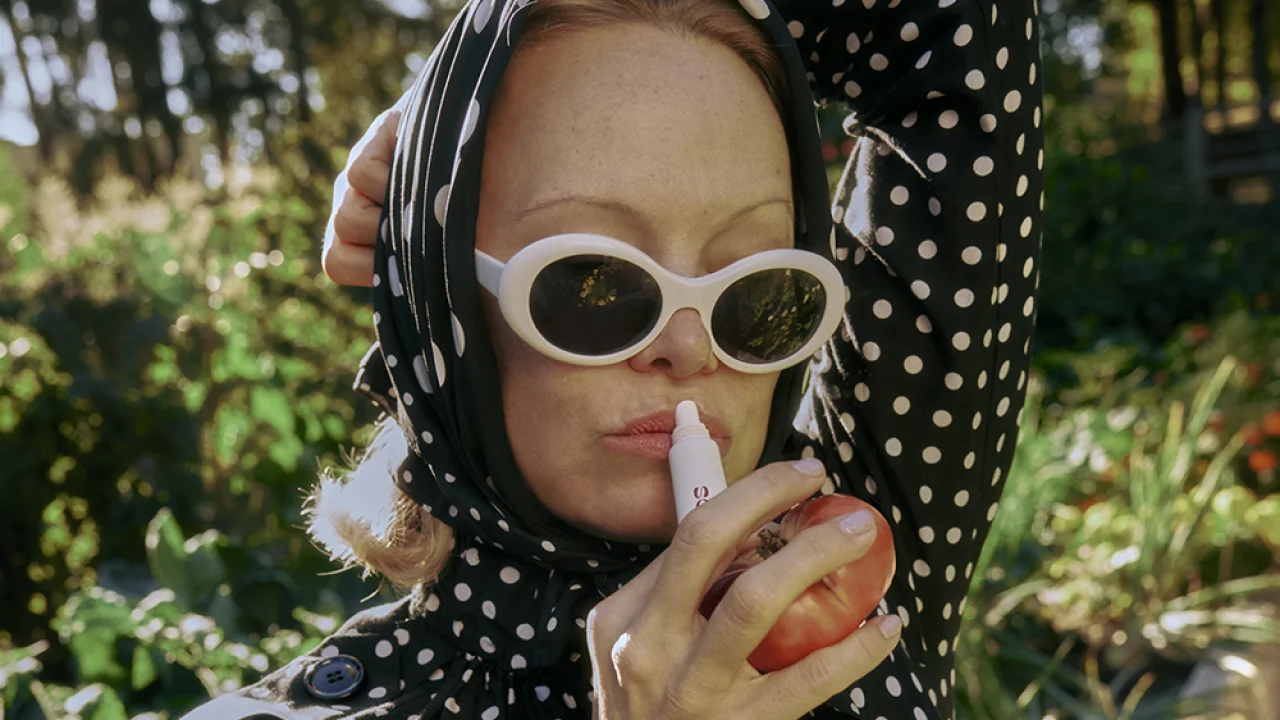
During the 2024 fashion seasons, several high-profile older women walked for major brands, and household names like Dame Helen Mirren and Andie MacDowell proudly flaunted their silver strands on red carpets. These iconic figures are helping to rewrite the “do’s and don’ts” of post-70 beauty routines—showing that **radiance and rebellion can coexist in style**.
Why hair choices matter more than ever after 70
Hair is often seen as a woman’s crown, a visible extension of her identity. After 70, women frequently face assumptions that they will—or should—retreat into practicality, cutting their locks into manageable, short styles. But today, women are pushing back against that norm.

Instead of haircuts dictated by age, women are now choosing styles that align with their personalities, lifestyles, and confidence. These choices celebrate lived experience rather than diminish it. A shoulder-length layered cut or a textured gray mane can say just as much about wisdom as it does about rebellion.
We’re seeing more women who want their outward style to match the fire they still feel inside. Hair becomes more than just a cut—it’s a personal statement.
— Lisa Murray, Senior Stylist & Aging Hair SpecialistAlso Read Why 2026’s lunar phases will look completely different than you expect
Popular hair trends redefining post-70 beauty
There’s no one look dominating the senior style scene—and that’s the point. Diversity is the new norm. Below are just some of the popular hair choices among women over 70:
- Long silver or white hair: A symbol of pride and authenticity. Embracing gray instead of covering it is now a power move.
- Layered bob: A versatile cut that flatters most face shapes and gives volume to thinning hair.
- Asymmetric pixie: Edgy, creative, and low-maintenance—perfect for expressing individuality.
- Soft curls: Whether natural or styled, curls add warmth and a touch of vitality.
The choice of hairstyle depends less on managing age-related hair changes and more on matching modern lifestyles and tastes.
Emotional impact: confidence and liberation
For many women, revamping their hairstyle after 70 has a profound emotional component. It’s not merely cosmetic—it’s psychological empowerment. Taking control of how they present themselves fosters a renewed sense of confidence and ownership over their choices.
For years, I felt invisible. Growing out my white hair and going for a softer, longer cut was like turning the lights back on in a room I’d forgotten existed.
— Margaret Lee, Age 74, Retired Educator
In addition to personal satisfaction, friends and family often respond positively, noting how these style transformations increase vibrancy and energy. Something as simple as a new haircut can represent an entirely new chapter.
The influence of aging celebrities
High-profile voices are leading the charge in reframing what beauty after 70 looks like. Consider actress Jane Fonda, who famously chopped her hair into a striking white pixie cut, or Andie MacDowell, who made headlines when she proudly flaunted her natural gray curls during international press tours.
These moments become more than fashion statements—they’re cultural resets. Seeing beloved public figures age confidently and stylishly invites everyday women to experiment with their look and feel less pressure to conform to “age-appropriate” standards.
Hair challenges after 70—and how to work with them
Aging brings its own set of hair realities such as thinning, dullness, dryness, or even hair loss. But new tools, cutting techniques, and products specifically designed for mature hair make it easier than ever to maintain healthy, expressive styles.
- Texturizing techniques can add volume and shape to thinning areas.
- Gentle coloring alternatives like low-ammonia dyes allow for subtle color play without damaging hair.
- Gloss and conditioning treatments restore shine and movement.
Stylists trained in mature hair needs understand how to balance texture with maintenance, comfort with individuality.
Winners and losers in the hair style revolution
| Winners | Losers |
|---|---|
| Women over 70 embracing expressive new looks | Outdated beauty norms based on age stereotypes |
| Stylists specializing in mature hair | One-size-fits-all haircut expectations |
| Brands offering products for gray hair | Shame-based marketing targeting aging |
How to choose a new look after 70
If you’re considering a hair reboot after 70, consider the following steps:
- Reflect on personal style preferences—not just what’s “appropriate.”
- Consult a stylist experienced in mature hair textures and needs.
- Experiment with subtle changes first, like color tone or layering.
- Use digital try-on tools or mood boards for inspiration.
- Don’t be afraid to break rules—your style, your call.
FAQs about hairstyles for women over 70
What are the best hairstyles for women over 70?
The best hairstyle is the one that makes you feel confident. Popular choices include soft bobs, long gray hair, and layered pixies.
Can women over 70 wear long hair?
Absolutely. Long hair can be elegant and empowering. Many women are embracing their length and natural gray for a bold look.
Is it better to go gray or keep coloring my hair?
It depends on your preference. Many women find freedom in embracing their natural gray, but there’s no wrong answer—just what feels right for you.
What haircuts add volume to thinning hair?
Layered bobs, pixie cuts with texture, and feathered styles can help give the illusion of fuller hair, especially when paired with volume-boosting products.
Are there special hair products for seniors?
Yes. Products formulated for aging hair include moisturizing treatments, purple shampoos to tone gray, and gentle color options.
How often should older women get a haircut?
It depends on the style. Shorter cuts may need trims every 4–6 weeks, while longer styles can be maintained every 8–12 weeks.
Can hairstyles really affect confidence?
Yes. Many women report feeling rejuvenated and more self-assured after updating their style to something more aligned with their personality.
How do I find a stylist who understands mature hair?
Seek stylists who advertise experience with aging hair or ask for referrals from women in your age group with styles you admire.
About the Author