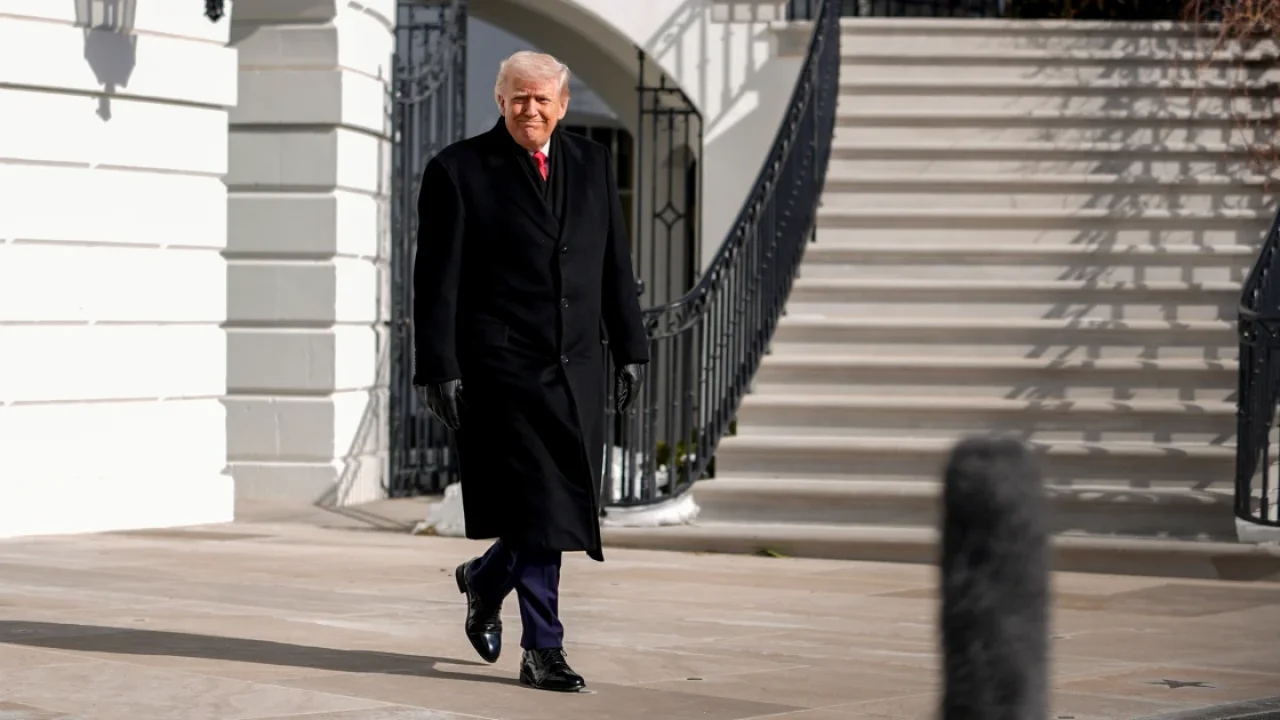
Imagine being the governor of a state with millions of residents, preparing for what’s supposed to be a routine annual meeting with the president. You’ve cleared your schedule, maybe even booked flights to Washington. Then suddenly, you’re told you might not be welcome because of the letter next to your name on the ballot.

This isn’t a hypothetical scenario. It’s exactly what happened to dozens of governors across America this week as confusion swirled around the traditional White House meeting between state leaders and the president.
The drama unfolded like a political soap opera, complete with mixed messages, public accusations, and two Democratic governors left wondering if they’re persona non grata at 1600 Pennsylvania Avenue.

The Confusion Behind the Governors White House Meeting
What should have been a straightforward bipartisan gathering turned into a full-blown political controversy. President Trump announced Wednesday that he’s inviting governors from both parties to the February 20 White House meeting, but with a notable twist – two Democratic governors won’t be getting invitations.
The excluded officials are Maryland’s Wes Moore and Colorado’s Jared Polis. Trump made the announcement on Truth Social, stating that invitations “were sent to ALL governors” except these two Democrats.

But here’s where it gets messy. The National Governors Association had initially been told by the White House that only Republican governors would be invited to the business meeting. This prompted the NGA to remove the event from their official agenda entirely.
“The bipartisan White House governors meeting is a valued tradition and an important opportunity to build bridges and hold constructive conversations,” said Brandon Tatum, CEO of the National Governors Association, clearly trying to smooth over the controversy.

The back-and-forth created a perfect storm of political confusion that left even seasoned political observers scratching their heads.
Key Players and Timeline of Events
Understanding this controversy requires tracking the key figures and their conflicting statements. Here’s what happened and who said what:
- Last Thursday: White House informs NGA that only Republican governors invited to business meeting
- Friday: NGA removes the meeting from their formal agenda due to partisan limitations
- Monday: NGA Chair Kevin Stitt sends letter to governors explaining the situation
- Wednesday: Trump posts on Truth Social, claiming all governors except Moore and Polis are invited
- Wednesday: Stitt emails fellow governors saying Trump is “inviting all governors”
| Governor | State | Party | Invitation Status |
|---|---|---|---|
| Wes Moore | Maryland | Democrat | Excluded by Trump |
| Jared Polis | Colorado | Democrat | Excluded by Trump |
| Kevin Stitt | Oklahoma | Republican | NGA Chair, called “RINO” by Trump |
| All Others | Various | Both Parties | Reportedly Invited |
Adding fuel to the fire, Trump didn’t just exclude two Democrats – he also attacked Republican Governor Kevin Stitt, who chairs the National Governors Association. Trump called Stitt a “RINO” (Republican in name only) over the handling of the meeting controversy.
One political analyst noted, “This kind of public dispute between a president and governors from his own party is unusual and suggests deeper tensions within Republican leadership.”
What This Means for State-Federal Relations
The governors White House meeting controversy isn’t just political theater – it has real implications for how states and the federal government work together on crucial issues.
These annual meetings traditionally serve as forums where governors can advocate for their states’ needs, discuss federal funding, and coordinate on everything from disaster response to infrastructure projects. When partisan politics creeps into these discussions, it can affect millions of Americans who depend on smooth federal-state cooperation.
Governor Polis’s spokesperson captured this sentiment perfectly: “Governor Polis is focused on doing what’s best for Colorado, and that includes working with Democrats and Republicans to tackle our greatest challenges.”
The practical consequences could be significant:
- Reduced coordination on disaster preparedness and response
- Complications in federal funding discussions for state projects
- Weakened bipartisan relationships among governors
- Potential impact on multi-state initiatives requiring federal support
For residents of Maryland and Colorado, the exclusion of their governors could mean less direct access to federal decision-makers. While both states have congressional delegations to advocate for their interests, governors often provide a unique perspective on state-level implementation of federal policies.
“When you start picking and choosing which state leaders get access based on party affiliation, you’re essentially telling millions of Americans that their voices matter less,” observed a former state government official who has attended similar meetings.
The controversy also highlights the ongoing tension between maintaining traditional bipartisan cooperation and the increasingly polarized political environment. The National Governors Association has prided itself on being one of the few remaining bipartisan organizations in American politics, making this dispute particularly significant.
What remains unclear is whether the excluded governors will find alternative ways to engage with the administration on behalf of their states. Some political observers suggest this could lead to more direct outreach through other channels or increased coordination with congressional delegations.
The fate of the traditional bipartisan dinner, a separate event from the business meeting, also remains uncertain. This social component has historically helped build personal relationships between governors and federal officials that can prove crucial during crises or complex negotiations.
FAQs
Why were Wes Moore and Jared Polis specifically excluded from the governors White House meeting?
Trump didn’t provide specific reasons for excluding these two Democratic governors, while inviting other Democrats to the meeting.
Is it normal for presidents to exclude governors from these meetings?
No, the annual governors White House meeting has traditionally been bipartisan, with all governors from both parties invited regardless of political differences.
What is the National Governors Association’s role in this controversy?
The NGA typically facilitates these meetings between governors and the president, but they removed this meeting from their agenda when told it would be Republicans-only.
Will the excluded governors have other opportunities to meet with the president?
While they won’t attend this specific meeting, governors can still engage with the administration through other channels and their state’s congressional delegations.
What happens to the bipartisan dinner that’s usually part of these events?
The status of the traditional bipartisan dinner remains unclear, with no official word on whether it will proceed as planned.
How many governors are typically invited to these White House meetings?
All governors from the 50 states plus territorial governors are traditionally invited, representing all 55 states and territories as mentioned by the NGA.
About the Author