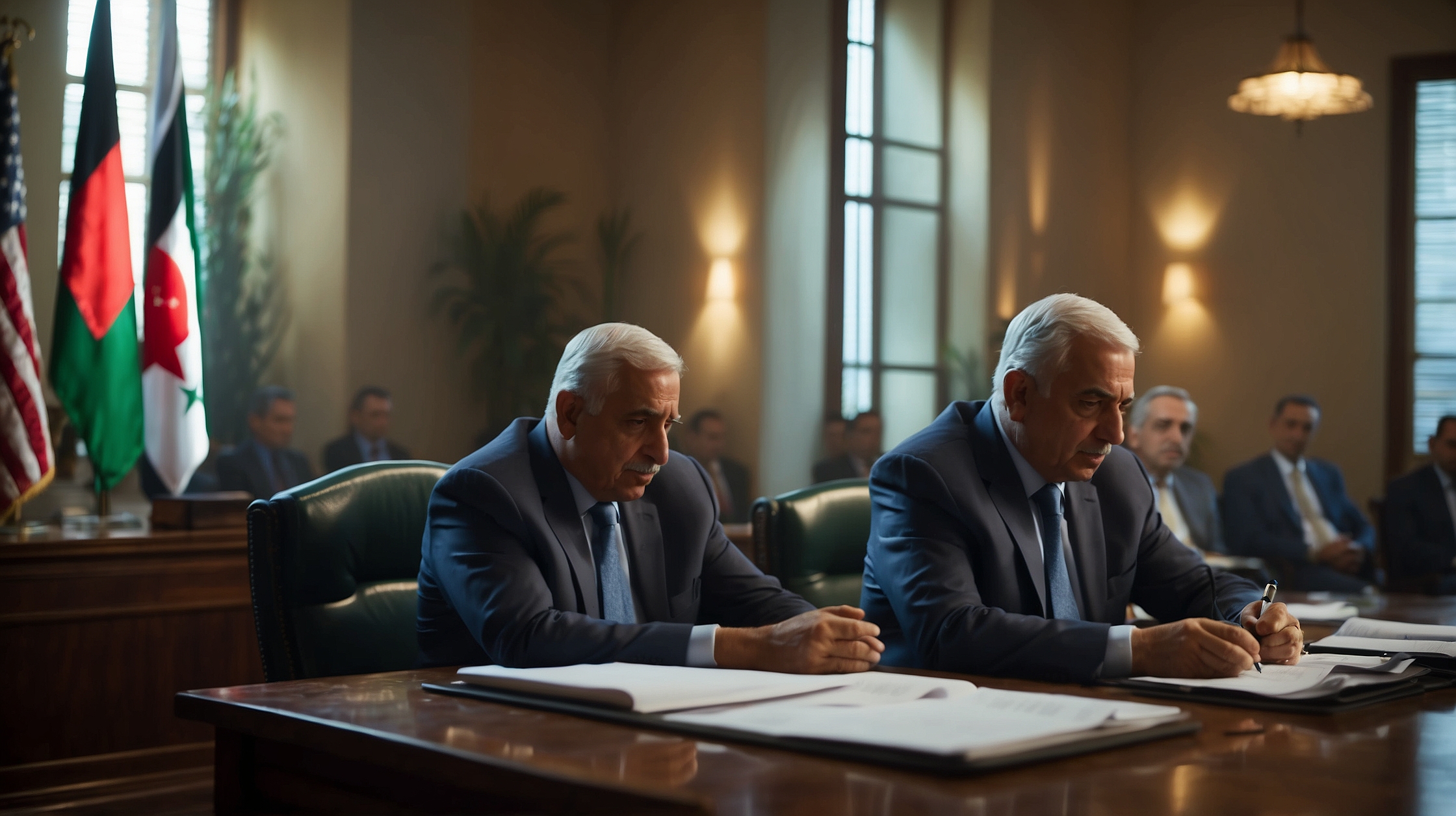

Tense deliberations have resumed as Israel and Hamas navigate a labyrinthine path toward a sustainable ceasefire agreement in Gaza. With both sides entrenched in their strategic positions and facing intense local and international pressure, the newest round of Egyptian- and Qatari-mediated negotiations has put a series of fresh, risk-laden proposals on the table. These talks mark the most significant diplomatic engagement since earlier efforts in Doha and Cairo crumbled amid deep disagreements over hostage exchanges and a long-term truce structure.

As the humanitarian catastrophe in Gaza reaches heartbreaking proportions, expectations are mounting from global stakeholders, including the United States and United Nations, for both parties to reach a much-needed resolution. The current iteration of the ceasefire deal emphasizes a phased approach, incorporating hostage releases, prisoner exchanges, humanitarian aid expansions, and steps toward reconstructing the battered enclave. Still, the path to peace remains deeply uncertain as political divides, security demands, and public opinion weigh heavily on the decision-making tables of both Jerusalem and Gaza.
Ceasefire negotiations at a glance
| Item | Details |
|---|---|
| Location of Talks | Cairo, Egypt |
| Main Mediators | Qatar, Egypt, United States |
| Phases of Proposal | Three-stage approach: Hostage release, Ceasefire, Reconstruction |
| Main Stumbling Blocks | Permanent ceasefire demand vs. Israeli security control conditions |
| Estimated Number of Hostages | 129 (Israeli hostages in Gaza, approx.) |
| Civilian Casualties (Gaza) | 35,000+ reported deaths (UN estimate) |
| International Support | Broad UN, EU, and U.S. backing for mediated truce |
What’s different about the new ceasefire proposal
The new proposal, crafted with recent input from U.S. officials and regional mediators, outlines a multifaceted deal promising a progressive de-escalation of hostilities. At the heart of the plan is a phased timeline beginning with a six-week ceasefire during which Israel would release a number of Palestinian prisoners in exchange for elderly and female Israeli hostages. This first stage would also enable large-scale humanitarian aid deliveries and allow displaced Gazans to return to their homes in northern Gaza – a region utterly devastated by intense bombardment.

The second stage proposes a longer-lasting cessation of military operations, conditional upon continued prisoner swaps and adherence to ceasefire terms by both parties. Hamas insists on this phase being a pathway toward full Israeli withdrawal, whereas Israeli leadership remains rigid in its demand for a guarantee that Hamas can no longer regroup militarily. The final phase would address Gaza’s extensive reconstruction, laying the foundations for a potential long-term stability plan, which may involve international peacekeepers or a post-conflict governing body to oversee reconstruction efforts.
Why both Israel and Hamas remain hesitant
While pressure builds to bring the war to an end, **both Israel and Hamas face internal calculations** that make compromise politically perilous. Israeli Prime Minister Benjamin Netanyahu is contending with deep divisions within his own war cabinet. One faction, led by National Security Minister Itamar Ben-Gvir, opposes any deal that doesn’t result in a **complete military defeat of Hamas** and the reoccupation of Gaza. For Hamas, yielding to a temporary ceasefire without guaranteed long-term relief risks losing credibility among its support base and resistance factions that view such negotiations as capitulation.

Militant groups in Gaza, including Islamic Jihad, have already signaled opposition to phased releases, preferring an all-at-once prisoner exchange. Furthermore, **trust is minimal**. Neither side believes the other will uphold its end of the truce without external guarantees. Past ceasefire violations loom heavily over current expectations, making every clause in the new proposal a matter of meticulous dispute.
International angle and humanitarian stakes
The Biden administration, through CIA Director William Burns and other envoys, has played an increasingly assertive role in back-channel discussions. Washington supports the proposed multi-phased agreement and is lobbying regional actors, particularly Egypt and Qatar, to exert pressure on both parties. Meanwhile, the United Nations and European countries have emphasized the need to **scale up humanitarian access immediately**, regardless of the political impasse. The humanitarian situation in Gaza has turned dire, with entire families living in makeshift shelters and waterborne diseases spreading rapidly.

“Every day this war continues, more children die needlessly from hunger, displacement, and disease. The need for a ceasefire is not just political—it’s moral.”
— Philippe Lazzarini, UNRWA Commissioner-General
With Israel’s latest military incursions targeting Rafah and central Gaza, the risk of escalation beyond repair remains high. However, signs suggest that mediators believe time is of the essence; failure to reach some form of détente in the coming days could lead to a full-scale surge that would obliterate remaining diplomatic openings.
What’s at stake for Netanyahu and Hamas leadership
Israeli leadership stands on politically shaky ground. A prolonged war could stimulate public unrest and pressure Netanyahu from oppositional factions calling for elections. Conversely, signing a deal seen as “too soft” on Hamas could unravel his current coalition. Reports suggest that the Israeli security service and military command are in favor of the phased proposal, especially given intelligence estimates that **military force alone cannot ensure hostage recovery** at this stage.
For Hamas, which has sustained substantial losses in leadership and infrastructure, the current standoff is existential. Although political leader Ismail Haniyeh remains vocal about armed resistance and Palestinian rights, internal divisions reportedly exist between Gaza-based and exile-based leadership. A constructive truce—however temporary—might secure survival, but yielding too much risks alienating militant partners and grassroots supporters alike.
Winners and losers of the negotiation process
| Winners | Losers |
|---|---|
| Hostage families (potential returns) | Civilian populations if talks fail |
| International aid groups (access enabled) | Extremist factions seeking total war |
| Moderate Cabinet voices in Israel | Both leaderships if public loses faith |
| Global diplomacy | Regional economic recovery (delayed) |
The road ahead: fragile yet necessary dialogue
Diplomats have accepted that no perfect resolution exists in this conflict. Yet, this current round of Gaza ceasefire negotiations may be the last true window for stopping a full-fledged humanitarian collapse. As mediators continue intensive rounds of shuttle diplomacy, the coming days are likely to test not only the political will of Israel and Hamas but also the strength of international instruments in halting deeply embedded conflicts.
No timetable is firmly set for a conclusive agreement, yet participants inside the talks have expressed cautious optimism. Egypt has proposed a mid-May deadline to finalize high-level terms or risk disengagement from the process altogether. The next 72 to 96 hours may prove decisive.
“This is a narrow corridor, but it’s a chance still worth walking. Peace comes slowly in the Middle East, but not trying is worse than failing.”
— Sheila Habib, Senior Peace Analyst
Frequently asked questions (FAQs)
What is the current status of the Gaza ceasefire talks?
Negotiations have resumed in Cairo, with phased proposals under review. While both Israel and Hamas remain cautious, mediators are pushing for an initial six-week ceasefire to begin soon.
How many hostages are still in Gaza?
Approximately 129 Israeli hostages are believed to remain in Gaza. Their release is tied to phased prisoner exchanges under the current proposal.
What role is the U.S. playing in negotiations?
The U.S. is acting as a co-mediator alongside Qatar and Egypt, with senior intelligence officials directly involved in facilitating dialogue and drafting proposal terms.
Why is Hamas hesitant to agree to the deal?
Hamas seeks assurances of a permanent ceasefire and full Israeli withdrawal, fearing temporary truces may lead to resumed attacks without meaningful gains for Palestinians.
What are Israel’s biggest concerns in the deal?
Israel insists that Hamas must be militarily neutralized and wants oversight on aid entering Gaza to prevent Hamas rearming.
How would aid reach civilians during the ceasefire?
Under the proposal, humanitarian corridors and monitored crossing points would be established, facilitated by international entities, to bring food, water, and medicine into Gaza.
Is this ceasefire agreement likely to become permanent?
The current deal is structured in stages, with permanence dependent on successful execution of the initial phases. Both sides remain skeptical but are under intense pressure to comply.
About the Author