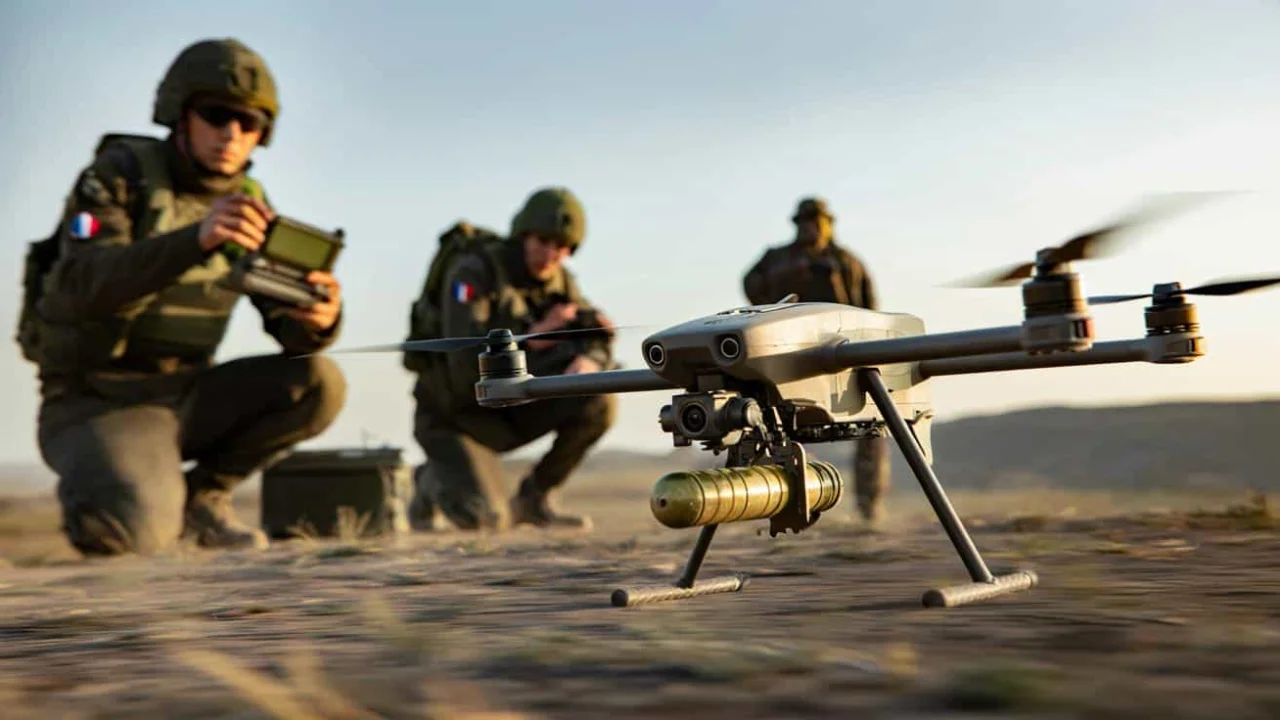
Captain Dubois watches the small quadcopter disappear behind a hill on the French training range, its electric hum fading into silence. Twenty minutes later, a distant explosion echoes across the valley. When the smoke clears, the concrete bunker target has a precise hole punched through its reinforced wall.
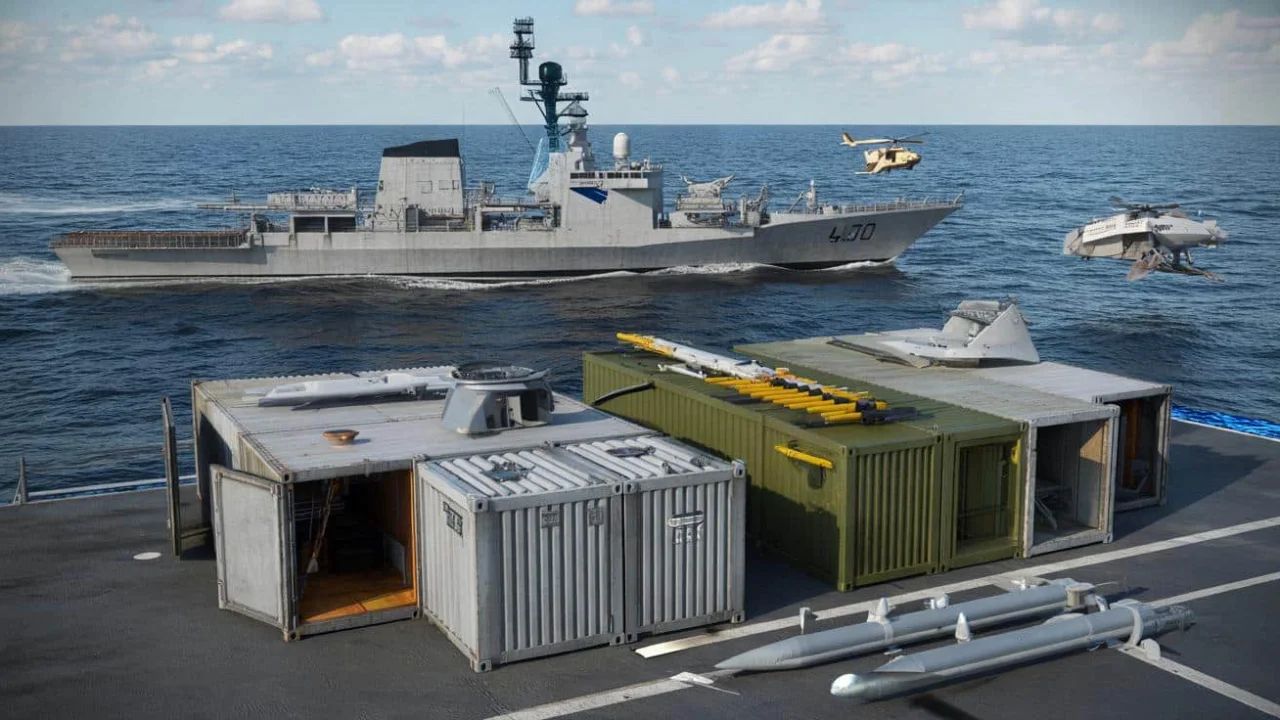
What just happened wasn’t science fiction. It was the latest test of a weapon system that started as a weekend hobby project between two French paratroopers and has now become one of Europe’s most promising answers to the drone warfare revolution.
The Fronde 2.0 loitering munition represents something remarkable in military development: a grassroots innovation that bubbled up from the ranks rather than trickling down from defense contractors. And it just hit a milestone that could reshape how armies think about precision strikes.
From Racing Drones to Combat Weapons
Back in 2022, two soldiers from France’s elite 1st Parachute Hussars Regiment were watching footage from Ukraine with growing unease. Enemy forces were using cheap consumer drones to devastating effect, while their own units lacked affordable precision weapons for close-range threats.
One of these soldiers happened to fly first-person-view racing drones as a hobby. These aren’t your typical camera drones – they’re built for speed and agility, piloted through immersive goggles that put you right in the cockpit. The lightbulb moment came when they realized this technology could bridge a critical gap in their arsenal.

“We needed something between a rocket launcher and a full missile system,” explains a military source familiar with the project. “Something a soldier could carry, deploy quickly, and use to hit hardened targets with precision.”
The Fronde 2.0 loitering munition emerged from this need. Unlike traditional missiles that follow a predetermined path, this system gives operators real-time control until the moment of impact. Think of it as a guided projectile that can change its mind mid-flight.

Technical Specifications That Matter
The latest milestone for the Fronde 2.0 system involves successfully completing extended-range testing and proving its effectiveness against various target types. Here’s what makes this loitering munition stand out:
| Specification | Fronde 2.0 |
|---|---|
| Operating Range | 50-2,000 meters |
| Flight Duration | Up to 30 minutes |
| Payload | Repurposed explosive charge |
| Control Method | First-person-view goggles |
| Weight Category | Soldier-portable |
| Target Types | Armored vehicles, bunkers, fortified positions |
Key advantages of the system include:
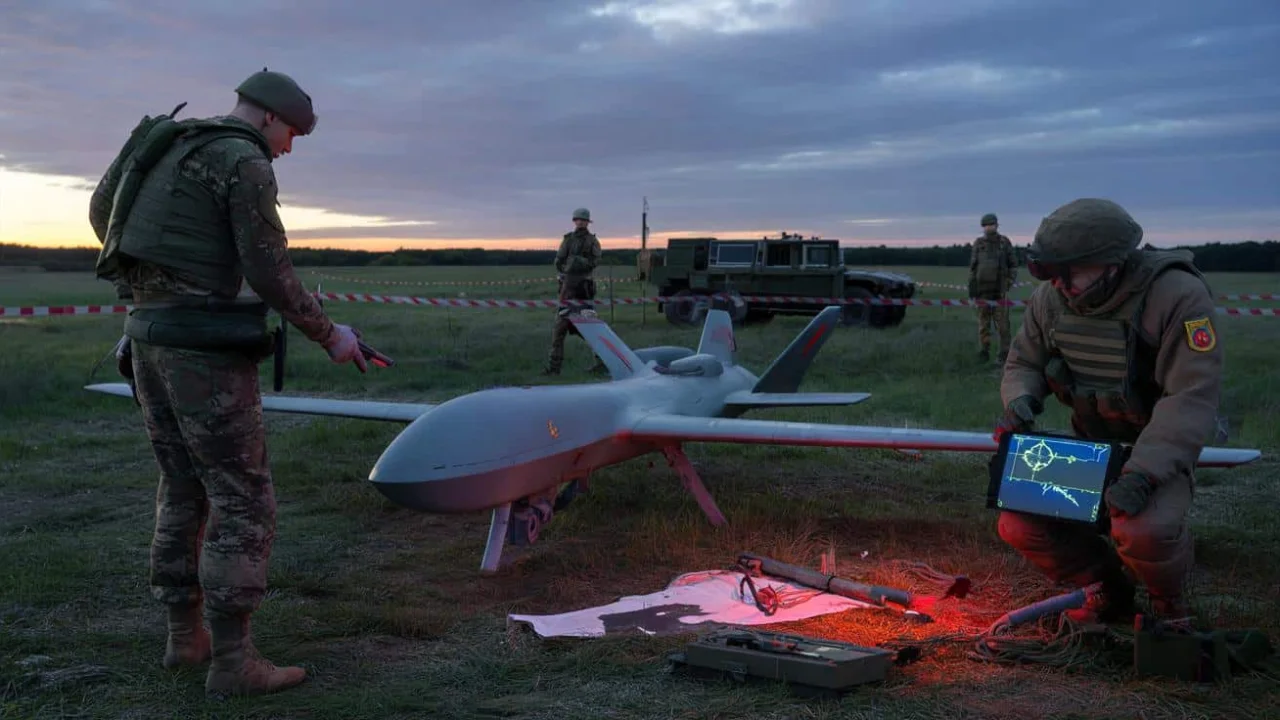
- Real-time target assessment and engagement decisions
- Ability to abort missions or switch targets mid-flight
- Low-cost alternative to traditional guided missiles
- Minimal logistics footprint compared to heavy weapons
- Rapid deployment by individual soldiers or small teams
- Stealth approach capabilities due to small size and electric propulsion
The recent milestone testing demonstrated the weapon’s ability to successfully engage targets at maximum range while maintaining precise control. According to sources, the system achieved hit rates comparable to much more expensive guided munitions during the trials.
“The beauty of this approach is that it puts decision-making power right back in the hands of the soldier,” notes a defense technology analyst. “You’re not firing and forgetting – you’re actively piloting the weapon to its target.”
Real-World Impact on Modern Warfare
The success of the Fronde 2.0 loitering munition signals a broader shift in how military forces approach precision strikes. Traditional guided missiles can cost tens of thousands of dollars per shot, making them impractical for many tactical situations. Meanwhile, basic drones lack the punch to take out hardened targets.
This capability gap has become painfully obvious in recent conflicts. Small units often face situations where they need precision firepower but can’t justify calling in expensive air-to-ground missiles or artillery strikes.
The French military’s approach of developing solutions from within their own ranks reflects a growing recognition that innovation doesn’t always come from major defense contractors. Sometimes the best ideas emerge from soldiers who understand battlefield realities firsthand.
“We’re seeing armies around the world realize they need to be more agile in adopting new technologies,” explains a military procurement expert. “The traditional 10-year development cycle doesn’t work when warfare is evolving this rapidly.”
For allied forces, the Fronde 2.0 represents a potential game-changer in several scenarios:
- Urban combat situations where collateral damage must be minimized
- Counter-insurgency operations requiring precise target engagement
- Force protection missions against fortified enemy positions
- Special operations requiring covert precision strikes
The system’s low profile and electric propulsion make it particularly valuable for missions where stealth is paramount. Unlike rockets or missiles that announce themselves with smoke trails and loud launches, the Fronde 2.0 can approach targets almost silently.
Defense manufacturers are taking notice too. The success of this grassroots development project is pushing established companies to reconsider their own research and development approaches. Some are now actively seeking partnerships with military units to identify similar innovation opportunities.
Looking ahead, the French military is evaluating options for broader deployment of the Fronde 2.0 system. Initial production runs could begin within the next year, with potential export opportunities for allied nations following shortly after.
The weapon’s modular design also opens doors for future upgrades. Enhanced sensors, longer-range capabilities, and specialized warheads are all possibilities as the platform matures.
Perhaps most significantly, the Fronde 2.0’s development model – starting with soldier insights and rapid prototyping – is becoming a template for other military innovation projects. This bottom-up approach to weapons development could accelerate the pace at which armed forces adapt to new battlefield realities.
FAQs
What makes the Fronde 2.0 different from regular drones?
Unlike surveillance drones, the Fronde 2.0 loitering munition carries an explosive payload and is designed specifically as a precision weapon system controlled through first-person-view goggles.
How much does the Fronde 2.0 cost compared to traditional missiles?
While exact costs haven’t been disclosed, the system is designed to be significantly cheaper than conventional guided missiles while offering similar precision capabilities.
Can the Fronde 2.0 be used in bad weather?
The system’s electric propulsion and compact design allow it to operate in various weather conditions, though extreme weather may affect flight duration and control accuracy.
Who can operate the Fronde 2.0 loitering munition?
The system is designed for use by trained soldiers, with controls similar to those used in FPV drone racing, making it accessible to personnel with basic drone piloting experience.
When will the Fronde 2.0 be available to other military forces?
The French military is currently evaluating broader deployment options, with initial production potentially beginning within the next year and export possibilities for allied nations thereafter.
What happens if the operator loses connection with the drone?
Safety protocols are built into the system to handle communication failures, though specific details about these measures haven’t been publicly disclosed for security reasons.
About the Author