Imagine a French air force pilot sitting in a cockpit somewhere over the Mediterranean, staring at radar screens that feel like they belong in a museum. The technology keeping watch over French airspace was cutting-edge when the Berlin Wall still stood, but now struggles to compete with threats that didn’t even exist a decade ago.
This isn’t just about old planes getting replaced. For millions of Europeans, these aging surveillance aircraft represent the difference between early warning and being caught off guard when the next crisis hits. That pilot’s outdated radar could mean the difference between intercepting a threat or watching helplessly as it slips through undetected.
Now France is placing a big bet on Swedish technology to solve this problem, but the real challenge isn’t buying new planes—it’s completely rewiring how the country’s military thinks and fights.
Why France’s GlobalEye AWACS deal is bigger than just new aircraft
France has committed to purchasing two Saab GlobalEye airborne early warning and control aircraft from Sweden, with deliveries scheduled between 2029 and 2032. The deal includes comprehensive ground equipment, training packages, and an option for two additional aircraft down the road.
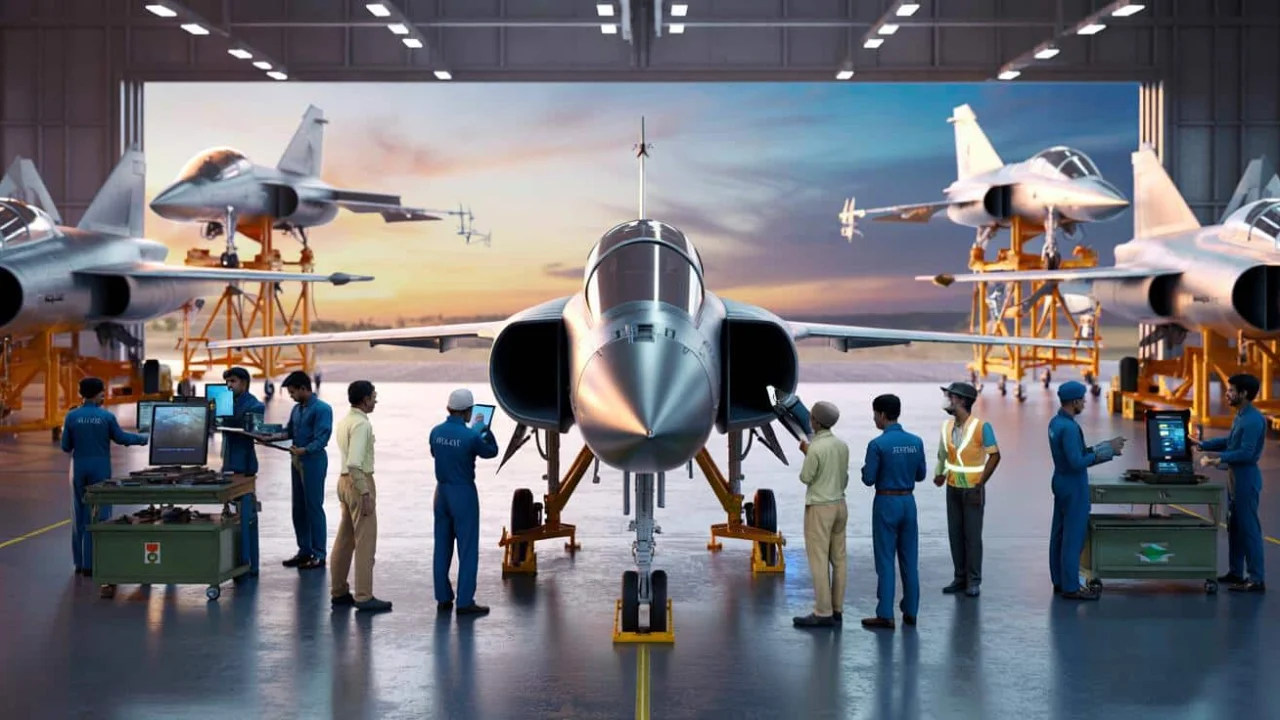
These sophisticated surveillance planes will replace France’s aging E-3F AWACS fleet, which has been patrolling European skies since the Cold War era. Built on outdated Boeing 707 airframes, the current fleet faces mounting maintenance costs and growing vulnerability to modern missile systems.
“The GlobalEye represents a quantum leap in surveillance capability, but France’s real challenge lies in integrating this technology into a completely reimagined defense network,” explains a senior European defense analyst who requested anonymity due to the sensitive nature of ongoing negotiations.
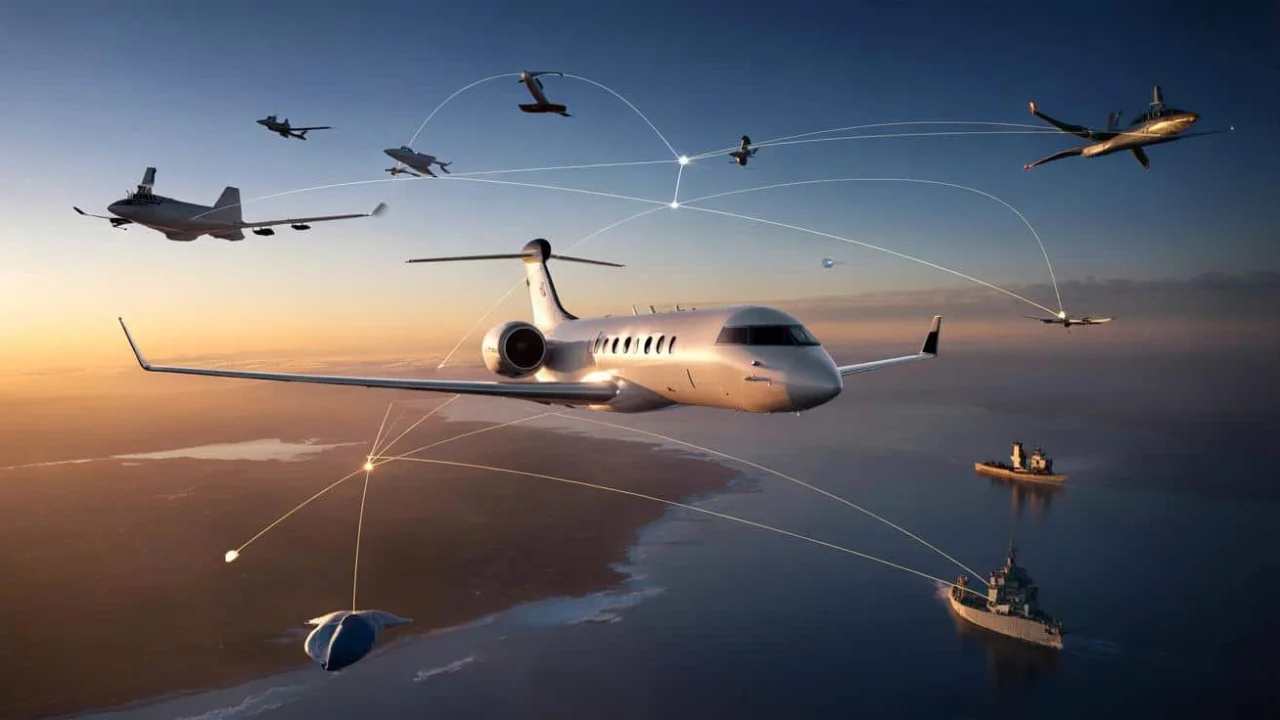
The GlobalEye aircraft uses the proven Bombardier Global 6000 business jet platform, equipped with advanced radar systems capable of tracking aircraft, missiles, naval vessels, and select ground targets across vast distances. For France, choosing Swedish technology over American alternatives signals a strategic shift toward deeper European defense cooperation.
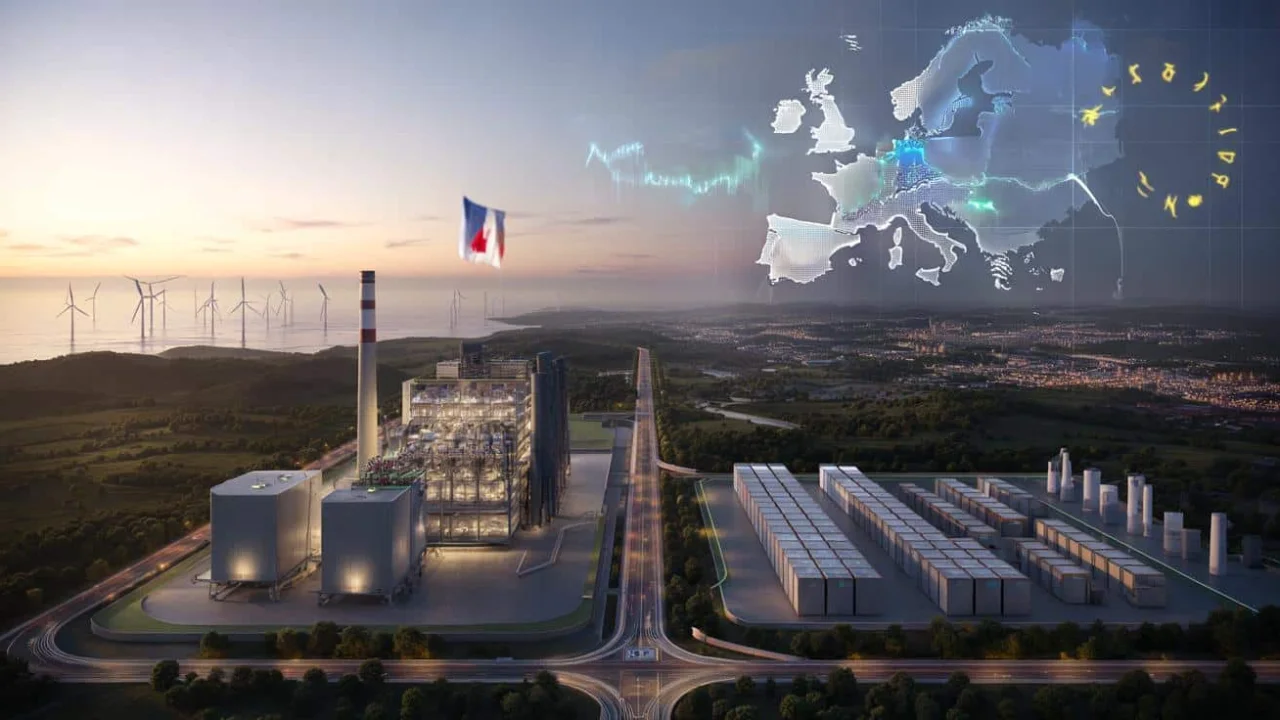
But here’s where things get complicated. France isn’t just buying two planes—it’s attempting to transform its entire “kill web,” the interconnected system of sensors, command centers, and weapons platforms that work together to detect, track, and neutralize threats.
The technical challenge: Building France’s next-generation defense network
The France GlobalEye AWACS purchase represents just one piece of a much larger puzzle. French military planners must now figure out how to connect these new surveillance aircraft to existing and planned defense systems across multiple domains.
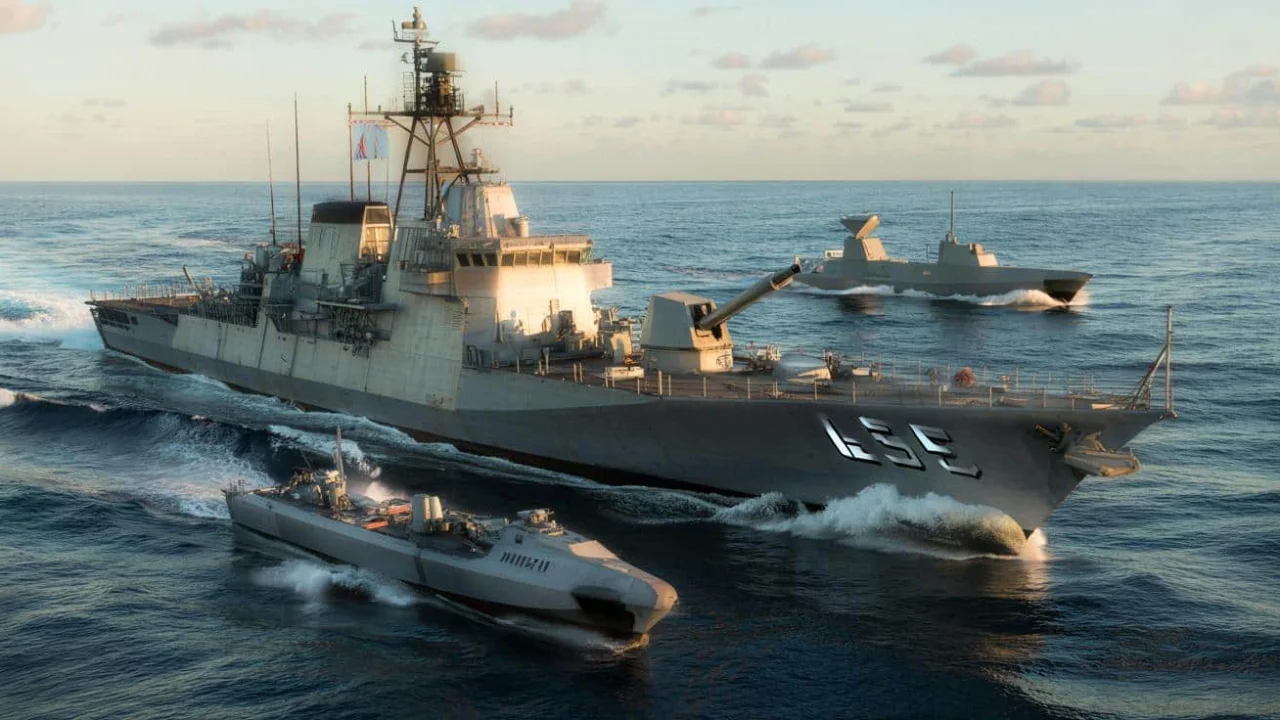
| System Component | Current Status | Integration Challenge |
|---|---|---|
| GlobalEye AWACS | Ordered (2029-2032 delivery) | High – New platform requires complete network integration |
| Space-based sensors | In development | Medium – Technology still maturing |
| Ground command centers | Upgrading | High – Legacy systems need major overhaul |
| Fighter aircraft | Mixed fleet (Rafale, others) | Medium – Data link compatibility issues |
| Naval platforms | Operational | Low – Existing NATO standards help |
The key challenges facing French defense planners include:
- Data fusion complexity: Combining information from satellite sensors, ground radars, naval systems, and the new GlobalEye aircraft into a single, coherent picture
- Real-time communication: Ensuring all platforms can share information instantly, even in contested electronic warfare environments
- Interoperability standards: Making French systems work seamlessly with NATO allies and European partners
- Cybersecurity concerns: Protecting the entire network from sophisticated cyber attacks that could blind or mislead defense systems
“France has roughly five years to get this right, and the technical hurdles are immense,” notes a former NATO intelligence officer familiar with airborne surveillance programs. “It’s not just about plugging in new hardware—it’s rebuilding the entire nervous system of French air defense.”
The timeline pressure is real. France’s current E-3F fleet will need retirement soon, and there’s limited overlap between the old and new systems. Any delays in integration could leave dangerous capability gaps just as European security concerns are intensifying.
What this means for European defense and everyday security
For ordinary Europeans, France’s GlobalEye AWACS program might seem like abstract military planning, but the implications reach far beyond defense circles. These surveillance aircraft serve as the early warning system for threats ranging from hostile aircraft to incoming missiles.
The success or failure of France’s kill web transformation could determine how quickly European allies respond to future crises. In practical terms, that means the difference between having minutes or hours to react to airborne threats approaching major population centers.
“When you’re talking about surveillance aircraft, you’re really talking about time—time to make decisions, time to scramble interceptors, time to warn civilians,” explains a European defense contractor involved in similar programs. “Every minute of early warning can save thousands of lives.”
The France GlobalEye AWACS deal also reflects broader shifts in European defense strategy. By choosing Swedish technology over American alternatives, France is betting on European defense industrial cooperation at a time when transatlantic relationships face uncertainty.
For Sweden’s Saab, the French contract validates their GlobalEye platform and could open doors to additional European customers. The success of this program might encourage other European nations to standardize on the same technology, creating economies of scale and improved interoperability.
However, the integration challenges France faces aren’t unique. Other European nations upgrading their surveillance capabilities will encounter similar technical and organizational hurdles. France’s experience could become a template—either positive or cautionary—for the rest of Europe.
The broader question is whether European defense companies can deliver the sophisticated, integrated systems that modern threats require. The France GlobalEye program represents a critical test case for European defense industrial capabilities in an era of renewed great power competition.
FAQs
What exactly is the GlobalEye AWACS that France is buying?
The GlobalEye is a modern surveillance aircraft built by Sweden’s Saab on a Bombardier business jet platform, equipped with advanced radar systems for tracking aircraft, missiles, and ships over long distances.
Why is France replacing its current surveillance aircraft?
France’s current E-3F AWACS fleet is based on Cold War-era technology that’s increasingly expensive to maintain and vulnerable to modern missile threats.
What does “kill web” mean in this context?
A kill web refers to the interconnected network of sensors, command systems, and weapons platforms that work together to detect, track, and neutralize threats.
When will the new GlobalEye aircraft be operational?
France expects to receive its two GlobalEye aircraft between 2029 and 2032, with training and integration work extending the timeline for full operational capability.
Why did France choose Swedish technology over American alternatives?
The choice signals France’s preference for European defense cooperation and reduces dependence on American military technology and export controls.
How will this affect other European countries?
France’s experience with GlobalEye integration could influence other European nations considering similar surveillance aircraft upgrades, potentially creating standardization opportunities across the continent.
About the Author