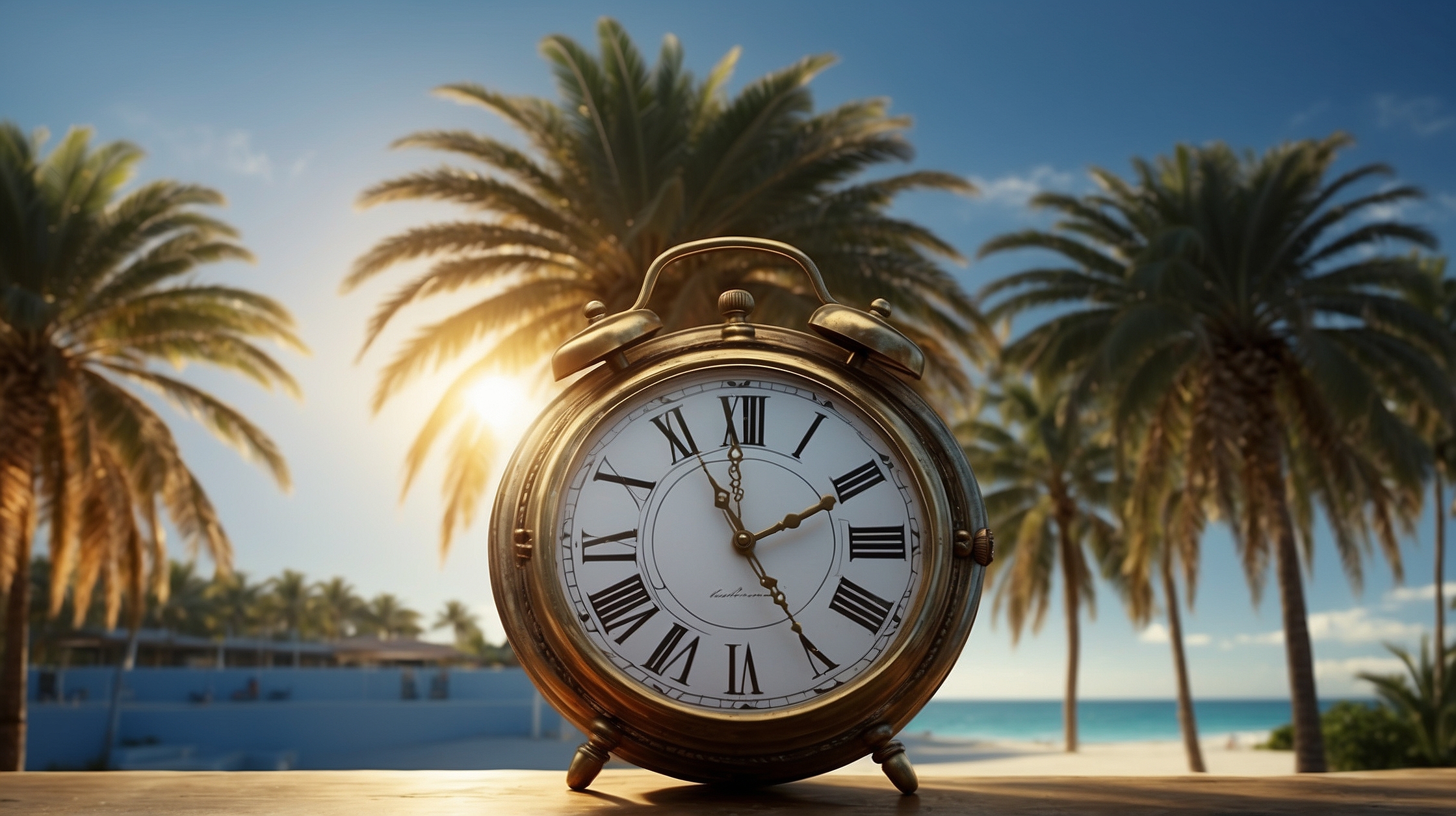
As Floridians ready themselves for yet another seasonal time change, one question keeps coming up year after year: When exactly does Daylight Saving Time (DST) begin and end in Florida for 2026? This seemingly simple shift in clocks has wide-reaching impacts that ripple across everything from public safety to mental health to energy consumption. Although many states regularly observe DST as a matter of routine, the Sunshine State has a unique legislative background and has been seeking federal approval to make Daylight Saving Time permanent. Until that change potentially happens, Floridians must continue to spring forward and fall back like the rest of the country — and 2026 is no exception.

Whether you’re commuting to work, coordinating with colleagues in different time zones, or just trying to avoid being late to Sunday brunch, understanding exactly when this time change takes place is crucial. In 2026, the time shift brings a mix of pros and cons — and navigating that properly starts with knowing the precise dates and lifetable changes involved. Here’s everything Florida residents need to know about Daylight Saving Time in 2026, including expert opinions, tips to adjust smoothly, and legislative context on why this biannual routine continues despite widespread complaints.
Key Daylight Saving Time 2026 dates and details for Florida
| Event | Date | Action | Time of Change |
|---|---|---|---|
| Start of Daylight Saving Time | Sunday, March 8, 2026 | Clocks move forward 1 hour | 2:00 AM → 3:00 AM |
| End of Daylight Saving Time | Sunday, November 1, 2026 | Clocks move back 1 hour | 2:00 AM → 1:00 AM |
What changed this year
For 2026, the time change schedule remains consistent with what Floridians have come to expect. Clocks “spring forward” on the second Sunday in March and “fall back” on the first Sunday in November. What’s important to note is that, despite past legislative actions by the Florida government in favor of year-round Daylight Saving Time, no federal waiver or law has been passed to make that change permanent. That leaves the 2026 DST calendar unaltered and in line with the rest of the country, barring states like Arizona and Hawaii, which do not observe DST at all.
What makes Florida’s case unique is the long-standing push from its legislators to keep DST year-round. In 2018, the Florida Legislature virtually unanimously passed the “Sunshine Protection Act” to make DST permanent. However, the change requires an act of Congress, and that has yet to materialize as of the 2026 calendar year. Until such time, residents must adapt to both the spring and fall schedule shifts annually.
Why Daylight Saving Time still matters in Florida
Although it may feel like a nuisance to some, Daylight Saving Time serves multiple purposes. Originally designed to conserve energy by maximizing daylight hours, DST continues to impact daily life across several categories.

- Energy Efficiency: Studies have shown modest reductions in electricity use during DST, particularly in early evening hours.
- Road Safety: Fewer accidents tend to occur with longer daylight in the evenings.
- Retail and Recreation: Businesses often benefit from more daylight as consumers are more active after work hours.
However, critics argue that the disadvantages — including sleep disruptions and negative health effects — outweigh the benefits. This ongoing debate keeps the topic active at both state and federal levels.
“We see a significant increase in cardiovascular issues and disrupted sleep patterns in the weeks following the time change.”
— Dr. Mariah Lewis, Sleep Specialist (UCLA Health) [Placeholder]
Winners and losers of the time change
| Winners | Losers |
|---|---|
| Retail businesses | Sleep-sensitive individuals |
| Outdoor recreation lovers | Early morning workers |
| Tourism industry | Parents with young children |
How Florida residents can prepare for the 2026 time change
Physicians and sleep experts suggest planning ahead to mitigate the negative impacts of the time shift. Here are a few tips to help your body adapt smoothly:
- Begin adjusting your sleep schedule by 10–15 minutes a few days in advance.
- Expose yourself to morning sunlight immediately after waking.
- Avoid caffeine and alcohol close to bedtime.
- Limit screen time in the hour before sleep.
- Maintain a consistent sleep and wake routine.
“The best defense against time-change fatigue is proactive sleep hygiene.”
— Dr. Leon Patel, Sleep Medicine Consultant [Placeholder]
The legislative push in Florida for permanent DST
In 2018, Florida passed the “Sunshine Protection Act,” which aimed to make DST permanent within the state. That law was signed by the governor but is not yet effective due to the need for Congressional approval. Several bills have been introduced in Congress to allow states to opt into permanent DST without federal approval, but none have passed as of 2026. This means Floridians will continue to see their clocks change twice a year — for now.
Supporters of the permanent DST change argue that standardizing time year-round would improve quality of life, reduce depression, and promote economic benefit. Opponents cite the difficulties for children catching early school buses in darkness and potential health impacts related to circadian rhythm disruptions.
Coast-to-coast implications
It’s important for Floridians to consider how time changes affect cross-state communications. From Wall Street to Silicon Valley, synchronization matters. The time change can momentarily disrupt workflows, airline schedules, and digital/calendar coordination across states. For this reason, experts recommend setting digital calendars to “auto-update” for time changes and double-checking meeting times especially around the March and November transitions.
“Organizations especially in transport and tech need to anticipate these changes strategically each cycle.”
— Samuel Wright, Technology Analyst [Placeholder]
Short FAQs about Florida Daylight Saving Time 2026
When do I set my clock forward in Florida in 2026?
Set your clock forward by one hour at 2:00 AM on Sunday, March 8, 2026.
When do I set my clock back in Florida in 2026?
Set your clock back by one hour at 2:00 AM on Sunday, November 1, 2026.
Does Florida still observe Daylight Saving Time?
Yes. Despite legislative efforts, Florida continues to follow federally mandated DST changes.
Is permanent Daylight Saving Time legal in Florida?
Not yet. The state passed a law to observe it permanently, but it requires federal approval.
How does DST affect health and mental well-being?
DST shifts can cause temporary sleep disruptions, leading to mood swings and reduced productivity.
What are the benefits of DST in Florida?
Extended daylight in the evenings leads to increased consumer activity and boosts sectors like retail and tourism.
Do smartphones and digital devices update automatically for DST?
Most modern devices adjust time automatically, but it’s safe to double-check your settings.
Will DST eventually end in Florida?
That depends on federal legislation, which has yet to pass despite state-level efforts.
About the Author