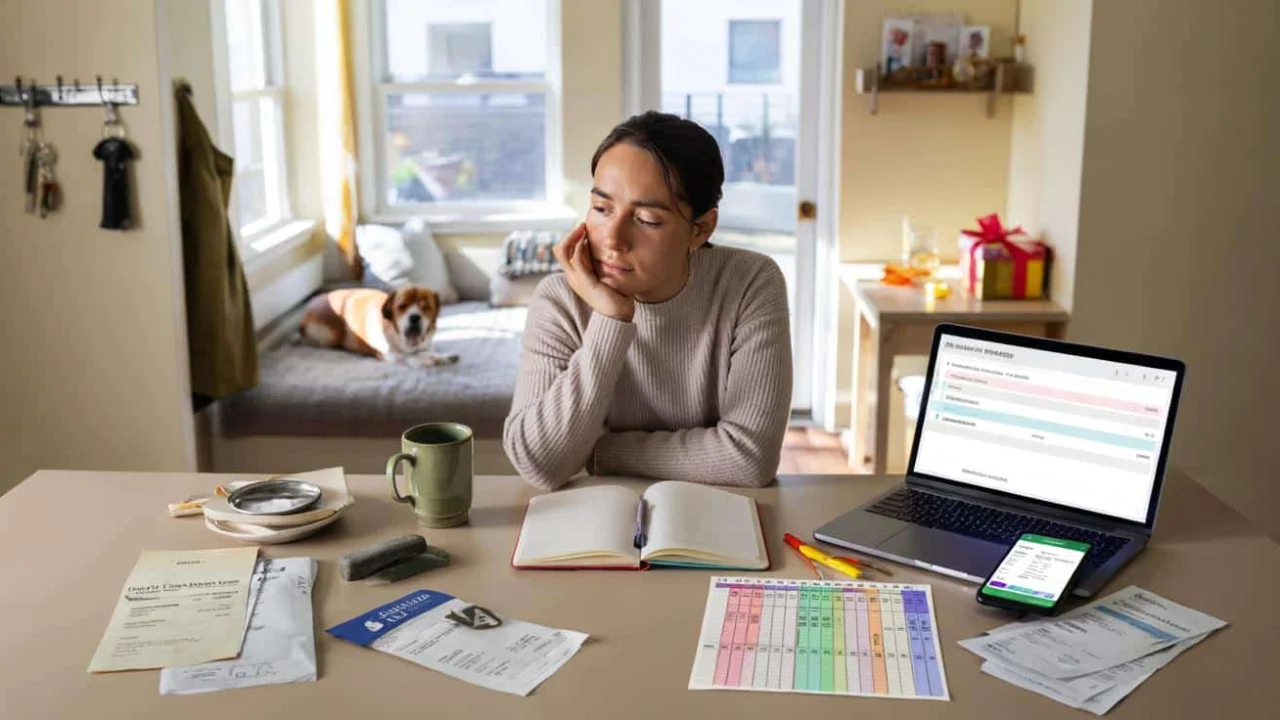
Sarah stared at the blank email draft for the third time that morning. The subject line read “Re: Project Timeline Discussion” and her cursor blinked mockingly in the empty message box. She’d opened it at 9 AM, then closed it to “grab coffee first.” Now it was 11:30, she’d reorganized her desk twice, and her heart was racing like she’d just sprinted up stairs.

The email wasn’t complicated. Her boss needed a simple update on project deadlines. Five sentences, maybe ten. But every time Sarah tried to type, her chest tightened and her mind went blank. She felt stupid, inadequate, like everyone else had some secret manual for adulting that she’d never received.
What Sarah didn’t know is that she was experiencing the emotional mechanism behind procrastination—a complex psychological response that has nothing to do with laziness and everything to do with self-protection.
When your brain hits the emotional brakes
The emotional mechanism behind procrastination operates like an overprotective security system. When we face a task that feels threatening—whether it’s writing an email, starting a presentation, or making a phone call—our brain doesn’t distinguish between a saber-toothed tiger and a performance review. The same alarm bells ring.
“Procrastination is fundamentally an emotion regulation problem,” explains Dr. Tim Pychyl, a psychology researcher who has studied procrastination for over two decades. “We’re not avoiding the task itself. We’re avoiding the negative emotions associated with it.”

These emotions lurk beneath the surface: fear of judgment, perfectionism, imposter syndrome, or simply feeling overwhelmed. Your rational brain knows the task needs to get done. But your emotional brain has other plans—it wants to escape the discomfort immediately.
The result? You find yourself scrolling social media, cleaning your apartment, or suddenly developing an urgent need to research the best pizza in your city. Anything to avoid that uncomfortable feeling.

The anatomy of emotional avoidance
Understanding the emotional mechanism behind procrastination means recognizing its different flavors. Not all procrastination looks the same, and each type serves a different emotional purpose.
| Type of Procrastination | Underlying Emotion | What It Looks Like |
|---|---|---|
| Perfectionist Procrastination | Fear of imperfection | Endless research, waiting for the “right” moment, never starting |
| Overwhelm Procrastination | Feeling incapable | Breaking tasks into smaller pieces but never starting any |
| Rejection Procrastination | Fear of criticism | Avoiding anything that requires feedback or evaluation |
| Identity Procrastination | Threat to self-image | Avoiding tasks that challenge how you see yourself |
Each type triggers what psychologists call “present bias”—our tendency to prioritize immediate comfort over long-term benefits. When faced with emotional discomfort, your brain essentially says, “Let’s deal with this later when it feels less scary.”

“The procrastinator is often someone who cares deeply about doing well,” notes Dr. Joseph Ferrari, a leading procrastination researcher. “They’re not lazy—they’re terrified of not meeting their own standards.”
The key emotional triggers include:
- Fear of failure or making mistakes
- Anxiety about being judged or criticized
- Feeling overwhelmed by the scope of a task
- Perfectionist expectations that feel impossible to meet
- Imposter syndrome and self-doubt
- Past negative experiences with similar tasks
These emotions create a feedback loop. The more you avoid, the more anxious you become about the task. The anxiety makes the task feel even more threatening, leading to more avoidance. Meanwhile, deadlines approach and stress compounds.
Why this understanding changes everything
Recognizing procrastination as emotional regulation rather than laziness transforms how we address it. Instead of berating yourself for lack of willpower, you can start addressing the real culprit: the emotions driving the avoidance.
This shift affects millions of people daily. Studies show that 20% of adults are chronic procrastinators, with rates even higher among college students and creative professionals. These aren’t inherently lazy people—they’re individuals whose emotional systems have learned to associate certain tasks with psychological threat.
“When clients understand that procrastination is emotional, not logical, they stop fighting themselves and start working with their emotions,” says therapist Dr. Ellen Hendriksen. “It’s like discovering you’ve been trying to fix a plumbing problem with a hammer.”
The practical implications are profound. Traditional productivity advice—better time management, stricter deadlines, more discipline—often fails because it addresses symptoms rather than causes. When the emotional mechanism behind procrastination isn’t addressed, people end up in cycles of temporary improvement followed by familiar patterns of avoidance.
Understanding the emotional component opens up new approaches:
- Self-compassion practices that reduce shame-based motivation
- Emotional regulation techniques like mindfulness and acceptance
- Gradual exposure to feared tasks in manageable doses
- Addressing underlying perfectionism and fear-based thinking
- Creating emotional safety around the work environment
People who learn to work with their emotions rather than against them often experience dramatic shifts. They stop spending energy fighting themselves and redirect that energy toward actual progress.
The relief alone can be transformative. Imagine no longer carrying the weight of thinking you’re fundamentally broken or lazy. Instead, you recognize that your brain is doing exactly what it was designed to do—protect you from perceived threats, even when those threats are just uncomfortable feelings about a spreadsheet.
Sarah, the woman struggling with that email, eventually learned this lesson. Instead of forcing herself to “just do it,” she acknowledged her anxiety about potentially saying the wrong thing. She wrote a deliberately imperfect first draft, sent it, and discovered the world didn’t end. Her boss responded normally, and Sarah began to understand that her procrastination had been protecting her from a threat that existed mainly in her imagination.
FAQs
Is procrastination always emotional, or can it sometimes just be laziness?
While laziness can play a role, research shows that most chronic procrastination stems from emotional avoidance rather than simple lack of motivation.
How can I tell if my procrastination is emotional or just poor time management?
Emotional procrastination typically involves anxiety, guilt, or fear around specific tasks, while time management issues are more about general disorganization without intense emotions.
Can understanding the emotional mechanism behind procrastination actually help me stop procrastinating?
Yes, recognizing the emotional component allows you to address root causes rather than just symptoms, leading to more sustainable behavior change.
What’s the first step to working with emotional procrastination?
Start by noticing and naming the emotions you feel when approaching a task you’ve been avoiding, without judgment or trying to fix anything immediately.
Is perfectionism always behind procrastination?
Perfectionism is common but not universal. Some people procrastinate due to feeling overwhelmed, fear of criticism, or identity threats rather than perfectionist standards.
How long does it take to change procrastination patterns once you understand the emotional component?
Change varies by individual, but many people notice shifts within weeks of addressing underlying emotions, though lasting change typically develops over months of consistent practice.
About the Author