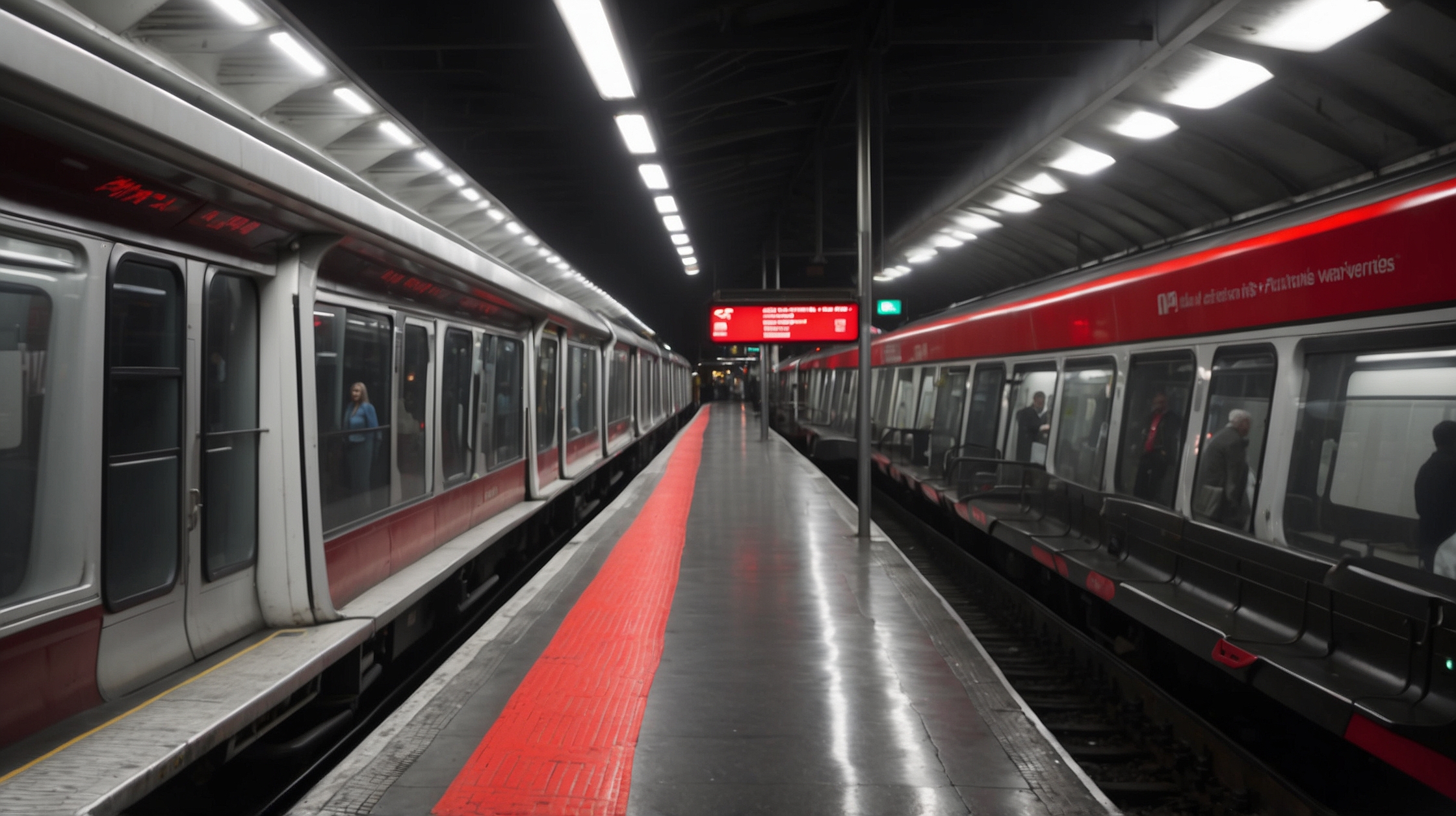

Commuters in Southern England faced significant disruption this week after a rare “do not travel” warning forced the suspension of rail services across major routes, including Southern, Thameslink, and Gatwick Express. The advisory, prompted by unexpected rail conditions, severely affected passengers traveling to and from key hubs such as London, the South Coast, and London Gatwick Airport, intensifying strain on public transportation infrastructure.

The warning reverberated across thousands of daily commutes, particularly through high-density corridors connecting London Bridge and Brighton, as well as routes serving the UK’s second-busiest airport. Rail operators and public authorities scrambled to manage the fallout, directing passengers to delay journeys and seek alternative transport. The scale of disruption renewed scrutiny over network resilience amid weather events, infrastructure maintenance backlogs, and the ongoing logistical challenges fueled by staffing constraints.
Overview of the Rail Disruption Incident
| Item | Details |
|---|---|
| Date of Disruption | April 2024 |
| Main Rail Operators Affected | Southern, Thameslink, and Gatwick Express |
| Issued Warning | “Do not travel” advisory |
| Areas Impacted | London, South Coast, Gatwick Airport routes |
| Expected Duration | Initially 24 hours, subject to review |
| Main Causes | Signaling faults, track obstructions, weather-related degradation |
How the disruption unfolded and which routes were affected
The first delays were reported early in the morning, with transport apps showing wide-scale cancellations across Southern and Thameslink lines. By mid-morning, National Rail had issued a blanket advisory urging travelers not to attempt journeys, referencing severe operational challenges. Southbound services from London Bridge along the Brighton Main Line were among the first to halt, creating cascading impacts on local and long-distance travel.

Services to Gatwick Airport were among the most critically impacted, placing pressure both on passengers catching international flights and airport staff who rely on the line for daily travel. The ripple effects extended to commuter belts in East Sussex, Surrey, and Kent, where replacement services struggled to meet demand. Train operators said services were suspended in many sections to ensure passenger safety until infrastructure reviews could be carried out.
Underlying infrastructure issues come to light
While the blanket travel ban came without much warning, transport unions and infrastructure experts were swift to highlight that chronic maintenance delays and aging rail systems had created a fragile environment for operators. Key signaling equipment south of London had been flagged for replacement but faced deferred upgrades, compounding the response challenges during periods of heavy usage or inclement weather.

“The network south of London is stretched thin, and any shock to the system exposes deep-seated vulnerabilities”
— Annabel Joyce, Rail Infrastructure Expert

Track conditions had also deteriorated through spring due to fluctuating temperatures and insufficient repair cycles. Combined with under-resourced staffing and increased weekend footfall, the southern rail network has struggled to rebound from pandemic-era service reductions, culminating in scenarios like this where authorities have little choice but to impose strict advisories.
Who was most affected by the travel warning
Passengers relying on train connections for critical appointments, work, and international travel bore the immediate brunt of the disruption. The strain was most acute for travelers who use Southern’s lines between London and coastal towns such as Brighton, Eastbourne, and Hastings. Meanwhile, families and majority low-income workers in South London boroughs saw heightened challenges in reaching workplaces or childcare commitments.
“I had to miss my shift because there was no affordable way to get to Gatwick in time. No communication, no support”
— Miriam D., Hospitality Worker
Rail replacement struggles and alternative travel heartbreaks
In response to the advisory, operators attempted to roll out limited rail-replacement bus services, but these were quickly overwhelmed. Several stations experienced overcrowding, and many stranded travellers were left with few options. Taxis and ride-hailing services saw price surges, while some passengers resorted to shared lifts or stayed overnight in London.
Air travellers voiced frustration over missed flights. The Gatwick Express, normally the most efficient rail link to the international airport, remained largely non-operational throughout the day, leaving many scrambling for last-minute accommodations or alternative routes via Victoria and London Bridge.
Communications and criticism of operational response
While railway officials stressed that every possible effort had been made to communicate updates across social media, mobile apps, and terminal signage, critics argued that many commuters received inconsistent or delayed announcements. Disparate information fed growing passenger resentment, particularly for those who invested in costly day-of tickets or who were in-transit when cancellations were issued.
The Rail Delivery Group issued an apology late in the day and promised to review transparency protocols for future incidents. However, it did little to assuage the anger of daily commuters who felt unsupported as chaos unfolded at key transfer hubs and rural stations alike.
Winners and losers in the wake of rail cancellations
| Group | Impact |
|---|---|
| Gatwick Airport travelers | Major delays, missed flights, forced to use cabs or remain stranded |
| Commuters from Brighton and South Coast | Unable to reach Central London; cancellations across morning and afternoon |
| Alternative transportation services | Spiked demand boosted earnings for cab and ride-sharing businesses |
| Operators and National Rail | Public backlash over preparedness, communication, and service continuity |
What authorities are doing to prevent recurrence
In the aftermath, rail authorities pledged a task force review combining input from Southern, Thameslink, Gatwick Express, Network Rail, and independent watchdogs. A report is expected to assess chain-of-command response, maintenance resourcing, and emergency rerouting capability. The Department for Transport has called for accelerated modernization along the Brighton Main Line and better predictive infrastructure algorithms.
“The southern corridor is one of our most vital arteries. There’s no room for outdated systems when passengers depend on stability.”
— Thomas Reynolds, Former DfT Advisor
Long-term impacts and planning ahead
Looking ahead, experts urge a comprehensive audit of the entire Southeastern and South Coast infrastructure—including tracks, signals, and workforce reliability. There are early signals that increased pressure from the public and the media may catalyse more transparency in timetable management, real-time information systems, and compensation protocols for affected travelers.
Further, many are pushing for expanded Sunday and evening services to reduce weekday strain. While this week was marred by confusion and disappointment, the hope is that it becomes a catalyst for systemic improvement and resilience.
Frequently Asked Questions
What is a “do not travel” warning?
It is a rare advisory issued by National Rail or train operators urging passengers to avoid travelling due to extreme disruptions, safety concerns, or widespread cancellations.
Which services were most affected by the warning?
Southern, Thameslink, and Gatwick Express services, especially those linking London with Brighton and Gatwick Airport.
Was compensation provided to affected rail users?
Operators encouraged passengers to apply for Delay Repay; full compensation typically applies if delays exceed industry thresholds.
Are the trains back to normal operation now?
Partial services resumed the following day, with full restoration expected after infrastructure checks. Passengers were told to check daily updates.
Why weren’t the issues detected earlier?
Multiple compounding factors, including aging infrastructure and short-notice weather impacts, likely masked underlying vulnerabilities until a breaking point.
Were alternative transport modes offered?
Limited replacement buses were dispatched, but demand far exceeded supply. Ride-sharing apps and taxis were the primary alternatives for many.
Will this kind of disruption happen again?
Authorities are conducting investigations to reduce future risk, but without immediate infrastructure investment, similar incidents remain possible.
How can travelers stay informed in real time?
Subscribing to rail operator social media channels, using live train tracker apps, and enabling push notifications for travel alerts offer the best chance for staying informed.
About the Author