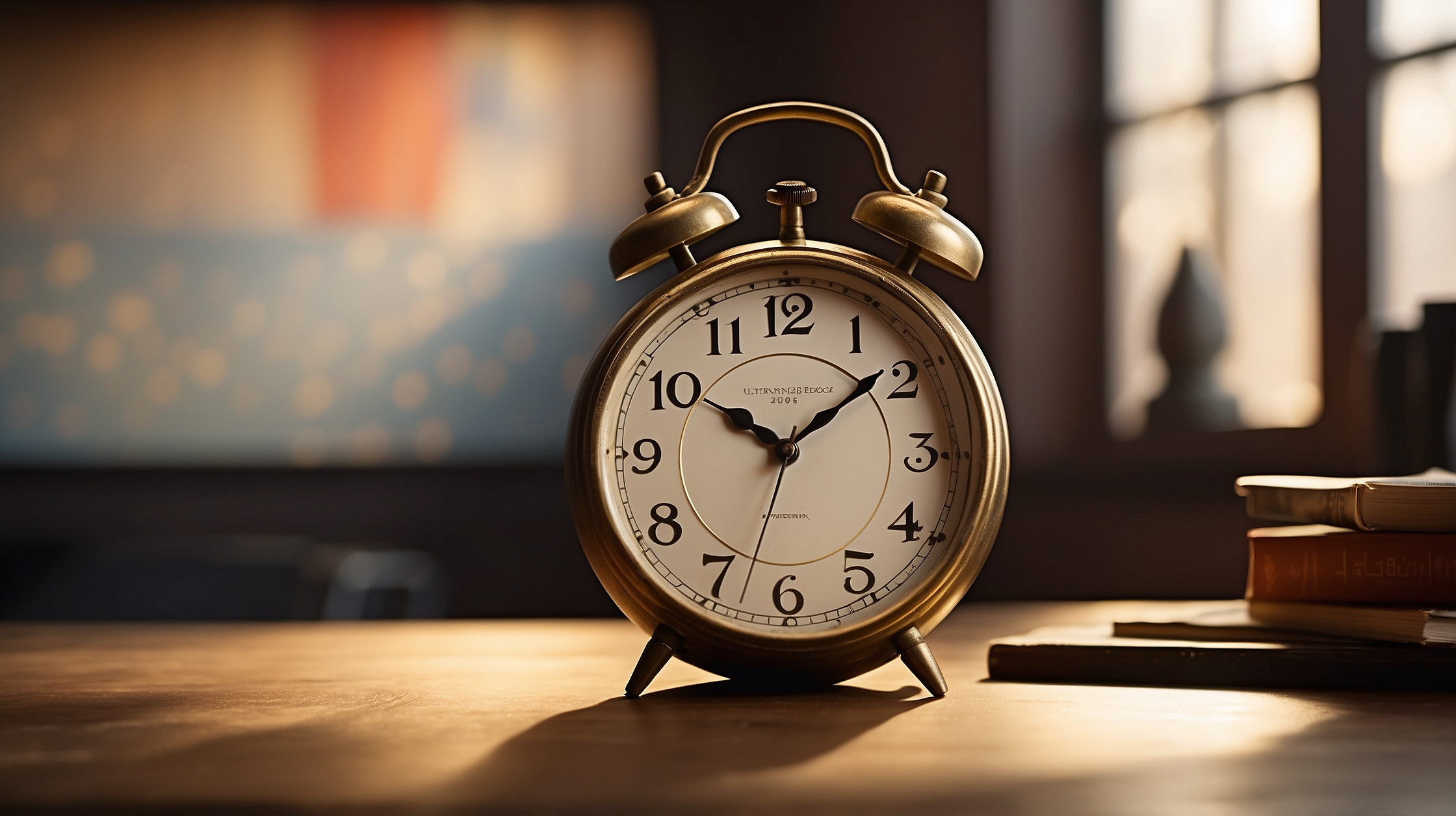
As the calendar flips into a new year, millions of Americans begin to ask the same question: when does Daylight Saving Time start—and end? In 2026, the twice-yearly clock change continues to be a much-discussed ritual, impacting everything from sleep schedules to daily routines, energy usage, and public health. Whether you’re pro-DST or can’t wait for it to be abolished, knowing exactly when to reset your clocks is crucial to staying on track.

Daylight Saving Time (DST) in the United States remains a fixture of our timekeeping system, despite attempts to permanently change or eliminate it in recent years. The tradition, originally implemented to conserve fuel during wartime and later adopted nationwide in 1966, continues to be a topic of legislation in several states. But while debates continue, clocks will once again “spring forward” and “fall back” in 2026—so prepare to lose an hour of sleep in March and gain it back in November.
Daylight Saving Time 2026 overview
| Date clocks spring forward | Sunday, March 8, 2026 |
| Time of change (spring) | 2:00 AM local standard time (becomes 3:00 AM) |
| Date clocks fall back | Sunday, November 1, 2026 |
| Time of change (fall) | 2:00 AM local daylight time (becomes 1:00 AM) |
| States that do not observe DST | Hawaii, most of Arizona, and U.S. territories |
| Total duration of DST in 2026 | March 8 to November 1 |
What to expect during the clock change
During the transition into Daylight Saving Time on March 8, 2026, clocks will jump ahead one hour at 2:00 AM local standard time. This effectively creates a 23-hour day—shortening our nighttime rest and shifting daylight hours to later in the evening. In contrast, Standard Time resumes on November 1, 2026, with clocks falling back one hour at 2:00 AM, repeating that hour and giving many Americans an extra 60 minutes of rest.
Devices connected to the internet usually update automatically—including smartphones, tablets, and smartwatches. However, analog clocks and older digital devices will require manual adjustment. It’s recommended to set these clocks forward before going to sleep the night before to avoid confusion the next morning.
Why DST is still in place
While some Americans enjoy having more daylight after work or school, evidence is mounting that the semi-annual clock changes can have disruptive effects. Researchers have linked DST to increased rates of heart attacks, workplace injuries, and even traffic accidents in the days following the shift. Still, the intended benefit of energy savings—due to reduced need for artificial light in the evenings—remains a key point of discussion among legislators.

There’s a growing awareness that our biological clocks don’t easily adjust to the abrupt time change, especially in spring.
— Dr. Lisa Reynolds, Sleep Medicine Specialist

The U.S. Senate unanimously passed the Sunshine Protection Act in 2022, which proposed to make Daylight Saving Time permanent nationwide. However, the bill has yet to pass the House of Representatives and be signed into law. Until then, the biannual ritual continues.
How to reset your clocks correctly
Whether you’re a morning person or a night owl, adjusting clocks accurately is important to avoid missed appointments or late arrivals. Here is a simple checklist to follow during each time change:

- Update wall clocks, oven clocks, and microwave timers manually
- Check vehicle dashboards and infotainment systems
- Adjust thermostats or programmable appliances that might not sync automatically
- Reconfirm calendar events and alarms, especially for early Monday commitments
Smartphones, computers, and most digital devices connected to a network will usually update on their own, but it’s good practice to double-check the morning after the switch to ensure that all devices reflect the correct time zone and date.
States that diverge from the rest of the country
While every U.S. state in the mainland observes DST, there are important exceptions. Hawaii and most of Arizona do not participate in Daylight Saving Time. Hawaii has never observed DST since becoming a state, citing its consistent sunrise and sunset times year-round. Arizona opted out in 1968, with the exception of the Navajo Nation, which does observe DST. Additionally, U.S. territories such as Puerto Rico, Guam, the U.S. Virgin Islands, American Samoa, and the Northern Mariana Islands do not observe the biannual shift.
Uniform timekeeping helps avoid confusion in systems like air travel and broadcasting, but local climates also play a big role in whether DST makes sense.
— Mark Johnson, Transportation Policy Analyst
How it may affect your body and daily life
The time change can impact your circadian rhythm, leading to temporary feelings of sleepiness, irritability, or difficulty concentrating. Several health and psychological studies have shown that it can take up to a week for some people to fully adjust. To make the transition smoother, here are a few expert tips:
- Begin adjusting your sleep schedule by 15 minutes per night starting three days before the change
- Get outside in natural light early in the day to help reset your internal clock
- Reduce screen time an hour before bed, especially on the night of the change
- Avoid caffeine and alcohol in the evening
The wider impact on industries and institutions
For sectors like transportation, healthcare, and finance, the clock change creates significant scheduling challenges. Airlines must recalibrate departure and arrival times, hospitals prepare for increased patient volume due to sleep deprivation-related issues, and stock markets need to synchronize opening times with global exchanges. Even software developers have to update time protocols to ensure accurate data logging across systems.
Schools may also see temporary dips in attendance or performance as students adapt to the new clock schedule. Employers in many regions accommodate this by allowing adjusted work hours or flexible start times during the week after a DST change.
The continuing debate around DST
The push to eliminate the clock change is gaining steam, with several recent surveys showing that a majority of Americans now oppose the biannual time shift. However, while many are in favor of sticking to one time permanently, opinions vary on whether it should be Standard Time or Daylight Time throughout the year.
There’s bipartisan support to eliminate the switch, but consensus on which time to keep is lacking. That’s the real holdup.
— Karen Ellis, Congressional Policy Advisor
Until new legislation is passed, Americans will continue to adjust their schedules twice annually. Still, it’s a tradition rooted more in history than necessity, and many wonder how much longer it will last.
FAQs about Daylight Saving Time 2026
When does Daylight Saving Time start in 2026?
Daylight Saving Time begins on Sunday, March 8, 2026, at 2:00 AM local time. Clocks will move forward by one hour.
When does Daylight Saving Time end in 2026?
It ends on Sunday, November 1, 2026, at 2:00 AM, when clocks fall back one hour to 1:00 AM.
Do I need to manually update my clocks?
Yes, for most analog clocks and appliances like ovens, microwaves, and older cars. Digital devices connected to the internet typically adjust automatically.
Which U.S. states or territories do not observe DST?
Hawaii, most of Arizona (except the Navajo Nation), and U.S. territories like Puerto Rico and Guam do not observe Daylight Saving Time.
Why do we still change clocks twice a year?
Despite growing opposition and proposed bills, federal law still requires the semi-annual time change unless Congress acts to change it.
How can I help my body adjust to the time shift?
Gradually shift your sleep schedule, get morning sunlight exposure, and maintain good sleep hygiene practices to adjust more smoothly.
Is there a chance DST will be abolished before 2026?
It’s possible but unlikely. While legislative proposals have gained traction, no federal law has passed yet to make DST permanent or abolish it entirely.
Does DST save energy?
Evidence is mixed. While DST was originally intended to reduce energy consumption, modern studies show the benefits are marginal or even negligible.
About the Author