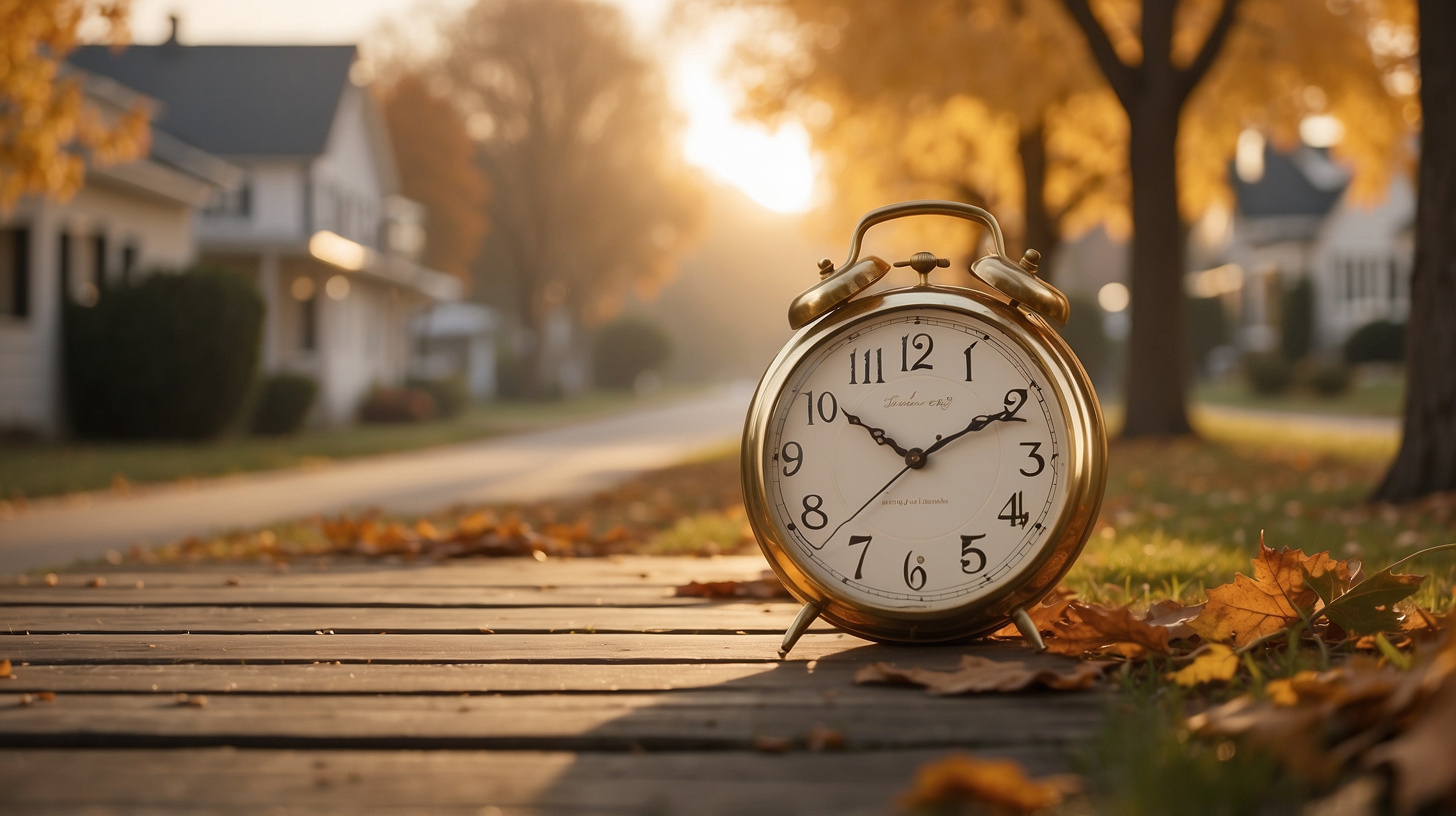
The arrival of **Daylight Saving Time 2026** marks another seasonal shift for millions of Americans, as clocks are set forward by one hour to make better use of natural daylight during the longer days of spring and summer. While the change ensures more daylight in the evenings, it also sparks widespread discussion and some confusion—especially when exactly it happens, and what the immediate impacts are.

This year, the nation will “spring forward” in March, adjusting schedules, commutes, and even sleep patterns overnight. Whether you’re an early riser or a night owl, this transition affects everything from your morning routines to national transportation schedules. Although the change happens every year, there are always new factors to consider, from legislative changes to health studies, making the 2026 transition important to understand thoroughly.
Here’s everything you need to know about **Daylight Saving Time in 2026**—when it happens, what changes, and how to navigate the shift smoothly.
Daylight Saving Time 2026 Overview
| Event | Daylight Saving Time Begins |
|---|---|
| Date | Sunday, March 8, 2026 |
| Time of Change | 2:00 AM (local time) |
| What Changes | Clocks move forward by one hour (e.g., 2:00 AM becomes 3:00 AM) |
| Length of Day | Shortened by one hour overnight |
| Applies To | Most U.S. states (except Hawaii and much of Arizona) |
When Daylight Saving Time starts in 2026
In 2026, **Daylight Saving Time officially begins on Sunday, March 8** at 2:00 AM local time. At that moment, clocks advance one hour forward, becoming 3:00 AM instantly. This shift essentially shortens the night by one hour but offers a longer span of daylight in the evening hours moving forward.
The purpose of DST is to make better use of daylight during the longer spring and summer months. While this practice has been in place for decades, reminders are always essential, as missing this change can lead to missed appointments, disruptions in travel, or simply being off by an hour in daily activities.

What changed this year
While the structure of Daylight Saving Time remains the same in 2026, there continue to be **legislative and public health discussions** surrounding its benefits and drawbacks. Some states have pushed for year-round daylight saving or to eliminate it altogether, but as of now, no federal legislation has permanently changed the national timeline.
Experts and lawmakers have elevated discussions on whether continuing the biannual clock change is worth its disruption to daily life. However, in 2026, the transition is still scheduled according to long-standing rules set by the **Energy Policy Act of 2005**, which extended Daylight Saving Time into early March.

Many people experience a kind of ‘social jet lag’ after we spring forward, particularly in the first few days. This can lead to sleep loss and even accidents on the road.
— Dr. Megan Andersen, Sleep Research Scientist

Who is affected by the time change
**Anyone residing in states observing Daylight Saving Time** will need to change their clocks. That includes 48 states and U.S. territories, excluding **Hawaii and most of Arizona**, where DST is not observed due to their unique climate and daylight needs. U.S. territories like **Puerto Rico**, **Guam**, and the **U.S. Virgin Islands** also do not participate.
The change affects a wide spectrum of activities and sectors—everything from school start times to flight and train schedules, business meetings, and even smartphone updates. Even though most devices adjust automatically, manual clocks will still need to be updated, especially those in cars, ovens, or analog systems.
How to prepare for the shift
To ensure a smooth transition, experts recommend making minor changes to your schedule in the days leading up to the clock change. Consider shifting your bedtime and wake-up time by **10–15 minutes earlier** each night for a few days before March 8th. Doing so can help your body adjust organically to the new time.
Additionally, be cautious with activities that require increased focus, such as driving or operating machinery, particularly on the Monday after the change. Studies show an increase in workplace injuries and traffic accidents immediately following Daylight Saving Time due to **disruption in sleep cycles**.
It’s not the clock that changes our biology—it’s the abrupt loss of that one hour of sleep. Adults and children alike need a strategy to reset their internal clocks without significant stress.
— Dr. Laura Smith, Clinical Psychologist and Circadian Rhythm Specialist
The science behind losing an hour
The primary culprit of post-DST grogginess is a lost hour of sleep—and it’s more impactful than many might anticipate. When clocks spring forward, people often get **chronically less sleep** in the following days due to a mismatch between their internal circadian rhythm and external clock time.
Scientific studies have found correlations between **DST transitions and increases in heart attacks, workplace injuries, and decreased cognitive performance**. While these effects are temporary, they reinforce the importance of preparing in advance and not underestimating the biological toll of the change.
Travel and schedule implications
The move to Daylight Saving Time can have significant implications for **domestic and international travel**, especially when crossing time zones. Airlines, trains, and buses adjust their schedules precisely at 2:00 AM on March 8, meaning a miscalculation can easily result in missed departures or arrivals.
Those conducting business with colleagues overseas also need to double-check calendar invites and time conversion tools to ensure appointments remain accurate. For at least one to two weeks, discrepancies between global time zones and U.S. time may affect international communication.
Daylight Saving Time winners and losers
| Winners | Losers |
|---|---|
| Evening outdoor activity enthusiasts | Early risers who lose morning light |
| Retail and recreation businesses | Sleep-deprived parents and children |
| Tourism and hospitality industries | Healthcare workers tracking rises in health issues |
| Commuters enjoying well-lit evenings | Nightshift workers with sudden sleep loss |
Looking ahead toward fallback
While the focus now is on “springing forward,” the **end of Daylight Saving Time** in the U.S.—often called “fall back”—will arrive later in the year, on **Sunday, November 1, 2026**, when clocks move back one hour. That transition gives the gift of an extra hour of sleep but introduces its own set of challenges to routines, especially during shorter daylight hours.
The continued national debate on removing or reforming DST may eventually lead to widespread change, but for now, Americans should remain alert and prepared each March and November.
FAQs about Daylight Saving Time 2026
What date does Daylight Saving Time begin in 2026?
Daylight Saving Time begins on **Sunday, March 8, 2026** at 2:00 AM local time.
Do all states observe Daylight Saving Time?
No. **Hawaii and most of Arizona do not observe** DST. U.S. territories like Puerto Rico, Guam, and American Samoa are also exempt.
Why do we use Daylight Saving Time?
The primary goal is to **maximize daylight during waking hours**, particularly during warmer months, encouraging energy savings and increased evening activity.
Do I gain or lose sleep during the spring time change?
You **lose one hour** of sleep when clocks are moved forward in March.
Will my smartphone clock change automatically?
Yes. Most smartphones and connected digital devices automatically adjust for Daylight Saving Time according to your time zone settings.
Is there legislation to eliminate Daylight Saving Time?
Several such bills have been proposed, but as of 2026, **no federal law has passed to end or make DST permanent** nationwide.
How can I adjust my sleep schedule before DST starts?
Try going to bed **10–15 minutes earlier** each night in the days leading up to the change to help your body adjust more easily.
About the Author