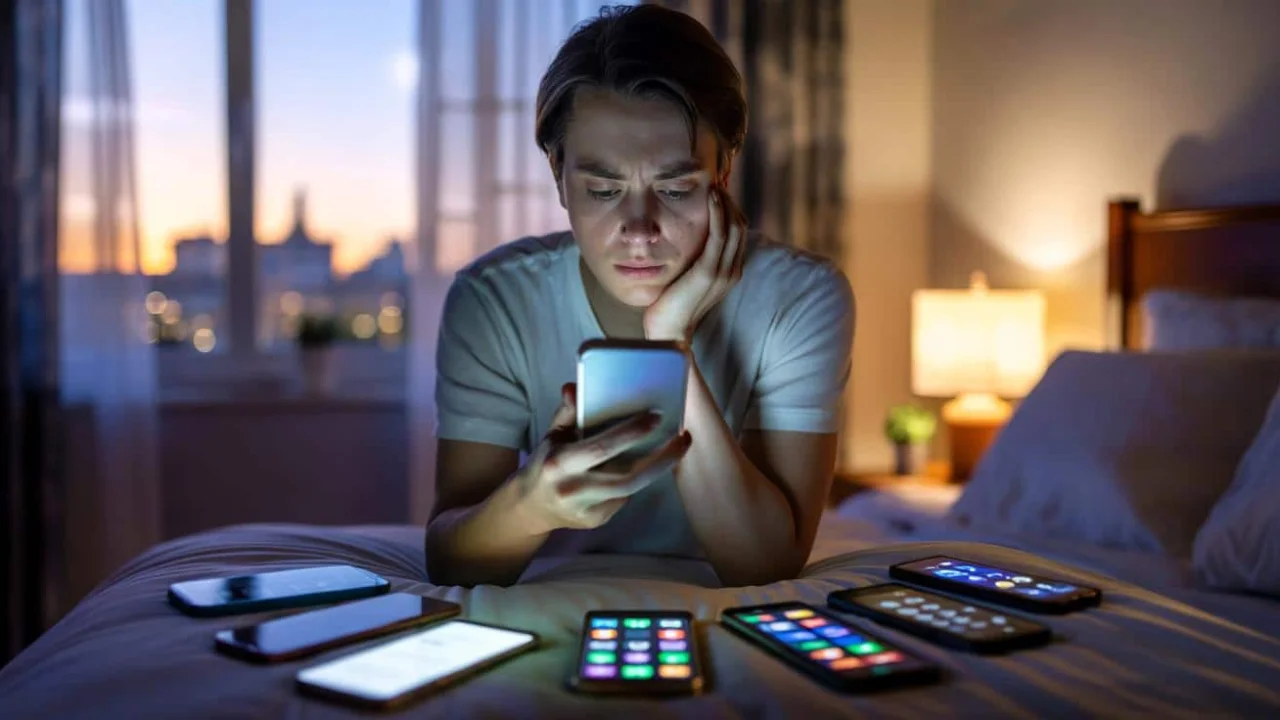
Sarah’s phone buzzed during her daughter’s bedtime story. Just a quick glance, she told herself—maybe something important from work. When she looked back up, her five-year-old was staring at her with confused eyes. “Mommy, you missed the best part,” the little girl whispered.

That moment hit harder than Sarah expected. She’d been physically present but mentally somewhere else entirely. The notification had pulled her away from what should have been the most precious twenty minutes of her day.
Sound familiar? You’re not alone. Millions of us are living in a constant state of digital interruption, and most of us don’t realize how deeply those endless pings are rewiring our brains and bodies.

The invisible drain on your nervous system
Constant notifications create a background hum of stress that most people never recognize. Your phone doesn’t just alert you—it activates your fight-or-flight response dozens of times each day.
Dr. Gloria Mark from UC Irvine explains it simply: “Every notification pulls your brain out of whatever it was doing and forces it to make a split-second decision. That’s cognitively exhausting, even when the interruption lasts just seconds.”

Think about your morning routine. Before you’ve even brushed your teeth, your phone has likely delivered weather updates, news alerts, social media notifications, and messages from various apps. Each ping creates a tiny spike in cortisol—your stress hormone.
By the time you sit down for breakfast, your nervous system is already running in high gear. You feel slightly anxious but can’t pinpoint why. The culprit? Those innocent-looking notifications that seemed so harmless.

The average smartphone user receives between 60-80 notifications daily, according to recent research. But here’s what’s really happening: each notification doesn’t just interrupt you once. It creates ripple effects that can last for hours.
The hidden costs nobody talks about
Constant notifications affect four key areas of your well-being in ways you probably haven’t connected:
- Sleep quality suffers – Even silent notifications cause your phone screen to light up, disrupting melatonin production
- Focus becomes fragmented – It takes an average of 23 minutes to fully refocus after a digital interruption
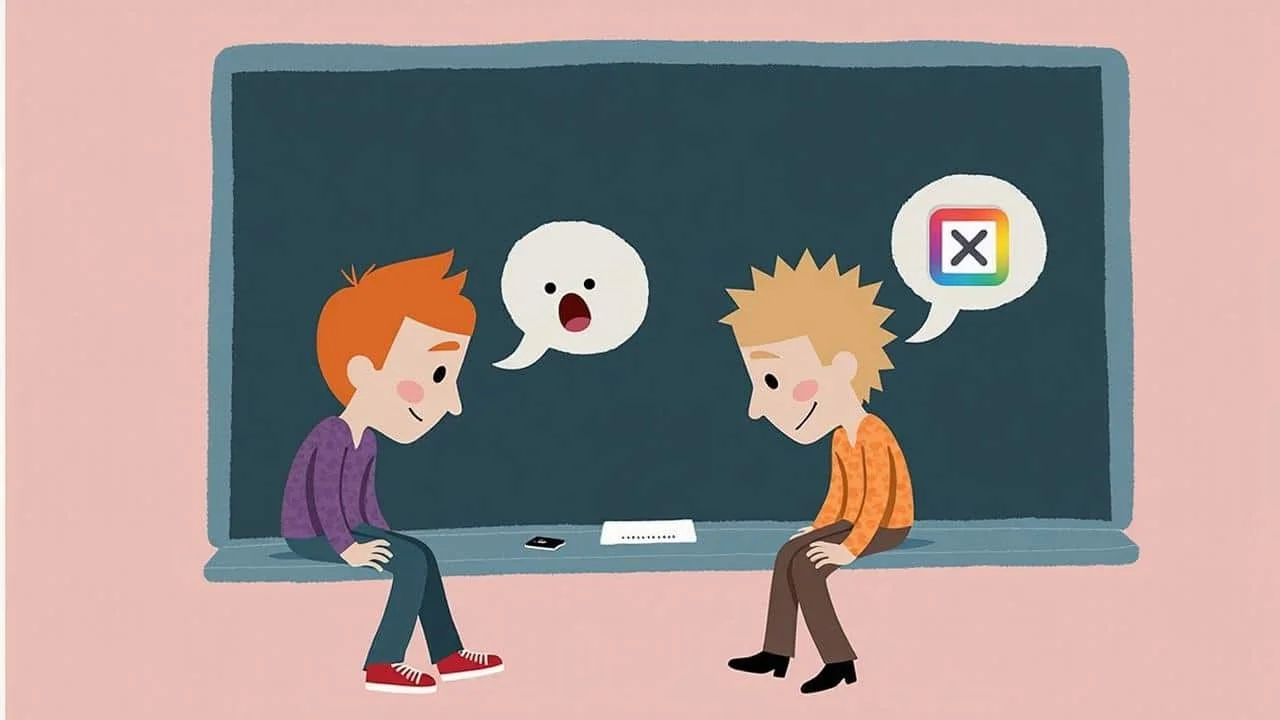
- Relationships feel shallow – Conversations get interrupted, creating distance even when you’re physically together
- Anxiety increases gradually – Your brain stays in a low-level alert state, waiting for the next ping
| Notification Type | Average Daily Count | Mental Impact |
|---|---|---|
| Social Media | 15-25 | Creates comparison anxiety |
| Work Apps | 10-20 | Extends work stress into personal time |
| News Alerts | 5-15 | Triggers fear and overwhelm |
| Shopping/Promotional | 10-20 | Creates artificial urgency |
| Personal Messages | 15-25 | Pressure to respond immediately |
Neuroscientist Dr. Adam Gazzaley notes: “Our brains evolved to focus on one thing at a time. Constant notifications force us into a state of continuous partial attention, which is exhausting and unsustainable.”
The most insidious part? This digital stress compounds throughout the day. By evening, you feel drained without understanding why. You completed your tasks, answered your messages, stayed on top of everything—yet you’re mentally wiped out.
What this means for your daily life
The impact of notification overload shows up in surprisingly personal ways. Maybe you’ve noticed you can’t read a book for more than ten minutes without feeling restless. Or you find yourself reaching for your phone during conversations, even when nothing’s buzzing.
Parents report feeling disconnected from their children despite spending more time at home. Couples describe conversations that feel surface-level, interrupted by the constant pull of devices. Workers complain about never feeling truly “off” because notifications blur the line between work and personal time.
“I realized I was living my life in two-minute chunks,” says productivity coach James Rodriguez. “Every notification reset my attention span. I was constantly reacting instead of choosing where to focus.”
The physical symptoms are real too. Many people experience:
- Difficulty falling asleep, even when tired
- Feeling anxious when separated from their phone
- Racing thoughts that jump from topic to topic
- Physical tension in shoulders and neck from constant phone checking
But here’s what gives me hope: small changes create big improvements. You don’t need to go completely offline or throw your smartphone in a drawer.
Start with notification triage. Turn off everything except truly urgent alerts. Most people discover they only need notifications from about three apps—usually calls, texts from close contacts, and perhaps one work app.
Dr. Jenny Radesky, a pediatrician studying digital wellness, suggests this simple test: “Ask yourself, ‘If I didn’t see this notification for two hours, would anything bad actually happen?’ If the answer is no, turn it off.”
Try creating phone-free zones in your home—maybe the bedroom or dinner table. Notice how different conversations feel when devices aren’t competing for attention.
The goal isn’t to eliminate technology from your life. It’s to reclaim your right to choose when and how you engage with it. Your nervous system will thank you for the break.
FAQs
How many notifications are too many?
If you’re getting more than 15-20 meaningful notifications per day, you’re likely in overload territory.
Can I turn off notifications and still receive important messages?
Yes. Most phones let you customize notifications so only calls and texts from key contacts come through immediately.
Why do I feel anxious when my phone is silent?
This is normal. Your brain has been trained to expect regular digital stimulation. The anxiety usually decreases within a few days of reducing notifications.
Will I miss something important if I limit notifications?
Truly urgent matters usually come through phone calls or direct texts. Most notifications are for non-urgent information that can wait.
How long does it take to adjust to fewer notifications?
Most people notice improved focus and reduced anxiety within 3-5 days of cutting back on digital interruptions.
Should I turn off all work notifications outside office hours?
This depends on your job, but setting clear boundaries helps prevent work stress from bleeding into personal time.
About the Author