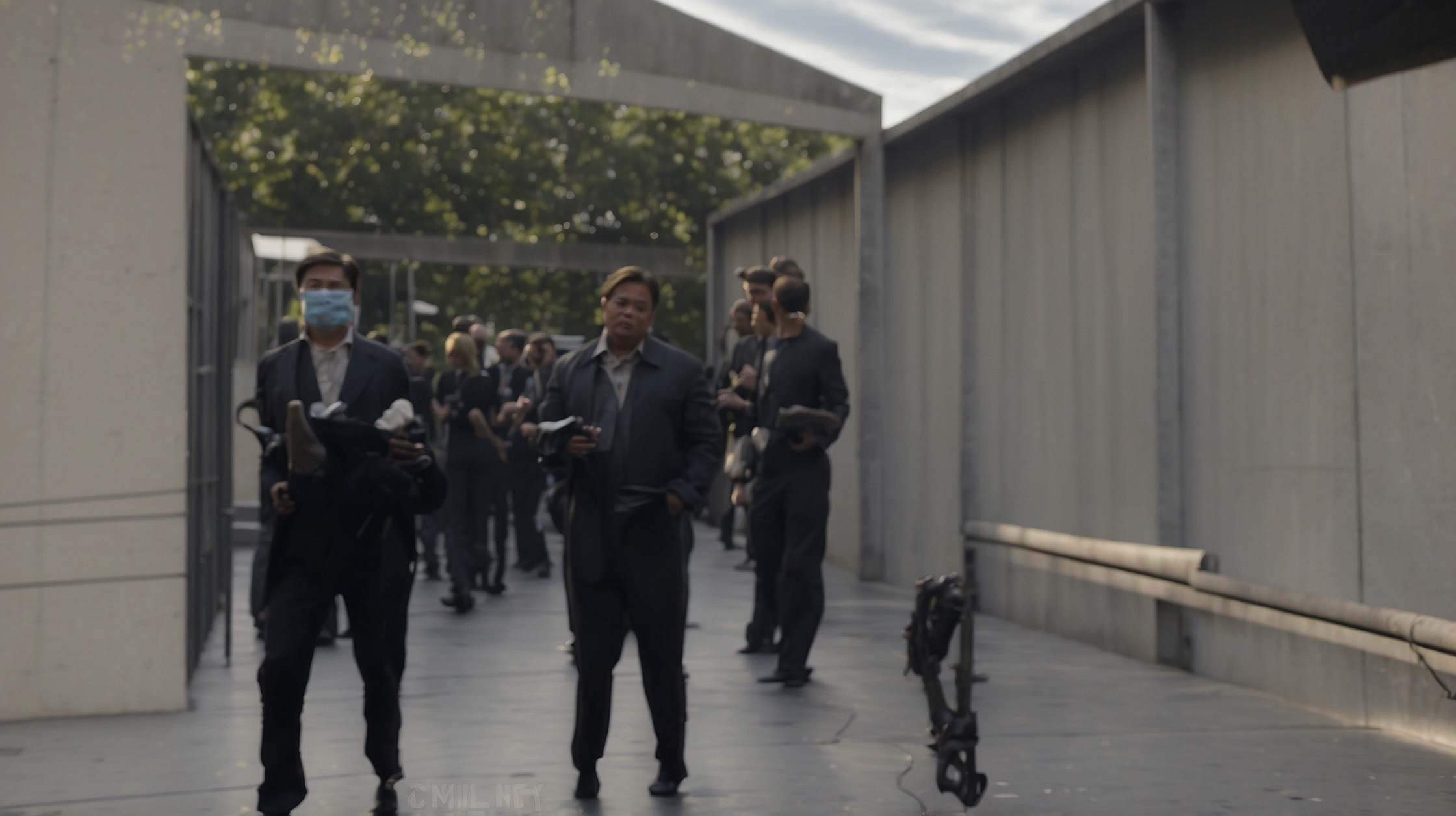
Concerns over transparency and accountability within the U.S. immigration system have surged this week after several members of Congress revealed they were denied access by U.S. Immigration and Customs Enforcement (ICE) to federal immigration detention centers. These visits, typically routine for lawmakers conducting oversight duties, were reportedly blocked or delayed, prompting fears about what might be unseen inside facilities that house thousands of migrants.

The allegations highlight a renewed tension between legislative oversight and federal enforcement, exposing deeper questions about ICE’s operating procedures, transparency obligations, and the rights of both detainees and elected officials. As the immigration debate intensifies across the country, advocates and lawmakers argue this incident undermines government accountability at a time when public scrutiny is needed more than ever.
Overview of the current ICE oversight dispute
| Issue | ICE reportedly blocked congressional visits to detention centers |
| Who is involved | U.S. Congress members, especially those on oversight committees, and ICE |
| Why it matters | Raises concerns over transparency, detainee treatment, and constitutional oversight responsibilities |
| Facilities affected | Multiple ICE detention facilities across the country, including ones in Texas |
| Congress’s response | Demands for answers, public statements, and potential legislative actions |
What prompted the access denials
According to several lawmakers, their attempts to conduct surprise inspections—a standard approach to gather unfiltered assessments—were hindered by ICE’s refusal to allow entry without advance notice. Many of these visits were scheduled as part of Congress’s formal responsibilities to monitor federal agencies and ensure the humane treatment of detainees. Lawmakers insist that being required to provide advance reservation compromises the integrity of such inspections.
“We cannot do our jobs if agencies won’t let us in,” said one frustrated lawmaker. Reports indicate that the denial of access came even after some members had contacted ICE well in advance but were still obstructed or faced unreasonable delays.
Concerns about detainee treatment and transparency
Immigration detention centers have long been the focus of criticism regarding conditions such as inadequate medical care, abuse allegations, and lengthy detentions without timely court hearings. Advocacy groups argue that oversight is a deterrent to violations and helps ensure immigrant detainees, many of whom are asylum seekers or legal residents, are not subjected to mistreatment.

When congressional access is hindered, it limits public accountability. Ice’s role as a federal enforcement body does not exempt it from congressional oversight, which is enshrined in the Constitution. Blocking such visits has prompted calls for a formal inquiry into ICE’s protocols and administrative behavior, especially concerning its possible evasion of transparency.
“This sets a dangerous precedent. Limiting congressional oversight only feeds public distrust and reduces institutional checks on power.”
— Maria Alvarez, Immigration Policy AnalystAlso Read IMSERSO mayores 65 años: el giro inesperado que les dará casi 8.000 € si cumplen este requisito
Statements from lawmakers spark new investigations
Members of the House Homeland Security Committee and the Congressional Hispanic Caucus have openly criticized ICE for what they describe as a blatant breach of oversight norms. Representative Joaquin Castro, who tried to access a Texas facility, said he was “stonewalled despite following all appropriate procedures.” Similar experiences have been echoed by other Democratic lawmakers, though ICE has not publicly clarified the reason for these access restrictions.

There are now calls for legislative hearings to examine ICE’s internal policies regarding visits by elected officials and to determine whether such actions violate federal laws. The Department of Homeland Security has faced growing pressure to clarify procedural rules around access and provide transparency reports related to detention center operations.
ICE responds with procedural defenses
In limited statements, ICE has claimed that there are “standard security protocols” which must be followed by anyone—lawmakers included—before gaining access to detention centers. According to agency representatives, notice is required to ensure the safety of both detainees and visitors. However, critics argue that these “safety concerns” are vague and often used selectively to block inconvenient inspections.
“If safety is a concern, we must see evidence—not arbitrary denials. Oversight is not optional.”
— Gregory Choi, Legal Director at Civil Rights Justice Initiative
Impact on immigration reform debates
This controversy arrives at a politically sensitive time, as immigration continues to dominate headlines and influence policymaking. The Biden administration has pledged more humane immigration enforcement, yet such barriers to transparency conflict with that promise. For reform advocates, this event underscores why oversight mechanisms must be strengthened legislatively to prevent future access disputes.
What appears to be a procedural dispute has morphed into a constitutional one: Can a federal agency lawfully block direct oversight from Congress members acting within their official capacity? As that question looms, advocates believe the answer will shape how immigration enforcement is monitored going forward.
Broad implications for other federal agencies
The fallout from ICE’s access denials may create ripple effects in how other agencies handle transparency and oversight. If ICE’s refusal goes unchecked, analysts warn, other departments may adopt similar tactics to avoid scrutiny. This could impair the balance of governmental power and set a precedent that oversight is discretionary rather than mandatory.
It also raises questions for future administrations—whether ICE will face penalties for breaching transparency norms or whether broader legislation is needed to reinforce congressional authority.
Possible legislative actions in response
Several lawmakers are now drafting bills that would require federal agencies like ICE to allow immediate and unannounced inspections from members of Congress. Some proposed measures would establish strict timelines and clear procedures to enforce compliance. Others would increase appropriations oversight to penalize agencies that restrict access.
This could mark a turning point in immigration oversight policy, possibly redefining how detention policy is implemented on the ground and how facilities interact with outside inspectors.
Winners and losers of the access dispute
| Winners | Losers |
|---|---|
| ICE leadership protecting internal processes | Congressional oversight authority |
| Private detention contractors highlighting confidentiality | Detainees seeking transparency and accountability |
| Agencies seeking less external interference | Public confidence in immigration policies |
What comes next in the oversight battle
As investigations proceed, congressional committees are expected to pursue testimonies from ICE officials and possibly Homeland Security leadership. Advocacy organizations are compiling evidence of past denials and compiling legal challenges to redefine the limits—or lack thereof—of ICE’s discretionary power in this matter. Any definitive action or ruling could see long-term ramifications for detention standards nationwide, especially as immigration remains a top issue in universal policy debates.
Frequently Asked Questions (FAQs)
Why were Congress members denied access to ICE detention centers?
ICE claims access was denied due to procedural and safety concerns, but lawmakers argue it was an unlawful obstruction of oversight responsibilities.
Is ICE required to allow congressional visits?
While no formal law mandates unannounced visits, oversight rights are protected under the Constitution, giving Congress authority to inspect federal operations.
Which facilities were affected?
Reports mention facilities in Texas and other high-volume detention states, though ICE has not released a confirmed list.
Is legislative reform expected?
Yes. Lawmakers are drafting bills to compel ICE and similar agencies to permit oversight visits without advance notice or delay.
What does this mean for detainees?
Detainees may face longer periods without independent oversight, raising concerns about abuses or unreported rights violations.
Has ICE faced consequences for past oversight blocks?
Not directly in this case, but ongoing investigations could lead to judicial or legislative reprimands or reforms.
Can public pressure influence ICE policies?
Yes. Historically, public outcry and media scrutiny have influenced detention practices and policy reforms in immigration.
What role do advocacy groups play in oversight?
They often serve as watchdogs, documenting incidents, supporting whistleblowers, and pushing for greater transparency in immigrant detention systems.
About the Author