Picture this: You’re a naval aviator preparing for another routine training mission when your wingman suddenly disappears from your radar. Panic sets in until you remember—your wingman isn’t human anymore. Instead, it’s a sleek, autonomous drone programmed to follow your every command, shield you from incoming missiles, and strike targets you designate with deadly precision.

This isn’t science fiction. It’s happening right now in Shanghai, where Chinese engineers are putting the finishing touches on what could be the world’s most advanced naval drone program.
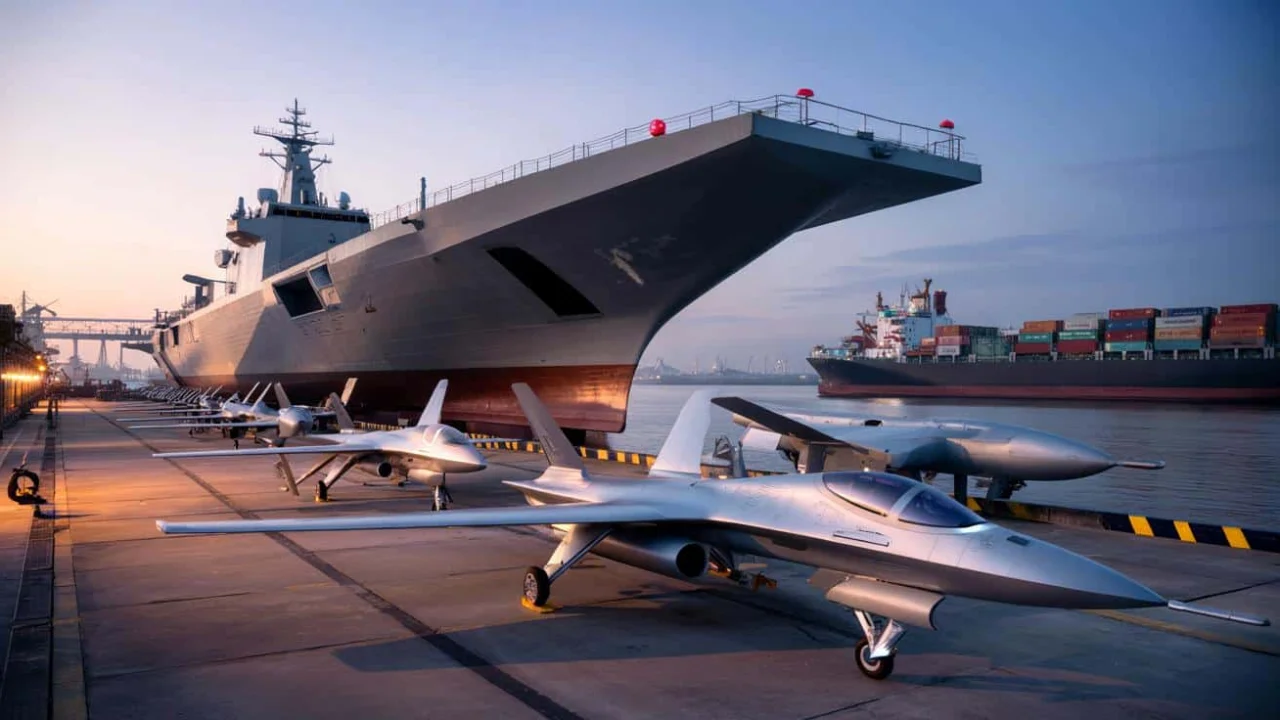
Fresh satellite images from the Hudong-Zhonghua shipyard show something remarkable: six mysterious, stealth-shaped aircraft lined up next to China’s newest amphibious assault ship, the Sichuan. These aren’t your typical military drones. They’re part of China’s ambitious “loyal wingman” program, and they’re about to make history.
What Makes These Chinese Loyal Wingman Drones So Special
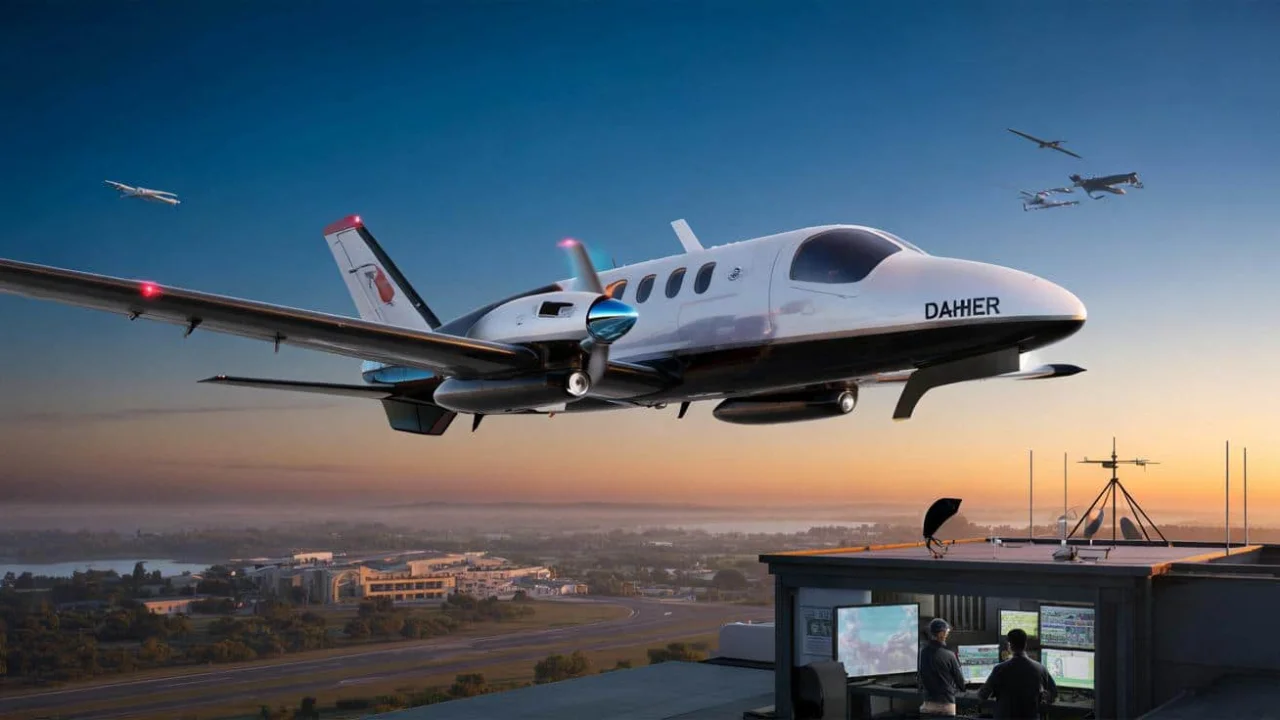
The Chinese loyal wingman drone represents a fundamental shift in how naval warfare could work. Unlike traditional piloted aircraft, these autonomous systems are designed to operate alongside human pilots, taking on the most dangerous missions while keeping precious human lives out of harm’s way.
The drones spotted in Shanghai feature distinct stealth characteristics—angular surfaces, reduced radar signatures, and compact designs perfect for carrier operations. Defense analyst Maria Chen explains, “What we’re seeing here isn’t just another drone program. This is China preparing to fundamentally change how their navy fights.”
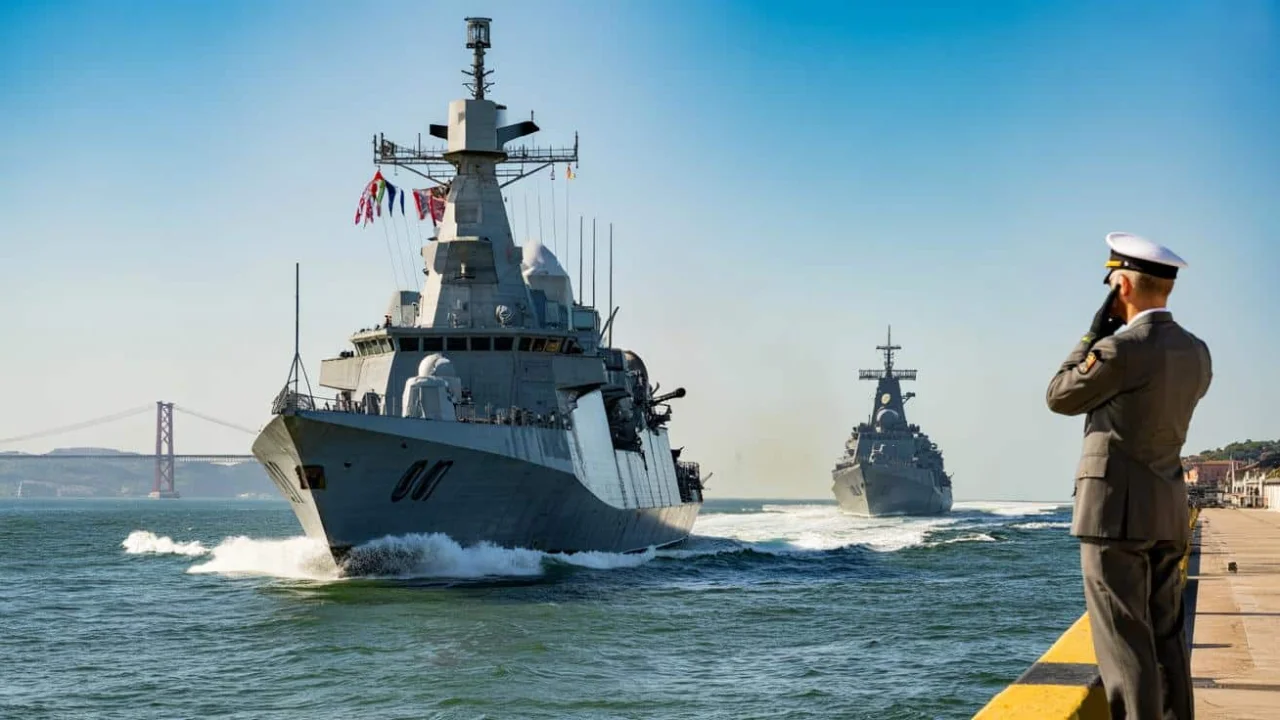
The timing couldn’t be more significant. While the United States has been developing similar loyal wingman technology, China appears ready to take the next crucial step: testing these systems on actual warships at sea.
The Type 076 amphibious assault ship Sichuan, where these trials will likely take place, was specifically designed with drone operations in mind. At 44,000 tons with an unusually large flight deck and electromagnetic catapult system, it’s essentially a floating laboratory for next-generation warfare.

Breaking Down the Technical Details
Here’s what we know about these cutting-edge systems based on the latest intelligence:
| Specification | Details |
|---|---|
| Number of Drones Spotted | 6 stealth variants + 1 Wing Loong-type |
| Location | Hudong-Zhonghua shipyard, Shanghai |
| Ship Platform | Type 076 Sichuan (44,000 tons) |
| Launch System | Electromagnetic catapult |
| Design Focus | Low-observable, carrier-based operations |
The drones exhibit several key features that make them ideal for naval operations:

- Stealth-optimized airframes with angular surfaces
- Compact wingspan suitable for carrier deck operations
- Autonomous flight capabilities with human oversight
- Multi-role design for reconnaissance and combat missions
- Integration with existing naval command systems
Former Navy pilot turned analyst David Rodriguez notes, “The fact that China is positioning these drones next to their most advanced amphibious ship tells us everything. They’re not just testing individual aircraft—they’re testing an entire new way of projecting power at sea.”
What makes this development particularly noteworthy is the integration aspect. These Chinese loyal wingman drones aren’t meant to replace human pilots but to work seamlessly alongside them, creating a hybrid force that combines human decision-making with machine precision and expendability.
How This Changes Everything for Global Naval Power
The implications of successful Chinese loyal wingman drone trials extend far beyond military circles. This technology could reshape global naval balance, influence international shipping routes, and change how nations think about maritime security.
For military families, this technology represents both promise and concern. On one hand, loyal wingman systems could significantly reduce pilot casualties by taking on the most dangerous missions. On the other hand, the rapid pace of autonomous weapons development raises questions about human control in combat situations.
Commercial shipping companies are watching closely too. These drones could patrol vast ocean areas more efficiently than traditional aircraft, potentially making shipping lanes safer—or more contested, depending on who controls the technology.
Regional allies are taking notice. Countries like Japan, South Korea, and Australia are accelerating their own unmanned systems programs, recognizing that falling behind in this technology gap could have serious security implications.
Strategic affairs expert Jennifer Liu observes, “Once China demonstrates successful carrier-based loyal wingman operations, every major navy will feel pressure to develop similar capabilities. We’re looking at the beginning of a new arms race.”
The economic impact could be substantial as well. Nations investing heavily in loyal wingman technology may gain significant advantages in both military and civilian aerospace markets, as the technologies often have dual-use applications.
Perhaps most importantly for everyday people, this development signals how quickly military technology is evolving. The Chinese loyal wingman drone program represents just one example of how artificial intelligence and autonomous systems are becoming integral parts of national defense strategies worldwide.
As these trials move forward, the world will be watching to see whether China can successfully demonstrate that human pilots and autonomous wingmen can work together effectively in the challenging environment of naval operations. The results could influence military procurement decisions, international relations, and the future of warfare itself for decades to come.
FAQs
What exactly is a loyal wingman drone?
A loyal wingman drone is an autonomous aircraft designed to fly alongside human-piloted planes, following commands and taking on dangerous missions while keeping pilots safe.
Why is China testing these drones on ships instead of land?
Naval operations present unique challenges like limited deck space, harsh weather, and complex takeoff/landing procedures that must be mastered before the drones can be operationally useful.
How do these Chinese drones compare to similar U.S. programs?
While the U.S. has advanced loyal wingman programs like the Air Force’s collaborative combat aircraft, China appears to be ahead in naval integration and carrier-based testing.
Could these drones operate completely without human oversight?
Current designs still require human operators to make critical decisions, though the drones can execute missions autonomously once given orders.
When will these Chinese loyal wingman drones become operational?
Based on the current testing phase, operational deployment could happen within 2-3 years if trials prove successful.
What makes the Type 076 ship special for drone operations?
The Sichuan features an unusually large flight deck, electromagnetic catapult systems, and was specifically designed from the ground up to support extensive drone operations.
About the Author
