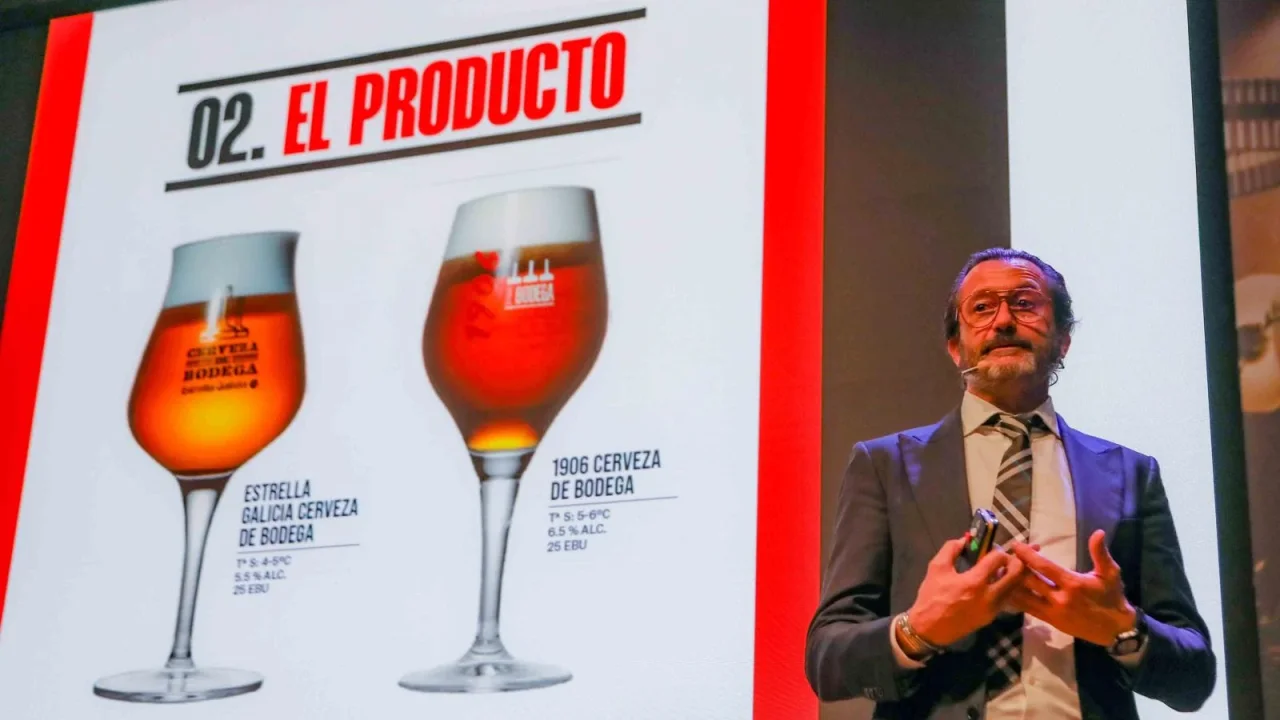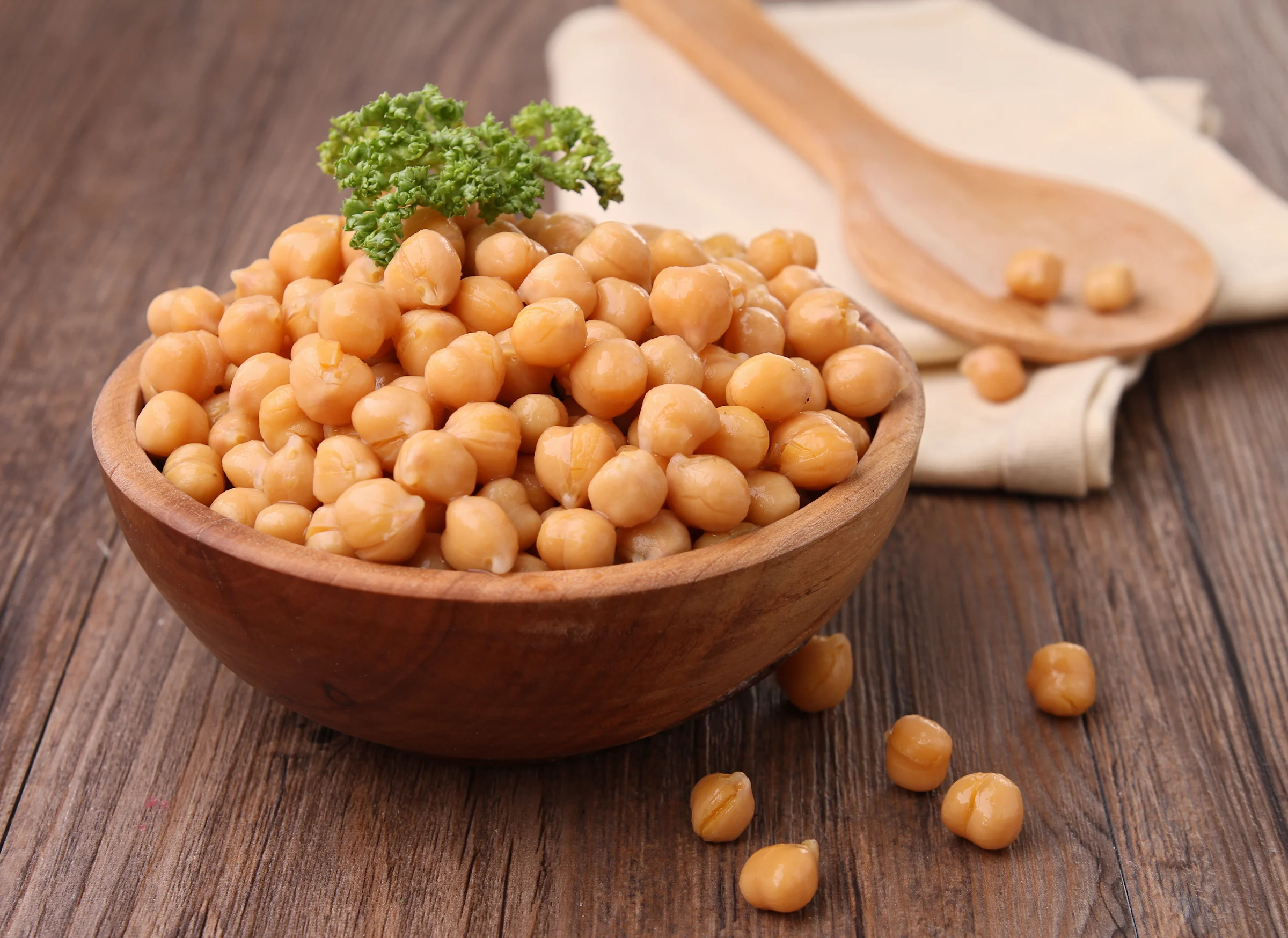
In a culinary revelation that’s changing how home cooks approach pantry staples, leading Spanish chefs are advocating for a fundamental shift in how we handle canned chickpeas. The traditional practice of draining and discarding the liquid from chickpea cans is being challenged by culinary professionals who insist this precious aqueous resource holds untapped potential for elevating everyday cooking.

This movement represents more than just a trend—it’s part of a broader sustainability initiative within Spanish cuisine that emphasizes zero waste and maximum flavor extraction from every ingredient. Professional kitchens across Spain have begun implementing these techniques, demonstrating how proper handling of canned chickpeas can transform both the texture and taste of countless dishes.
| Key Takeaways |
|---|
| Chickpea Liquid Benefits: Contains natural emulsifiers and proteins valuable for cooking |
| Proper Washing Technique: Rinse chickpeas thoroughly while preserving liquid for other uses |
| Storage Solutions: Liquid can be refrigerated for up to one week or frozen for future recipes |
| Culinary Applications: Perfect for soups, stews, bread making, and as egg substitute |
| Sustainability Impact: Reduces kitchen waste while adding nutritional value to meals |
The Science Behind Chickpea Liquid
The liquid found in canned chickpeas, technically known as aquafaba, is far more than mere packaging water. This viscous substance contains dissolved proteins, starches, and other compounds that leach from the chickpeas during the canning process. Spanish culinary experts have long recognized that this liquid possesses unique emulsifying properties that can enhance the texture and binding capabilities of various dishes.

The composition of chickpea liquid makes it particularly valuable in Mediterranean cooking traditions. The natural proteins act as stabilizers in sauces and dressings, while the starches contribute to the thickening properties that many traditional Spanish recipes require. This understanding has led professional chefs to reconsider their preparation methods, viewing the liquid not as waste but as a valuable cooking ingredient.
Modern Spanish kitchens are increasingly incorporating this liquid into their mise en place, treating it with the same respect given to quality stocks and broths. The mineral content, including potassium and magnesium naturally present in chickpeas, also transfers to the liquid, adding nutritional value to any dish where it’s incorporated.
Proper Washing and Preparation Techniques
The methodology for properly handling canned chickpeas has evolved significantly in professional Spanish kitchens. The process begins with carefully opening the can and immediately straining the liquid into a clean container before it can be accidentally discarded. This initial step is crucial for preserving the maximum amount of usable liquid.
The washing process itself requires a delicate balance. Chickpeas should be rinsed thoroughly under cold running water to remove excess sodium and any metallic taste from the canning process, but this washing should be done efficiently to avoid unnecessary waste. Professional chefs recommend using a fine-mesh strainer and gently agitating the chickpeas while rinsing, allowing the water to run clear without over-washing.
Temperature control during the washing process is also important. Cold water helps maintain the integrity of the chickpeas while effectively removing surface residue. Some chefs prefer to do a quick initial rinse followed by a brief soak in fresh cold water, which can help achieve the desired texture for specific recipes while ensuring cleanliness.
The timing of the washing process can also impact the final dish. For recipes where the chickpeas will be further cooked, such as in stews or soups, a lighter rinse may be sufficient. However, for dishes where chickpeas will be used cold or with minimal additional cooking, a more thorough washing ensures the best flavor profile.

Storage and Preservation Methods
Proper storage of both the reserved chickpea liquid and the washed chickpeas is essential for maintaining quality and safety. The liquid should be transferred immediately to a clean, airtight container and refrigerated if not used within a few hours of opening the can. Under proper refrigeration conditions, this liquid maintains its culinary properties for approximately one week.
For longer-term storage, the chickpea liquid can be frozen in ice cube trays, creating convenient portion-sized amounts for future use. This method allows cooks to add measured quantities to recipes without thawing entire containers. The frozen cubes maintain their emulsifying properties and can be used directly in hot preparations or thawed for room temperature applications.
The chickpeas themselves, once properly washed, should also be stored appropriately if not used immediately. They can be kept in the refrigerator for up to four days when stored in a covered container with a small amount of fresh water to prevent drying. For meal preparation purposes, cooked chickpeas can be portioned and frozen for up to three months without significant loss of texture or nutritional value.
Professional kitchens often maintain a rotation system for these stored ingredients, ensuring that older stocks are used first while maintaining a consistent supply for various recipes. This approach maximizes the utility of every can while minimizing waste and ensuring optimal freshness in final dishes.
Innovative Recipe Applications
Spanish chefs have developed numerous creative applications for both the preserved chickpea liquid and properly prepared chickpeas. The liquid serves as an excellent base for light broths and can be incorporated into bread doughs to improve texture and add subtle flavor complexity. Its emulsifying properties make it valuable for creating stable vinaigrettes and mayonnaise-style sauces without traditional egg-based ingredients.
In traditional Spanish cooking, the liquid finds particular success in dishes like espinacas con garbanzos, where it can be used to create a more cohesive sauce that naturally complements the chickpeas already in the dish. The liquid can also be reduced through gentle simmering to concentrate its flavors, creating an intensely flavored base for more complex preparations.
Contemporary Spanish cuisine has embraced these techniques in innovative ways, incorporating the liquid into modern interpretations of classic dishes. Some chefs use it as a finishing liquid for rice dishes, adding it in the final minutes of cooking to enhance both flavor and texture. Others incorporate it into cold soups like salmorejo, where its thickening properties contribute to the desired consistency.
The versatility of properly prepared chickpeas extends beyond traditional applications. They can be quickly sautéed with garlic and herbs as a simple tapa, incorporated into salads for added protein and fiber, or pureed into smooth spreads and dips. The key is understanding how the initial washing process affects the final texture and flavor of these applications.
Sustainability and Environmental Impact
The movement toward utilizing every component of canned chickpeas reflects broader sustainability concerns within the Spanish culinary community. By preserving and using the liquid that would otherwise be discarded, kitchens can reduce their overall waste output while simultaneously improving the nutritional and flavor profiles of their dishes.
This approach aligns with traditional Spanish values of resourcefulness and respect for ingredients. Historical Spanish cooking has always emphasized making the most of available resources, and this modern application of those principles demonstrates how traditional wisdom can address contemporary environmental concerns.
The environmental benefits extend beyond simple waste reduction. By maximizing the utility of canned goods, households and restaurants can potentially reduce their overall consumption of packaged products. The enhanced nutritional value provided by incorporating the liquid means that meals become more satisfying and complete, potentially reducing the need for additional ingredients or supplements.
Professional kitchens report that adopting these practices has led to both cost savings and improved dish quality, creating a positive feedback loop that encourages continued implementation. The techniques require no special equipment or significant time investment, making them accessible to kitchens of all sizes and resource levels.
Professional Implementation and Training
Spanish culinary schools and professional training programs have begun incorporating these chickpea handling techniques into their standard curricula. The emphasis is on developing fundamental skills that support both culinary excellence and sustainable practices, preparing new generations of chefs to think holistically about ingredient utilization.
Restaurant kitchens implementing these practices often begin with staff training sessions that demonstrate proper techniques and explain the reasoning behind each step. The education component is crucial, as success depends on consistent application across all kitchen staff, from preparation cooks to head chefs.
Documentation and standardization of these procedures has become increasingly important as more establishments adopt these methods. Professional kitchens maintain detailed protocols for chickpea preparation, storage, and utilization to ensure consistency and food safety compliance while maximizing the benefits of these techniques.
The training process typically includes hands-on demonstrations of proper washing techniques, liquid preservation methods, and integration into existing recipes. Many establishments find that starting with simple applications and gradually expanding to more complex uses helps staff develop confidence and creativity with these new approaches.
Frequently Asked Questions
How long can I safely store chickpea liquid after opening a can?
Chickpea liquid should be used within one week when stored properly in the refrigerator in a clean, airtight container. For longer storage, it can be frozen for up to three months without significant loss of quality or functionality.
Does washing chickpeas remove important nutrients?
Brief rinsing removes excess sodium and improves taste without significantly impacting the nutritional content of the chickpeas. The key is to rinse efficiently rather than soaking for extended periods, which could lead to some nutrient loss.
Can chickpea liquid replace eggs in all recipes?
While chickpea liquid works well as an egg substitute in many applications, particularly in baking and emulsification, it may not provide identical results in all recipes. It’s best suited for recipes where eggs serve as binders or leavening agents rather than as the primary flavor component.
What should I look for when selecting canned chickpeas for this method?
Choose canned chickpeas with minimal additives and lower sodium content when possible. The liquid from organic varieties often has better flavor and fewer preservatives, making it more suitable for culinary applications.
Are there any safety concerns with using chickpea liquid?
As with any preserved food product, proper storage and handling are essential. Always check that cans are undamaged before opening, store the liquid properly after opening, and use within recommended timeframes to ensure food safety.
Conclusion
The revolution in chickpea preparation championed by Spanish chefs represents more than just a cooking technique—it embodies a philosophy of respect for ingredients and commitment to sustainability that resonates throughout modern culinary practice. By recognizing the value in what was previously discarded and implementing proper washing and storage techniques, home cooks and professional chefs alike can enhance their dishes while reducing waste. This approach demonstrates how traditional culinary wisdom, when combined with contemporary understanding of food science and environmental responsibility, can create meaningful improvements in both cooking outcomes and sustainable practices. As these techniques continue to gain acceptance, they promise to transform not only how we handle chickpeas but how we approach ingredient utilization across all aspects of cooking.
About the Author