Picture this: you’re sixteen years old, battling cancer, and your biggest worry should be missing school or losing your hair from chemotherapy. Instead, you’re making videos pleading for your father’s freedom while you’re weak from treatment. That’s exactly what happened to one Chicago teenager whose story has touched hearts across the nation.
Ofelia Torres never asked to become the face of immigration activism. She just wanted her dad home while she fought for her life. Her courage in the face of unimaginable challenges reminds us that real families are behind every immigration headline we scroll past.
The story of this Chicago teen and ICE detention reveals how immigration enforcement can collide with family medical crises in devastating ways. Ofelia’s fight wasn’t just against cancer – it was against a system that separated her from the person she needed most during her darkest hours.

A Family Torn Apart During Medical Crisis
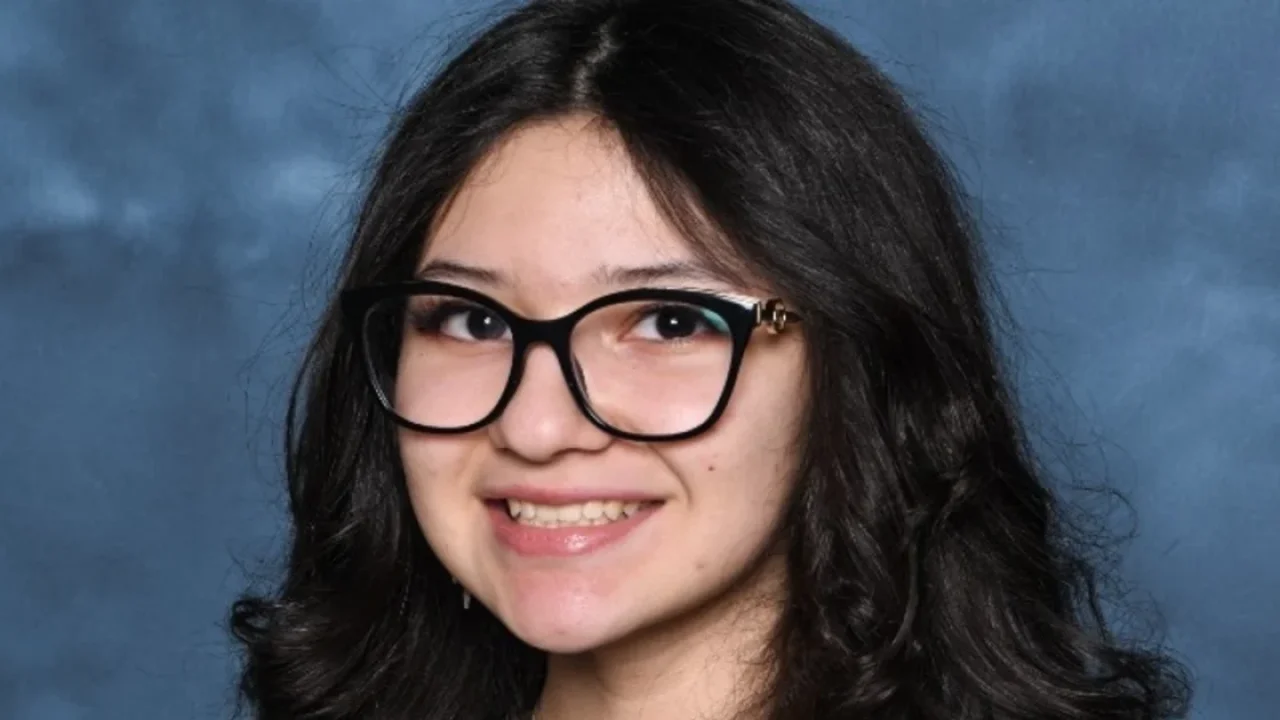
Ofelia Torres was just 16 when she lost her battle with Stage 4 alveolar rhabdomyosarcoma, a rare and aggressive cancer that affects soft tissue. She died on a Friday in late 2025, leaving behind a community that had rallied around her family’s immigration struggle.
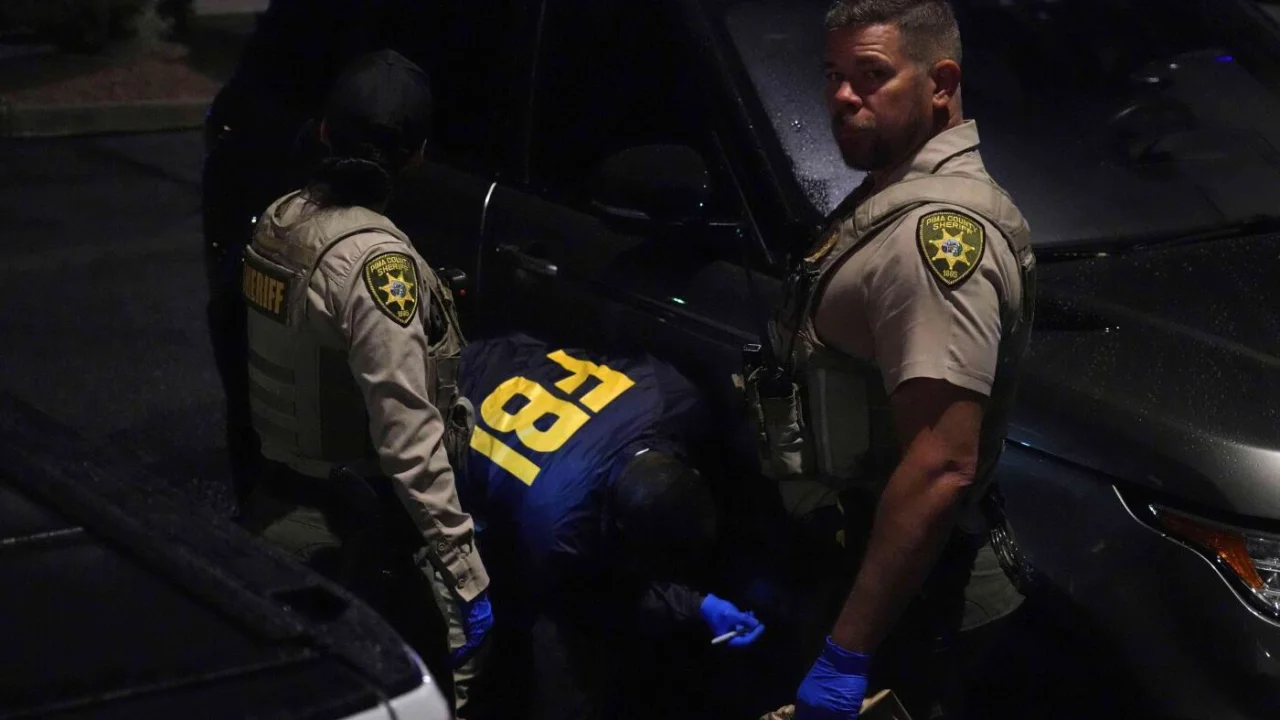
The timeline of events reads like a cruel twist of fate. Ofelia received her cancer diagnosis in December 2024. Less than a year later, on October 18, 2025, while she was home from the hospital spending precious time with family, ICE agents arrested her father, Ruben Torres Maldonado.
What happened next turned a private family crisis into a public call for justice. From her hospital bed, Ofelia created an Instagram video that would capture the attention of immigration advocates nationwide. Her message was simple but powerful: her father was a hardworking immigrant who deserved to be with his sick daughter.
“My dad, like many others, is a hardworking person who wakes up early in the morning and goes to work without complaining, thinking about his family,” Ofelia said in the video that changed everything. “I find it so unfair that hardworking immigrant families are being targeted just because they were not born here.”
The Fight That Brought Father and Daughter Together
The power of Ofelia’s advocacy became clear within weeks. Her father was released from ICE detention after about two weeks on a $2,000 bond. The judge specifically considered his daughter’s medical treatment when making the decision, according to NBC Chicago reports.
But the legal battle wasn’t over. The Department of Homeland Security had their own perspective on Torres Maldonado’s case, stating he had been “charged multiple times with driving without insurance, driving without a valid license, and speeding.” They also alleged he didn’t comply with officers during his arrest and attempted to flee.
Here’s what made this Chicago teen’s ICE detention case different from thousands of others:
- Her father’s primary role as caregiver for her brother while she received hospital treatment
- The timing of the arrest during a critical period of her cancer care
- Her public advocacy that brought national attention to their situation
- The judge’s consideration of family medical circumstances in detention decisions
| Key Timeline | Event |
| December 2024 | Ofelia diagnosed with Stage 4 cancer |
| October 18, 2025 | Father arrested by ICE while she was home from hospital |
| Two weeks later | Father released on $2,000 bond after judge considers daughter’s treatment |
| Three days before death | Ofelia attended father’s immigration hearing via Zoom |
| Late 2025 | Ofelia dies at age 16; father receives cancellation of removal |
What This Story Means for Other Families
Ofelia’s story didn’t end with her death. Just before she passed away, a Chicago judge made a ruling that will change her family’s future forever. Torres Maldonado was granted cancellation of removal because his deportation would negatively impact his U.S. citizen children.
This ruling creates a pathway for him to obtain permanent residence and eventually citizenship. More importantly for other families facing similar situations, it establishes precedent for considering family medical emergencies in immigration cases.
“Ofelia was heroic and brave in the face of ICE’s detention and threatened deportation of her father,” said Kalman Resnick, Torres Maldonado’s lawyer. “We mourn Ofelia’s passing, and we hope that she will serve as a model for us all for how to be courageous and to fight for what’s right to our last breaths.”
The Lake View High School junior attended her father’s final immigration hearing via Zoom just three days before her death. Even in her weakest moments, she remained committed to keeping her family together.
Her case highlights critical questions about how immigration enforcement intersects with family medical crises. Should ICE consider ongoing medical treatments when making arrest decisions? How do detention policies affect children with serious illnesses who depend on undocumented parents for care?
Immigration attorneys say Ofelia’s case demonstrates the human cost of enforcement policies that don’t account for extraordinary family circumstances. Her father’s role wasn’t just as a provider – he was the primary caregiver for her brother while she received treatment at the hospital.
The Chicago teen’s ICE detention advocacy has inspired other young people to speak out about their families’ immigration struggles. Her Instagram video showed that even teenagers fighting serious illnesses can become powerful voices for change when they share their truth.
For immigrant families dealing with medical emergencies, Ofelia’s story offers both hope and heartbreak. Hope because her advocacy secured her father’s freedom and legal status. Heartbreak because she didn’t live to see the full impact of her courage.
Her legacy challenges all of us to see beyond policy debates and remember the real families affected by immigration enforcement. Behind every detention case is a story like Ofelia’s – of children who just want their parents home during the hardest moments of their lives.
FAQs
What type of cancer did Ofelia Torres have?
She had Stage 4 alveolar rhabdomyosarcoma, a rare and aggressive cancer that affects soft tissue.
How long was her father detained by ICE?
Ruben Torres Maldonado was released after about two weeks on a $2,000 bond when a judge considered his daughter’s medical treatment.
What happened to her father’s immigration case?
A Chicago judge granted him cancellation of removal shortly before Ofelia’s death, providing a pathway to permanent residence and citizenship.
How did Ofelia advocate for her father’s release?
She posted an Instagram video calling for his release and raising awareness about other families in similar situations.
When did Ofelia attend her father’s final hearing?
She attended the immigration hearing via Zoom just three days before her death at age 16.
What school did Ofelia attend?
She was a junior at Lake View High School in Chicago when she passed away.
About the Author