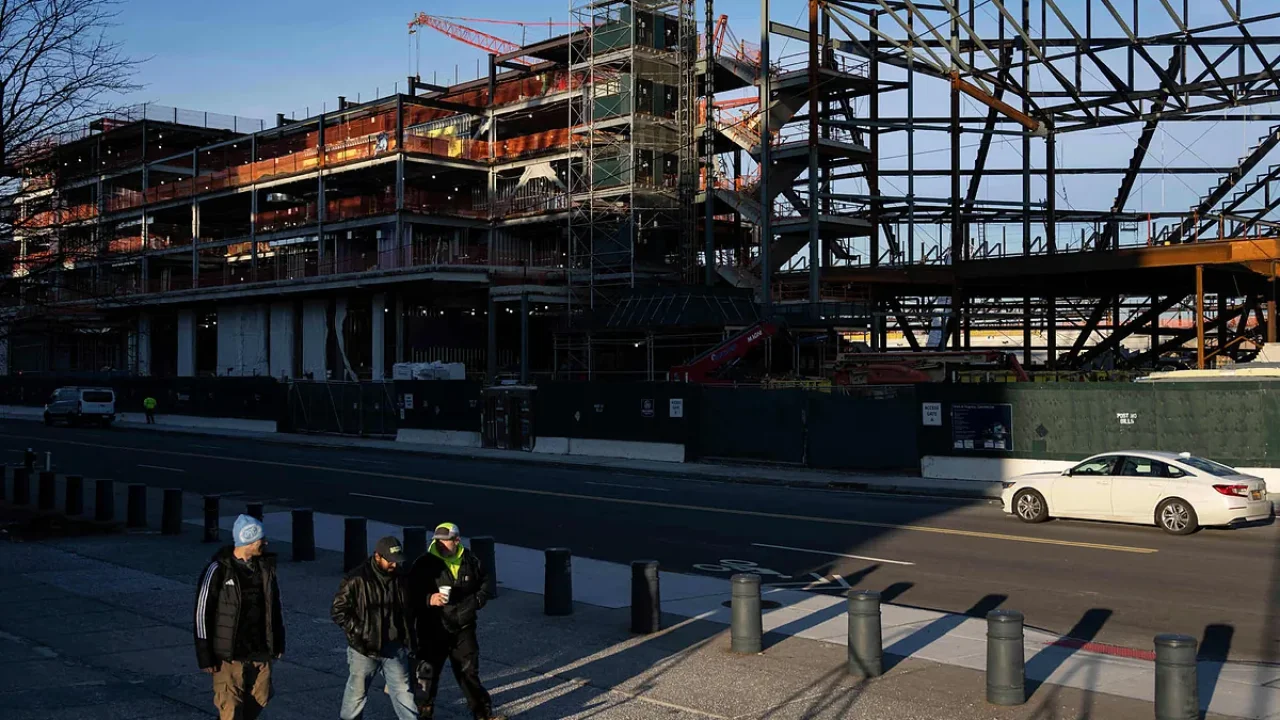
When Maria Santos drove past the old YMCA building on North Main Street last month, she couldn’t help but smile. The historic brick structure that had sat empty for years was finally showing signs of new life. Construction crews were busy inside, and she wondered what the finished project would look like from the street.

Maria wasn’t alone in her curiosity. Throughout Canandaigua, residents have been watching closely as several key development projects move through the planning process. These aren’t just bureaucratic formalities—they’re the building blocks of their community’s future.
That curiosity was answered this week when the Canandaigua Planning Commission tackled several important items during their February 11 meeting. From water quality initiatives to historic preservation, the decisions made around that conference table will shape how residents experience their city for years to come.
Major Land Division Moves Forward for Environmental Project
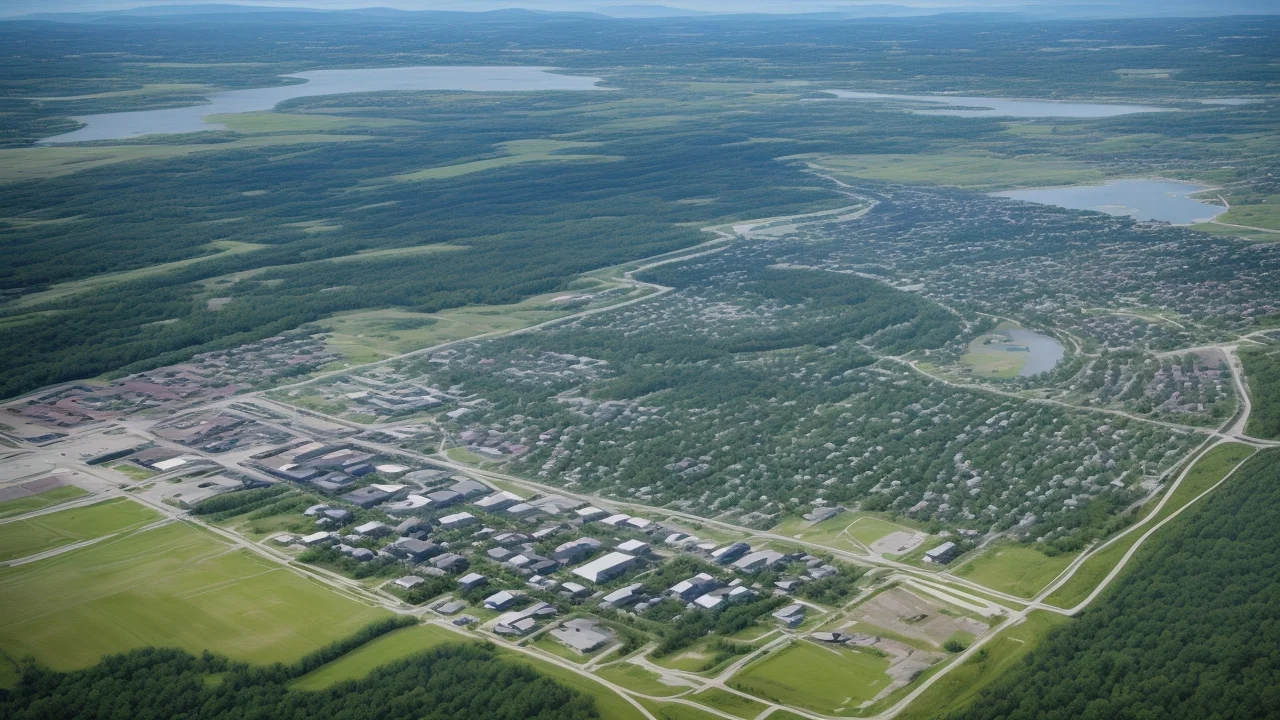
The most significant item on the agenda involved a 15.1-acre property at 111 North Road. The Canandaigua planning commission unanimously approved subdividing this large parcel into two separate lots—one measuring 6.1 acres and another spanning 9.0 acres.
This wasn’t just any ordinary subdivision request. Sarah Reynolds, representing the Canandaigua Lake Watershed Council, explained that the southern portion would be transferred directly to the city. The ultimate goal? A collaborative water quality and flood resiliency project that will benefit the entire watershed.
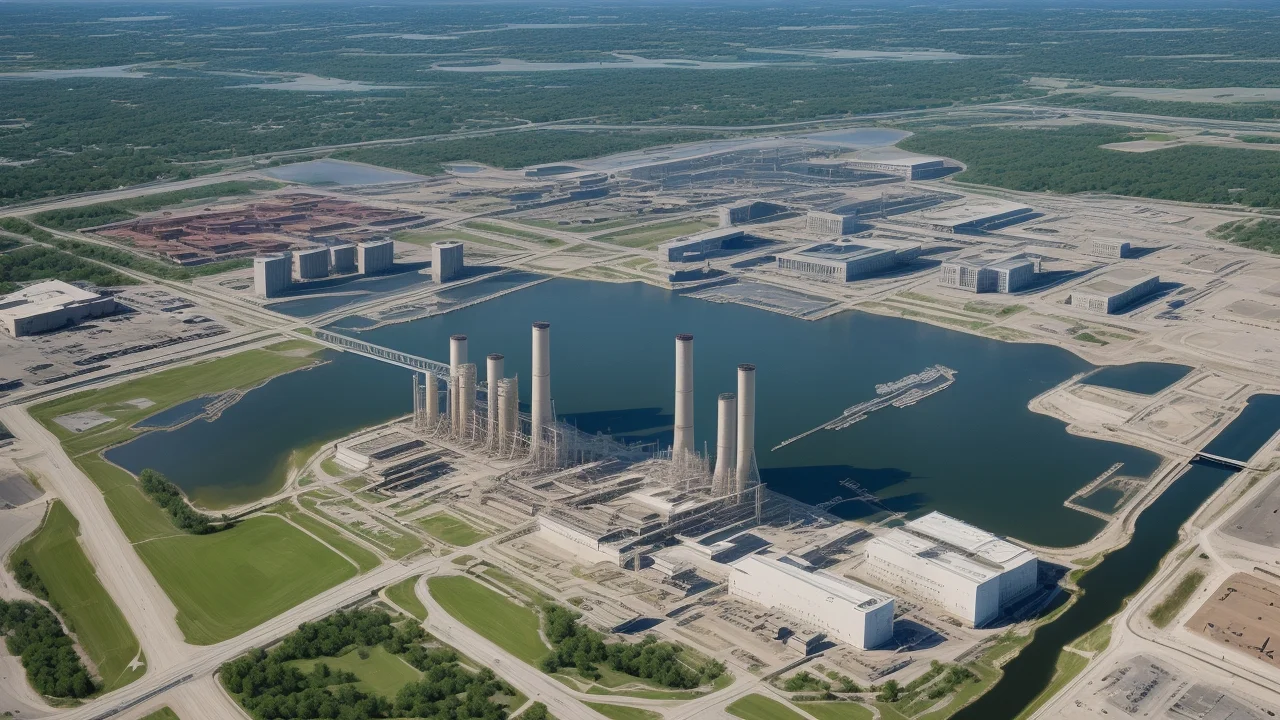
“This project represents a partnership between the city, the watershed council, and neighboring property owner Gallo,” Reynolds told commissioners. “We’re looking at long-term environmental protection for one of our most precious resources.”
The approval came after a public hearing that drew no opposition. Since the plan matched a previous approval that had simply expired in October, commissioners fast-tracked the process. They waived the preliminary review stage and granted final approval in a decisive 6-0 vote.

What These Approvals Mean for Residents
The recent decisions by the Canandaigua planning board reveal several key trends affecting local residents:
| Project Type | Location | Impact on Community | Timeline |
|---|---|---|---|
| Water Quality Initiative | 111 North Road | Enhanced flood protection and cleaner lake water | Multi-year development |
| Historic Preservation | 76 Gorham Street | Maintains neighborhood character while allowing improvements | Construction season 2026 |
| Commercial Redevelopment | Former YMCA building | New business opportunities and downtown revitalization | Ongoing construction |
The environmental project particularly stands out because it addresses growing concerns about water quality in Canandaigua Lake. Climate change has brought more intense storms and flooding events, making projects like this essential for protecting both the environment and property values.
Local real estate agent Tom Brennan has noticed increased buyer interest in properties near water quality improvement zones. “People are thinking more long-term about environmental resilience,” he observed. “Projects like this add value to the entire area.”
Balancing History with Modern Needs
The commission also tackled a delicate balancing act at 76 Gorham Street, where homeowner Jonathan Fite wanted to replace deteriorating brick and concrete with a new wooden deck. His house sits within Canandaigua’s historic district, where any exterior changes require special approval.
Fite’s original plan included a six-foot privacy fence that would have extended more than eight feet above ground due to the sloping yard. Commission members immediately raised red flags about the visual impact.
“We have to consider how changes affect the historic character of the entire neighborhood,” explained one commissioner during deliberations. “It’s not just about one property—it’s about preserving what makes this district special.”
After discussion, Fite agreed to eliminate the privacy fence and install a traditional turned-spindle railing instead. This compromise satisfied both his practical needs and the commission’s preservation concerns. The revised plan received unanimous approval with the specific condition that no privacy fence be constructed.
This case highlights the ongoing challenge facing historic communities throughout New York. Residents want to improve their properties, but these improvements must respect the architectural heritage that makes these neighborhoods desirable in the first place.
Former YMCA Building Gets New Identity
The most visible change for downtown visitors will be new signage at the former YMCA property on North Main Street. The Canandaigua planning commission approved exterior signage plans for the building, which is currently undergoing extensive redevelopment.
Developer Don Lasher has been working to transform the historic structure into a mixed-use facility that will serve the community in new ways. While the full details of the signage weren’t specified in the commission’s proceedings, the approval represents another step toward completing this high-profile downtown revitalization project.
Downtown business owner Janet Mills has been watching the YMCA redevelopment closely. “Having that building active again will make such a difference for foot traffic and energy downtown,” she said. “Good signage helps people understand what’s available and draws them in.”
The signage approval comes at a time when many communities are rethinking their approach to downtown development. Rather than simply attracting any business that will fill empty space, planning commissions are being more strategic about creating cohesive, attractive streetscapes that enhance property values and quality of life.
Looking Ahead: More Changes on the Horizon
These February approvals represent just a snapshot of the ongoing development activity in Canandaigua. The planning commission continues to review applications that will shape the community’s growth while preserving its character.
The water quality project, in particular, may serve as a model for other lakeside communities facing similar environmental challenges. As extreme weather events become more common, collaborative approaches to flood resiliency and water protection will become increasingly valuable.
For residents like Maria Santos, these planning decisions matter because they affect daily life in tangible ways. Better water quality means safer recreational activities on the lake. Thoughtful historic preservation maintains property values and neighborhood charm. Strategic commercial development provides jobs and services without overwhelming the community’s small-town character.
FAQs
What does the subdivision at 111 North Road mean for taxpayers?
The city is receiving the land transfer at no cost as part of a collaborative environmental project that will provide long-term benefits to water quality and flood protection.
Why was the privacy fence rejected on Gorham Street?
The commission determined that an eight-foot-high fence would negatively impact the visual character of the historic district, so they required a traditional railing instead.
When will the former YMCA building reopen?
While the signage has been approved, the developer has not announced a specific reopening date as construction continues on the interior renovations.
How does the planning commission make these decisions?
The seven-member commission reviews applications based on zoning requirements, community impact, and consistency with the city’s comprehensive plan, often after public hearings.
Can residents attend planning commission meetings?
Yes, all planning commission meetings are open to the public, and residents can speak during public comment periods on agenda items.
What other major projects are coming before the commission?
The commission regularly reviews various residential, commercial, and infrastructure projects, with agendas typically posted on the city’s website before each meeting.
About the Author