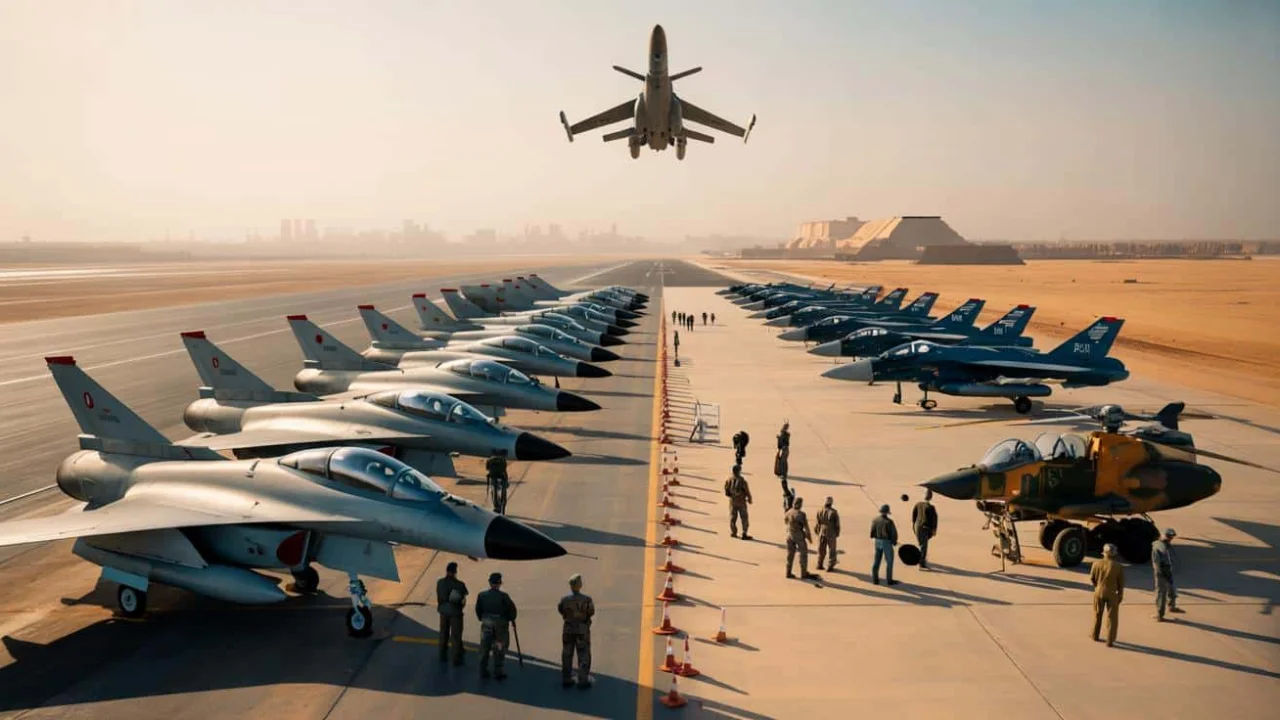
Picture this: Egyptian Air Force commanders are sitting in a briefing room, excitedly reviewing flight test data from Chinese J-10C fighters that had just performed aerial demonstrations over Cairo. The aircraft looked impressive on paper and in the sky. The price tag was reasonable. The deal seemed almost done.
Then their phones started ringing. Washington was calling, and the message was crystal clear: choose carefully, because your decision will have consequences far beyond buying new jets.
This isn’t just another arms deal gone wrong. The blocked sale of Chinese J-10C fighter jets to Egypt has become a masterclass in how America uses economic pressure and defense partnerships to keep allies in line. The story reveals the real power of CAATSA sanctions and shows why even countries seeking military independence often find themselves right back in America’s orbit.
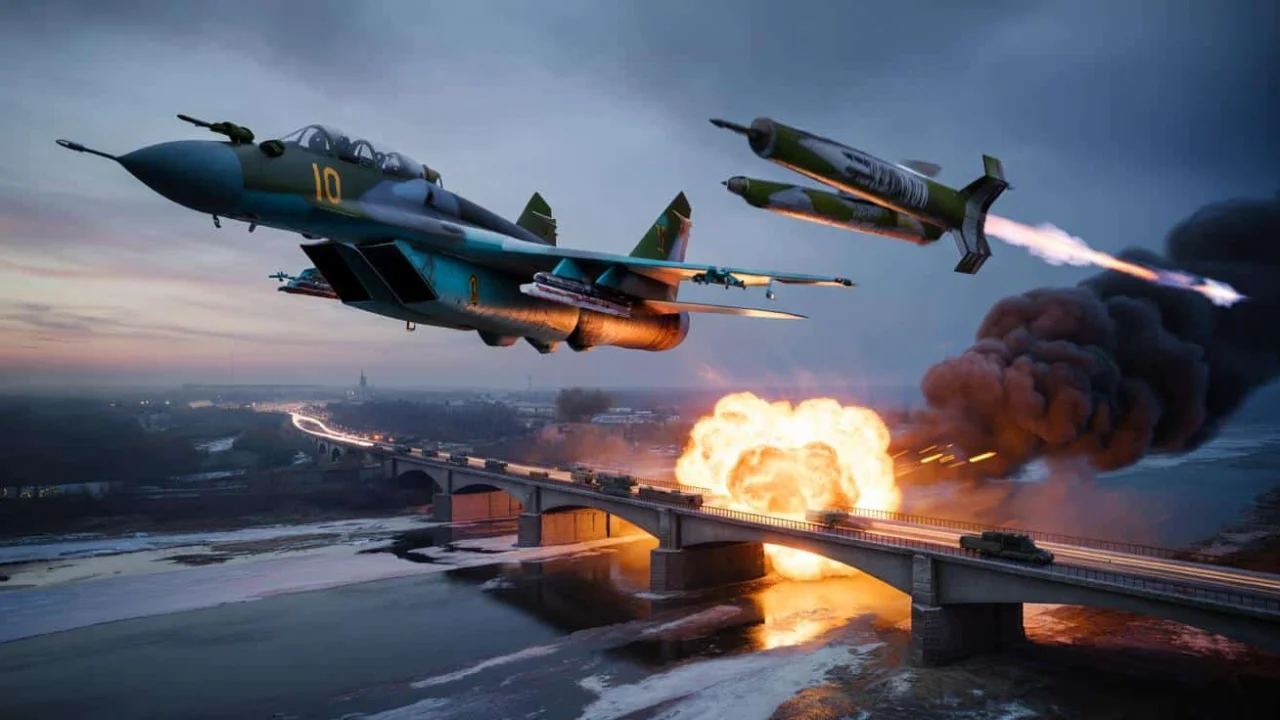
When Chinese Jets Meet American Roadblocks
The Countering America’s Adversaries Through Sanctions Act, better known as CAATSA, wasn’t designed with Egyptian fighter jets in mind. Congress passed this law in 2017 to punish Russia for election interference and other hostile activities. But like many sanctions regimes, CAATSA has grown far beyond its original purpose.
The law specifically targets “significant transactions” with Russia’s defense sector. Here’s where things get interesting for the J-10C deal: while the fighter itself is Chinese, its heart beats with Russian technology. The aircraft relies on Russian AL-31FN engines and other critical components that fall squarely under CAATSA’s crosshairs.
“Egypt found itself caught between wanting Chinese aircraft and needing American approval,” explains a defense industry analyst familiar with Middle Eastern arms deals. “The Russians supplied key parts, which made the whole deal a CAATSA violation waiting to happen.”
Egypt’s military leadership had legitimate reasons for exploring alternatives to American hardware. Diversifying suppliers reduces dependence on any single country and can lead to better prices through competition. The J-10C offered modern capabilities at a fraction of what comparable Western fighters would cost.

But Washington had other plans. Instead of simply threatening sanctions, American officials reportedly offered Egypt a comprehensive defense package worth $4.67 billion. The carrot-and-stick approach worked perfectly: Egypt abandoned the Chinese deal and signed up for more American equipment.
Breaking Down the CAATSA J-10C Crisis
Understanding how CAATSA derailed the Egyptian J-10C purchase requires looking at the key players and their motivations:

| Country/Entity | Role | Key Interest |
|---|---|---|
| Egypt | Buyer | Modernizing air force, reducing US dependence |
| China | Seller | Expanding defense exports, gaining Middle East foothold |
| Russia | Component supplier | Engine and technology provider for J-10C |
| United States | Sanctions enforcer | Maintaining defense partnership with Egypt |
The technical specifications that made the J-10C attractive also made it vulnerable to American pressure:
- Russian AL-31FN afterburning turbofan engines
- Advanced avionics systems with potential Russian components
- Weapons systems that could include Russian-origin technology
- Maintenance and training packages involving Russian expertise
Each of these elements potentially triggered CAATSA provisions. The law doesn’t just target direct purchases from Russia – it covers any “significant transaction” with sanctioned Russian entities, regardless of whether the final product comes from China, India, or anywhere else.
“The beauty of CAATSA from Washington’s perspective is its broad reach,” notes a former Pentagon official who worked on sanctions policy. “You don’t need to buy directly from Russia to get caught in the web.”
Egypt’s defense ministry quickly realized they faced a choice between Chinese fighters and continued American military aid. With over $1.3 billion in annual US military assistance at stake, plus access to American spare parts and support for existing equipment, the math became clear.
Real Consequences Beyond Fighter Jets
The CAATSA J-10C episode sends ripples far beyond Cairo’s military planning rooms. Countries worldwide are watching how America wielded sanctions threats to torpedo a defense deal that didn’t even directly involve Russian companies.
For Egypt specifically, the blocked purchase means several immediate challenges:
- Continued reliance on aging F-16 fleets that need expensive upgrades
- Limited bargaining power with American defense contractors
- Missed opportunity to develop relationships with alternative suppliers
- Potential delays in air force modernization plans
Other countries considering Chinese military equipment are taking notes. The message is unmistakable: even technically legal purchases can become politically impossible if they contain Russian components or technology.
“What we’re seeing is sanctions creep,” explains an international law expert specializing in economic warfare. “Laws written for one purpose get stretched to cover situations lawmakers never imagined.”
China’s defense industry faces its own set of problems. Beijing has invested heavily in developing export versions of advanced fighters like the J-10C, hoping to compete with American and European manufacturers. But Russian engine dependence creates a vulnerability that Washington can exploit anywhere in the world.
The Russian connection also highlights a broader challenge for countries trying to reduce dependence on American military hardware. Alternative suppliers often rely on components, technologies, or partnerships that ultimately trace back to sanctioned entities.
For military planners in countries like Egypt, this creates a frustrating reality. Diversification looks good on paper, but sanctions regimes make it practically difficult to implement. The result is continued dependence on American systems, exactly what CAATSA was designed to achieve in the broader context of countering Russian and Chinese influence.
The Egyptian experience demonstrates how modern sanctions work as tools of strategic competition. Rather than simply punishing specific bad behavior, they shape entire defense markets by making alternative suppliers less attractive or accessible.
FAQs
What exactly is CAATSA and why does it affect Chinese aircraft sales?
CAATSA is a 2017 US law targeting Russian defense and intelligence sectors. It affects Chinese aircraft like the J-10C because they contain Russian engines and components, making any purchase a “significant transaction” with sanctioned Russian entities.
Why didn’t Egypt just ignore the CAATSA threats and buy the J-10C anyway?
Egypt receives over $1.3 billion annually in US military aid and depends on American support for its existing F-16 fleet. Violating CAATSA could have triggered sanctions that would have cost far more than the J-10C purchase was worth.
Could China modify the J-10C to avoid Russian components and bypass CAATSA?
Theoretically yes, but replacing the Russian AL-31FN engine would require significant redesign and testing. China is developing indigenous engines, but they’re not yet ready for export versions of the J-10C.
Are other countries facing similar pressure over Chinese military equipment?
Yes, several countries have scaled back or cancelled Chinese defense purchases due to CAATSA concerns. The law’s broad language affects any military equipment containing Russian components, regardless of the final manufacturer.
What did the US offer Egypt instead of the Chinese fighters?
Reports suggest Washington offered a comprehensive defense package worth $4.67 billion, likely including upgrades to existing F-16s and other American military equipment to modernize Egypt’s air force.
Does this mean Egypt will never be able to diversify its military suppliers?
Not necessarily, but Egypt will need to find suppliers that don’t rely on Russian technology or components. This significantly limits options and often means paying higher prices for European or other Western alternatives.
About the Author