Last week at the farmers market, I watched a woman stare at two vegetables with complete confusion. In one hand, she held a head of cauliflower. In the other, a bunch of kale. “These can’t possibly be related,” she muttered to her friend. “One’s white and looks like a brain, the other’s green and leafy.” Her friend nodded in agreement, equally puzzled by the produce aisle mysteries.

What they didn’t know would have blown their minds. Those two completely different-looking vegetables? They’re basically twins.
We’ve all been there, treating vegetables like they’re from different planets when they’re actually from the same family tree. Sometimes, they’re not just related – they’re literally the exact same plant, just dressed up differently for dinner.

The incredible shape-shifting vegetable family
Meet brassica oleracea vegetables, the ultimate botanical shapeshifters. This single plant species has been manipulated by humans for thousands of years to create what we now consider completely separate vegetables. It’s like nature’s version of a costume party, except each costume became so convincing that we forgot they were all the same person underneath.
“People are genuinely shocked when I tell them that broccoli and Brussels sprouts are the same species,” says Dr. Maria Santos, a plant geneticist at the University of California. “They look at me like I’ve lost my mind, but it’s absolutely true.”

Here’s the wild part: every single brassica oleracea vegetable started as the same wild cabbage plant growing along Mediterranean coastlines. Through selective breeding over centuries, farmers emphasized different parts of the plant. Want bigger leaves? Keep breeding plants with the biggest leaves. Prefer tight flower buds? Focus on those. Fancy dense stems? You got it.
The result? A vegetable family reunion that would confuse anyone.

Your grocery list’s hidden family connections
Let’s break down exactly which vegetables are playing dress-up at your local supermarket. The brassica oleracea family tree includes some surprising relatives:
| Vegetable | Plant Part We Eat | What Farmers Emphasized |
|---|---|---|
| Cabbage | Leaves | Large, tightly packed leaves |
| Kale | Leaves | Loose, curly leaves |
| Brussels Sprouts | Leaf buds | Small buds along the stem |
| Broccoli | Flower heads | Dense, green flower clusters |
| Cauliflower | Flower heads | White, compact flower heads |
| Kohlrabi | Stem | Swollen, bulbous stem |
| Collard Greens | Leaves | Large, flat leaves |
But the brassica family isn’t the only one pulling this trick. Consider these other botanical shapeshifters:

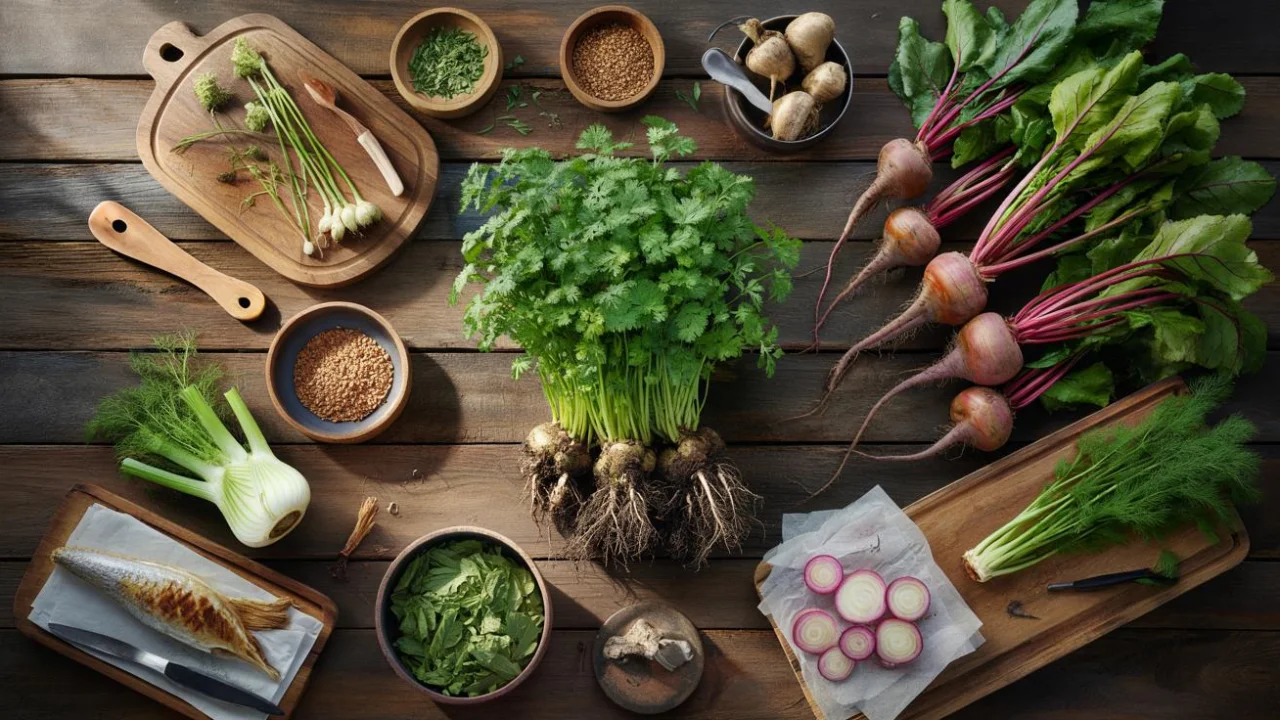
- Beets and Swiss chard: Same plant (Beta vulgaris), but beets focus on the root while chard emphasizes the leaves
- Cilantro and coriander: Identical plant at different stages – fresh leaves versus dried seeds
- Scallions, onions, and leeks: All variations of Allium cepa, harvested at different growth stages
- Turnips and rutabagas: Both Brassica rapa, just different varieties
“The grocery store is basically full of botanical illusions,” explains chef and food historian James Rodriguez. “We’ve created this artificial separation between vegetables that nature never intended.”
Why this vegetable identity crisis matters
Understanding these plant relationships isn’t just botanical trivia – it can actually change how you cook and eat. When you realize that broccoli and cauliflower are siblings, it makes perfect sense that they work well together in recipes. They have similar cooking times, complementary flavors, and nearly identical nutritional profiles.
This knowledge also explains why certain vegetables share flavors. That slightly bitter, earthy taste you notice in kale? You’ll find hints of it in cabbage, Brussels sprouts, and even broccoli stems. They’re all expressing the same genetic heritage.
From a practical standpoint, knowing these connections can save you money and reduce food waste. If a recipe calls for expensive kale and you have cheaper cabbage at home, you can often substitute one for the other with minor adjustments.
“Once people understand these relationships, they become much more adventurous cooks,” notes nutritionist Dr. Sarah Kim. “They realize that if they like one vegetable in this family, they might enjoy others too, even if they look completely different.”
The environmental impact is significant as well. These vegetables often have similar growing requirements, meaning farmers can rotate between different brassica varieties in the same fields. This biodiversity helps maintain soil health while giving consumers variety.
Perhaps most importantly, this botanical reality check reminds us how much human intervention has shaped our food system. Every time you bite into a Brussels sprout, you’re tasting thousands of years of agricultural innovation. Farmers didn’t just grow food – they literally sculpted it, transforming a single wild plant into a dozen different vegetables.
The next time you’re wandering through the produce section, take a moment to appreciate the incredible diversity hiding in plain sight. That humble cabbage isn’t so different from the trendy kale after all. They’re family, sharing the same DNA, the same basic blueprint, just expressing it in wonderfully different ways.
Your grocery cart might contain several members of the same plant family without you realizing it. And honestly? That makes your vegetable drawer a lot more interesting than you ever imagined.
FAQs
Are Brussels sprouts really the same plant as broccoli?
Yes, both are varieties of brassica oleracea, just bred to emphasize different plant parts – Brussels sprouts focus on leaf buds while broccoli emphasizes flower heads.
Can I substitute one brassica vegetable for another in recipes?
Often yes, though cooking times and flavors may vary slightly. Kale and cabbage work well as substitutes, as do broccoli and cauliflower in most dishes.
Why do these vegetables taste so different if they’re the same plant?
Different plant parts contain varying concentrations of compounds, and selective breeding has enhanced certain flavors while reducing others over thousands of years.
Are there other vegetable families with similar hidden connections?
Absolutely! Beets and Swiss chard, various onion types, and even different squashes often share the same species despite looking completely different.
Do these related vegetables have similar nutritional values?
Generally yes, though specific nutrients may concentrate differently – for example, broccoli flowers are higher in certain vitamins than cabbage leaves.
How did farmers create so many different vegetables from one plant?
Through selective breeding over centuries, farmers saved seeds from plants with desired traits and gradually emphasized different characteristics like leaf size, stem thickness, or flower development.
About the Author