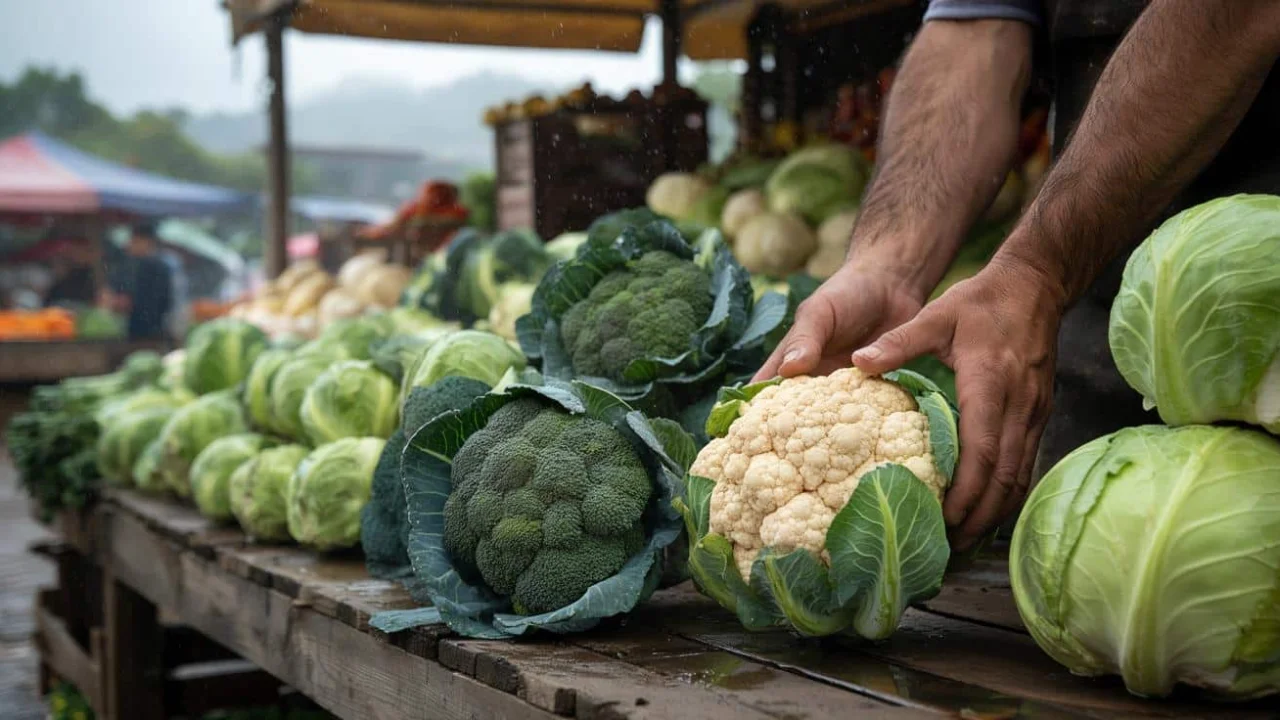
Last Tuesday, I was wandering through the farmer’s market when I overheard a conversation that stopped me in my tracks. A little girl was pointing at the vegetable stalls, asking her grandmother why cauliflower, broccoli, and cabbage all “looked like they came from the same family.” Her grandmother chuckled and said they were just being silly.

But here’s the thing – that six-year-old was absolutely right. More right than most adults realize.
What she spotted with fresh eyes is something that would blow your mind if you really thought about it. Those three completely different vegetables sitting in separate bins, with different price tags and different recipes, are actually the same plant. Not similar plants. Not distant relatives. The exact same species.

The Great Vegetable Masquerade
Meet Brassica oleracea – the botanical shapeshifter hiding in plain sight in every grocery store. This single species has managed to disguise itself as cauliflower, broccoli, cabbage, kale, Brussels sprouts, and even kohlrabi. It’s like nature’s greatest costume party, and we’ve been completely fooled.
“When I tell people that their Sunday roast cauliflower and their Tuesday night stir-fry broccoli are genetically identical, they look at me like I’ve lost my mind,” says Dr. Sarah Mitchell, a plant geneticist at Cornell University. “But it’s absolutely true. We’re looking at thousands of years of human creativity, not different plants.”
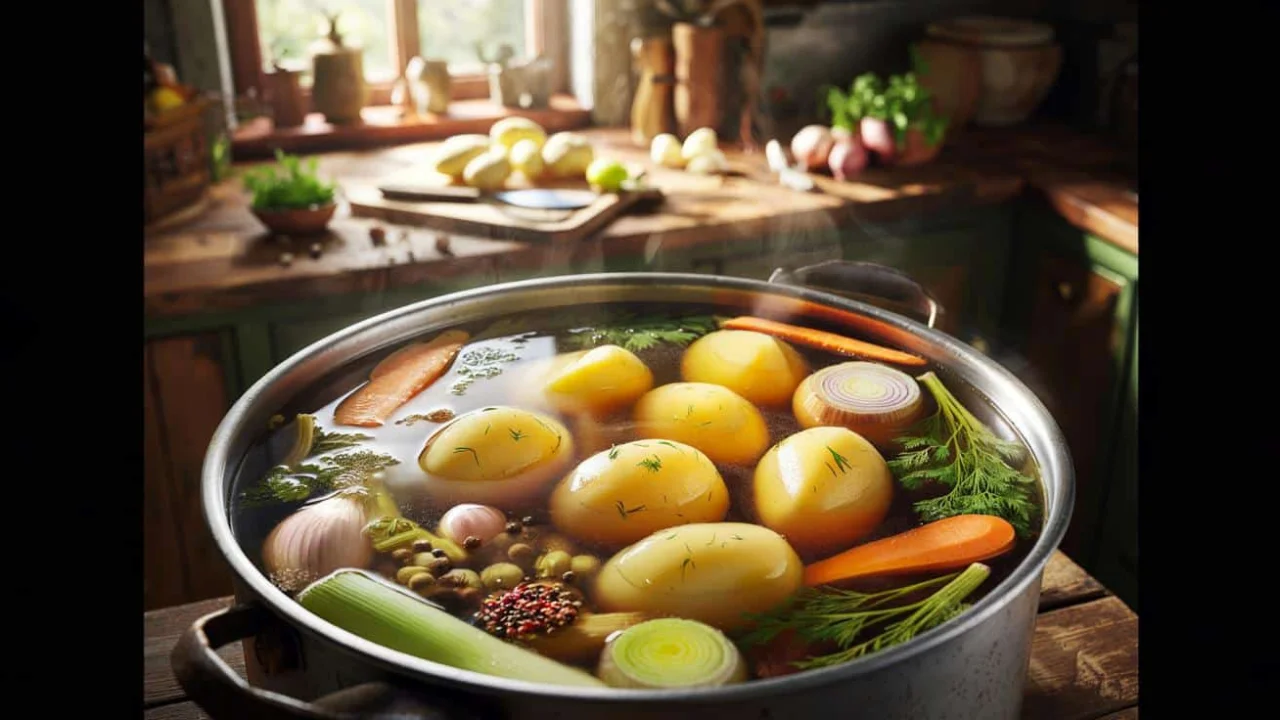
Think about it this way: imagine you had a lump of clay, and different artists each took a piece to create something unique. One sculptor focused on making the most elaborate flower cluster. Another decided to pack leaves as tightly as possible. A third artist went wild creating tiny Brussels sprout rosettes.
That’s exactly what happened with brassica oleracea varieties. Ancient farmers were the artists, and selective breeding was their tool.
How One Wild Plant Became Six Different Vegetables
The story starts on the rocky coasts of western Europe, where wild cabbage still grows today. This tough, unremarkable plant caught the attention of early farmers who began selecting seeds from plants with interesting traits.
Here’s where it gets fascinating. Each culture that adopted this plant focused on different parts:
- Mediterranean farmers loved the flower heads and created what we now call broccoli
- Northern Europeans wanted bigger leaves and developed cabbage
- Later innovators found plants with dense, white flower clusters and created cauliflower
- Belgian farmers got creative with tiny leaf buds, giving us Brussels sprouts
- German growers focused on swollen stems, creating kohlrabi
- Scottish agriculturalists emphasized curly leaves for what became kale
The process wasn’t quick. “We’re talking about 2,500 years of patient selection,” explains Professor James Chen, a horticultural researcher. “Each generation, farmers saved seeds from plants that showed more of the traits they wanted. Bigger flowers, tighter heads, curlier leaves.”
| Vegetable | Plant Part Enhanced | Region of Development | Approximate Timeline |
|---|---|---|---|
| Cabbage | Leaves | Northern Europe | 600 BC |
| Broccoli | Flower clusters | Italy | Roman times |
| Cauliflower | Immature flowers | Cyprus/Turkey | 1200s AD |
| Brussels Sprouts | Leaf buds | Belgium | 1400s AD |
| Kale | Leaf structure | Scotland | Middle Ages |
What’s remarkable is how dramatically different these vegetables became while staying genetically almost identical. Broccoli focuses all its energy on creating those tree-like flower clusters. Cauliflower does the same thing, but keeps the flowers white and densely packed. Cabbage completely ignores flowers and puts everything into creating massive, tightly wrapped leaves.
Why This Changes Everything About How We Eat
Understanding that these brassica oleracea varieties are the same plant isn’t just botanical trivia – it has real implications for your kitchen and your health.
First, if you hate one of these vegetables, you might want to give its siblings another chance. “People who think they don’t like cabbage often love roasted cauliflower,” notes nutritionist Dr. Maria Rodriguez. “They’re essentially eating the same plant prepared in a completely different way.”
The nutritional profiles are remarkably similar too. All brassica oleracea varieties are packed with vitamin C, fiber, and compounds called glucosinolates that may help fight cancer. Brussels sprouts aren’t inherently more nutritious than cabbage – they’re just a different expression of the same genetic package.
This knowledge is also reshaping how plant breeders approach new varieties. Instead of thinking about improving separate vegetables, they’re working with one incredibly adaptable plant that can be pushed in countless directions.
Recent innovations include purple cauliflower (borrowing genes that were already in the plant), broccolini (a cross between broccoli and Chinese broccoli, another brassica variety), and rainbow-colored Brussels sprouts.
“We’ve barely scratched the surface of what this plant can do,” says plant breeder Dr. Kevin Murphy. “Every few years, someone discovers a new way to express traits that were sitting there in the DNA all along.”
The next time you’re standing in the produce aisle, take a moment to appreciate the incredible story playing out in those neat rows of vegetables. You’re looking at thousands of years of human ingenuity and plant adaptability, all disguised as your weekly grocery shopping.
That wild cabbage growing on European cliffs had no idea it would one day become six different dinner options. But thanks to generations of curious farmers and the plant’s remarkable flexibility, your grandmother’s coleslaw and your trendy cauliflower rice are really just two faces of the same amazing botanical chameleon.
FAQs
Are cauliflower, broccoli, and cabbage really the same plant?
Yes, they’re all varieties of Brassica oleracea, developed through thousands of years of selective breeding from the same wild ancestor.
Do all these vegetables have the same nutritional value?
They’re very similar nutritionally, all high in vitamin C, fiber, and beneficial plant compounds, though exact amounts may vary slightly between varieties.
Can you crossbreed these vegetables with each other?
Absolutely! Since they’re the same species, they can interbreed easily, which is how we get hybrids like broccolini.
How long did it take to develop these different varieties?
The process took thousands of years, with some varieties like cabbage dating back to 600 BC and others like Brussels sprouts appearing in the 1400s.
What other vegetables are actually the same plant?
Brussels sprouts, kale, and kohlrabi are also Brassica oleracea varieties, making it six common vegetables from one species.
Could new varieties still be developed from this plant?
Yes! Plant breeders are constantly creating new varieties by selecting for different traits already present in the Brassica oleracea genome.
About the Author