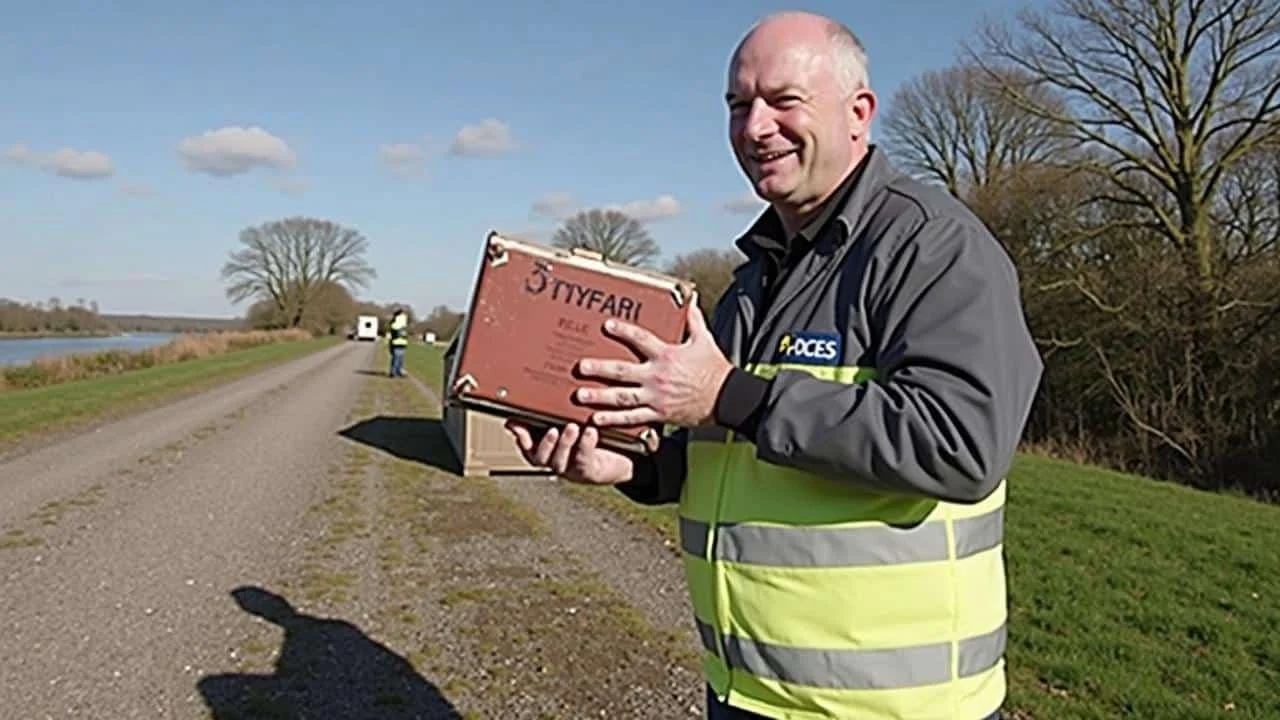
Picture this: you’re cleaning your desk after a long day, tossing old electronics into a bag destined for the recycling center. A routine task we’ve all done countless times. But what if that innocent moment of tidying up cost you €737 million?

That’s exactly what happened to James Howells in 2013. One simple mix-up between two identical hard drives turned into the most expensive cleaning mistake in history. Now, after 12 years of heartbreak and legal battles, Hollywood might just give him the break he desperately needs.
This isn’t just another tech story. It’s a reminder of how quickly our digital lives can slip through our fingers, and how one man’s obsession with a bitcoin landfill search has captured the world’s imagination.

When Spring Cleaning Goes Horribly Wrong
James Howells was an early bitcoin adopter back when the cryptocurrency was worth pennies. In 2009, he mined 8,000 bitcoins on his laptop – a hobby project that seemed more like a digital experiment than an investment strategy.
The fateful day arrived during a routine desk cleanup in Newport, Wales. James had two identical hard drives sitting on his desk. One was blank and broken. The other contained his bitcoin wallet with 8,000 coins. In a moment of distraction, he grabbed what he thought was the broken drive and tossed it into a black bag heading to the local landfill.
“I realized my mistake a few days later,” explains data recovery specialist Mike Johnson. “By then, the drive was already buried under tons of household waste. It’s like looking for a needle in a haystack, except the haystack is the size of a football field.”
At the time, those 8,000 bitcoins were worth around £500,000 – enough to sting, but not enough to make headlines. James contacted Newport City Council about recovering the drive, but officials shut him down immediately. Too dangerous, too expensive, too complicated.

Then bitcoin’s value started climbing. And climbing. And climbing.
The Search That Became an Obsession
As bitcoin’s price soared from hundreds to thousands to tens of thousands of euros, James’s “annoying mistake” transformed into a life-consuming mission. That bitcoin landfill search evolved from a simple inquiry to a multi-million-euro recovery operation.
Here’s what makes this story so compelling:
- The hard drive contains 8,000 bitcoins worth approximately €737 million today
- It’s buried somewhere in Newport’s Docksway landfill site
- The landfill contains over 1.4 million tons of waste
- James has spent 12 years fighting for permission to dig
- Multiple investors have offered to fund the search operation
“This isn’t just about one man’s mistake anymore,” says blockchain consultant Sarah Chen. “It’s become a symbol of how valuable digital assets can be, and how careful we need to be with our private keys.”
The technical challenges are staggering. After more than a decade buried in compressed waste, the hard drive faces several threats:
| Challenge | Impact on Recovery | Potential Solution |
|---|---|---|
| Physical damage | Crushing from weight above | Professional data recovery labs |
| Corrosion | Metal components degrading | Specialized cleaning techniques |
| Location | 1.4 million tons to search | AI-powered sorting systems |
| Time pressure | Further degradation daily | Immediate excavation needed |
James hasn’t been sitting idle during these 12 years. He’s assembled a team of engineers, environmental specialists, and data recovery experts. His latest proposal includes using AI and machine learning to identify the specific area where his drive might be located, based on waste disposal records from 2013.
Hollywood Comes Calling
The breakthrough James has been waiting for might not come from technology or legal pressure – it might come from entertainment. A major streaming platform has greenlit a documentary series about his bitcoin landfill search, and the production deal includes something unprecedented: real financial backing for the actual recovery operation.
“Streaming services are always looking for compelling human stories,” explains entertainment industry analyst Mark Rodriguez. “This has everything – technology, treasure hunting, human drama, and a ticking clock. It’s television gold.”
The TV series represents more than just media coverage. It provides James with something he’s never had before: serious financial muscle and public attention that could finally pressure Newport City Council to approve the excavation.
The production company has reportedly allocated several million euros for the actual search operation, treating it as both content creation and investment opportunity. If they find the hard drive and recover the bitcoins, everyone wins. If they don’t, they still have a fascinating story about digital age obsession.
“The cameras change everything,” notes environmental lawyer David Kim. “Suddenly this isn’t just about one person’s request. It’s about a major media production with insurance, safety protocols, and professional oversight.”
Newport City Council has remained resistant to the idea for over a decade, citing environmental concerns and safety risks. But the involvement of a major production company – with proper insurance and environmental specialists – might finally tip the scales.
What This Means for Everyone
James Howells’ story resonates because it represents our worst digital nightmares made real. How many of us have old hard drives, USB sticks, or phones gathering dust in drawers? How many contain forgotten cryptocurrency wallets, family photos, or important documents?
The bitcoin landfill search has already inspired changes in how people think about digital asset storage:
- Hardware wallet sales have surged as people seek safer storage options
- Backup strategies have become more sophisticated
- Insurance companies now offer cryptocurrency coverage
- Data recovery specialists report more inquiries about old devices
“James’s story is a cautionary tale, but it’s also educational,” explains cryptocurrency security expert Lisa Wang. “It shows people the real value of proper backup procedures and secure storage methods.”
The upcoming TV series could spark even more awareness. When millions of viewers watch James’s 12-year quest unfold on screen, many will undoubtedly rush to check their own old devices for forgotten digital treasures.
But the story also raises bigger questions about waste management and environmental responsibility. If the search goes ahead, it will be one of the most expensive and high-profile landfill excavations in history. The environmental impact must be carefully managed, and the site properly restored afterward.
For James, though, these broader implications matter less than the simple hope of redemption. After 12 years of bureaucratic battles, technical challenges, and personal obsession, he might finally get his chance to undo that fateful cleaning mistake from 2013.
Whether the bitcoin landfill search succeeds or fails, it will be must-watch television. And for James Howells, that might be the most valuable outcome of all – turning his tragedy into triumph, regardless of what lies buried beneath those Welsh hills.
FAQs
How much are James Howells’ lost bitcoins worth today?
The 8,000 bitcoins on the lost hard drive are worth approximately €737 million at current market prices.
Why hasn’t Newport City Council allowed the search before now?
Officials have cited environmental risks, safety concerns, and the massive cost and complexity of excavating 1.4 million tons of waste.
What are the chances of finding and recovering the hard drive?
Data recovery experts say the chances are slim but not impossible, depending on the drive’s physical condition after 12 years underground.
How will the TV series help James’s search efforts?
The production company is providing financial backing for the actual recovery operation and bringing media pressure that could influence local authorities.
Could this happen to other cryptocurrency owners?
Yes, experts estimate that around 20% of all existing bitcoins are lost forever due to forgotten passwords, lost devices, or similar mistakes.
What happens if they actually find the bitcoins?
James would likely become one of the wealthiest people in Wales overnight, though he’d need to pay significant taxes and recovery costs first.
About the Author
