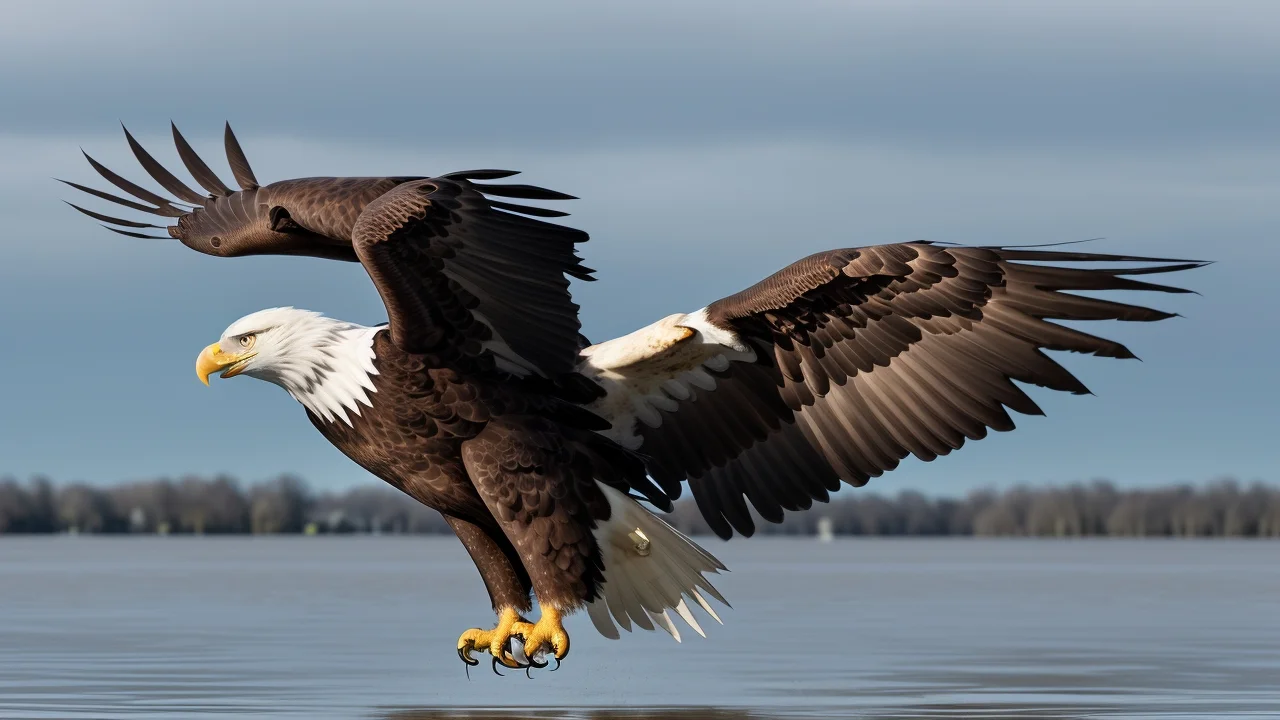
Sarah bundled up her eight-year-old daughter Emma in three layers of winter gear, knowing the March morning would be crisp along the lake. “Will we really see the big eagles, Mom?” Emma asked for the tenth time that week. Sarah smiled, remembering her own childhood wonder at spotting her first bald eagle—a moment that sparked a lifelong love of nature.

Stories like this will unfold across Onondaga Lake on March 7, as families gather for one of Central New York’s most anticipated wildlife viewing events. There’s something magical about watching a child’s face light up when they spot their first bald eagle soaring overhead—a moment that connects us to the remarkable conservation success story happening right in our backyard.
The annual Bald Eagle Adventures at Onondaga Lake represents more than just a fun family outing. It’s a celebration of one of America’s greatest conservation victories and a chance to witness nature’s resilience firsthand.

Why Bald Eagles Choose Onondaga Lake for Their Winter Home
The transformation of Onondaga Lake from a polluted industrial site to a thriving ecosystem is nothing short of remarkable. Today, this restored habitat attracts dozens of bald eagles each winter, making it one of the premier eagle-watching destinations in New York State.
“The restored shoreline and wetlands offer prime roosting and feeding areas for bald eagles, which rely on the lake’s fish supply in winter,” explains Chris Lajewski, director of Audubon’s Onondaga Lake Conservation Corps and Montezuma Audubon Center.

Onondaga Lake holds the prestigious designation of an Audubon Important Bird Area, recognizing its critical role in supporting numerous bird species during the harsh winter months. The lake’s open water provides essential resources when other water sources freeze over, creating a winter oasis for wildlife.
The timing of the Bald Eagle Adventures couldn’t be better. March marks the peak of bald eagle activity at the lake, as these magnificent birds prepare for their spring migration and nesting season.
What to Expect During Your Eagle Adventure
The Onondaga Lake Conservation Corps has designed this experience to be accessible for nature lovers of all ages and abilities. Here’s everything you need to know about participating in this unforgettable wildlife adventure:
| Event Details | Information |
|---|---|
| Date | Saturday, March 7 |
| Session Times | 10:00-11:00 AM or 12:00-1:00 PM |
| Duration | 1 hour guided experience |
| Walking Distance | Half-mile along paved trail |
| Cost | Adults: $10, Children: $8 |
| Registration | Required – call 315-365-3588 |
The adventure begins near the Onondaga Creekwalk trail by Destiny USA, following a flat, paved path that may be snow-covered but remains accessible. National Audubon Society staff and trained volunteers will guide participants along the shoreline, sharing fascinating insights about bald eagle behavior and the species’ incredible recovery from near extinction.

Professional-grade equipment enhances the experience:
- High-quality binoculars provided for all participants
- Spotting scopes for detailed eagle observation
- Field guides to help identify various bird species
- Expert guidance from experienced naturalists
“We’ve seen families return year after year because this experience creates such lasting memories,” notes one Audubon volunteer. “Children who attend often develop a deeper appreciation for wildlife conservation that stays with them throughout their lives.”
Beyond Eagles: A Winter Wildlife Wonderland
While bald eagles steal the show, participants in the Bald Eagle Adventures often discover that Onondaga Lake hosts an impressive array of winter waterfowl. The restored habitat supports thousands of birds during the coldest months, creating spectacular viewing opportunities.
Visitors frequently spot these fascinating species during their lakeside adventure:
- Common mergansers with their distinctive crested heads
- American black ducks, hardy survivors of harsh winters
- Greater and lesser scaup, diving ducks that feed in deeper waters
- Common goldeneye, known for their striking yellow eyes
- Bufflehead, small diving ducks with bold black and white plumage
- Hooded mergansers, featuring dramatic fan-shaped crests
- Mallards, the familiar ducks that many consider gateway birds to birding
- Redheads and ring-necked ducks, adding variety to the waterfowl community
The diversity of species reflects the health of the restored ecosystem. Each bird plays a role in the lake’s ecological balance, from the fish-eating mergansers to the vegetation-browsing mallards.
“The variety of waterfowl tells us that our restoration efforts are working,” explains one conservation expert. “When you see this many species thriving together, you know the habitat is providing everything they need to survive.”
Conservation Success Story in Action
The Bald Eagle Adventures offer participants a front-row seat to one of America’s most inspiring conservation success stories. Just decades ago, bald eagles faced extinction due to DDT poisoning and habitat loss. Today, their presence at Onondaga Lake demonstrates the power of dedicated conservation efforts.
The transformation extends beyond just eagle recovery. Onondaga Lake itself underwent extensive remediation after years of industrial pollution. The cleanup efforts, combined with habitat restoration, have created an environment where both eagles and countless other species can thrive.
Families who participate in these adventures become part of this ongoing success story. Many leave with a deeper understanding of how individual actions can contribute to conservation efforts, inspiring them to make environmentally conscious choices in their daily lives.
“When people see bald eagles up close, something clicks,” observes a longtime event organizer. “They realize that conservation isn’t just about protecting animals—it’s about preserving the natural world that we all depend on.”
The educational component of the Bald Eagle Adventures extends far beyond the one-hour experience. Participants learn about the interconnected nature of ecosystems, the importance of clean water, and the role that restored habitats play in supporting biodiversity.
Parents often report that their children become more interested in nature and conservation after attending the event. Some families make the adventure an annual tradition, watching as their children grow alongside the recovering eagle population.
The March 7 event represents just one day in an ongoing conservation effort that continues year-round. The Onondaga Lake Conservation Corps works constantly to maintain and improve the habitat that supports these magnificent birds and countless other species.
FAQs
What should I wear for the Bald Eagle Adventures?
Dress warmly in layers and wear waterproof boots, as the paved trail may be snow-covered or icy in March.
Are the guided walks suitable for young children?
Yes, the half-mile paved trail is family-friendly and accessible for children of all ages, though parents should consider their child’s attention span for the one-hour duration.
What happens if eagles don’t appear during my session?
While eagle sightings aren’t guaranteed, the lake consistently attracts multiple eagles throughout March, and you’ll see plenty of other fascinating waterfowl even if eagles are less active.
Can I bring my own binoculars or camera?
Absolutely! While binoculars are provided, you’re welcome to bring your own equipment, and cameras are encouraged for capturing memories.
Is parking available near the starting point?
Yes, parking is available near Destiny USA where the Onondaga Creekwalk trail begins, though spaces may be limited during busy periods.
How far in advance should I register?
Registration is required and space is limited, so it’s recommended to call 315-365-3588 as soon as possible to secure your spot for this popular annual event.
About the Author