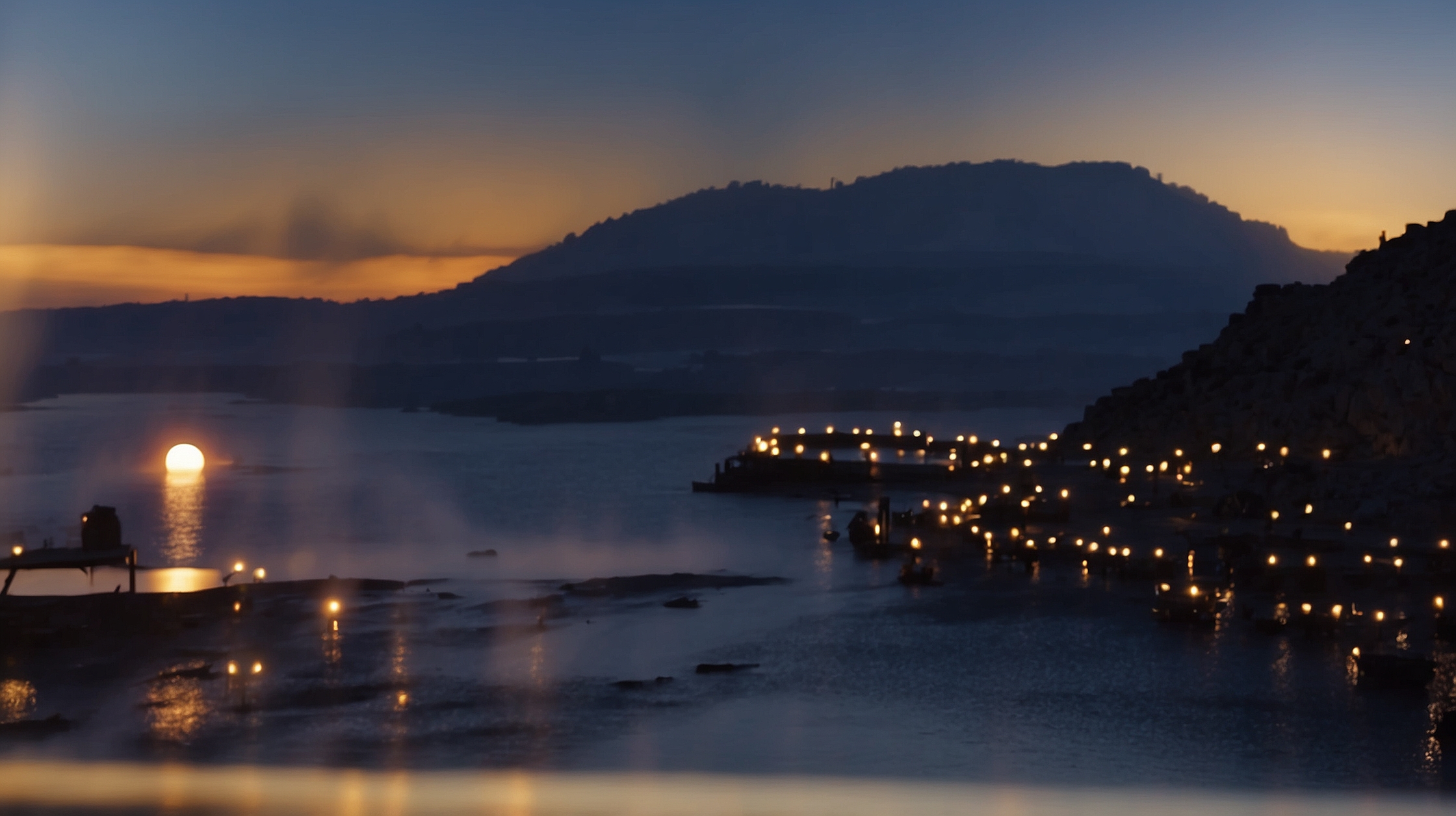

The sky is preparing to stage one of the most spectacular astronomical events of our lifetime: the **longest solar eclipse of the 21st century**. Astronomers around the world have pinpointed the exact date for this celestial marvel, and to the surprise of many, it’s going to happen sooner than originally expected. This event isn’t just a rare chance to witness nature’s grandeur—it promises to become an unforgettable moment for skywatchers and scientists alike.

As we approach the day when the Moon will momentarily engulf the Sun in its shadow, excitement builds across continents. Eclipses of this magnitude do not come around often, and the anticipation for what many are calling the “Eclipse of the Century” is growing rapidly. From viewing locations to safety precautions, here’s everything you need to know about this extraordinary solar phenomenon.
Key facts about the upcoming solar eclipse
| Event | Longest Solar Eclipse of the 21st Century |
|---|---|
| Date | August 2, 2027 |
| Maximum Duration | 6 minutes and 23 seconds |
| Visible From | North Africa, Middle East, parts of southern Europe |
| Eclipse Type | Total Solar Eclipse |
| Next Eclipse of Similar Duration | June 13, 2132 |
Why this solar eclipse is so special
While solar eclipses happen several times a year in different parts of the world, not all of them are created equal. What makes this one truly stand out is its **exceptional length and visibility range**. A total eclipse of up to 6 minutes and 23 seconds is unprecedented in recent decades, making it the **longest total eclipse** since July 22, 2009, which lasted a little over 6 minutes.

Additionally, the eclipse route covers areas that offer generally good weather conditions in early August, increasing the odds of clear skies. From the deserts of Egypt to coastal towns in southern Europe, millions of people will be able to witness this phenomenon under ideal conditions. The combination of **maximum duration**, **broad visibility**, and **favorable viewing conditions** make this a once-in-a-century event.
What causes such a long total eclipse
The duration of a total solar eclipse depends on several astronomical variables including the distances between the Earth, Moon, and Sun, and their relative positions during the event. On August 2, 2027, all these variables align in a way that maximizes the time of totality.

During this eclipse, the Moon will be at its closest point to Earth—called perigee—just a day before it passes between the Sun and the Earth. Consequently, the Moon will appear slightly larger in the sky, covering the Sun more completely and for a longer time. Likewise, the Earth will be near aphelion, its farthest point from the Sun, making the Sun appear slightly smaller. These combined effects result in a longer, more dramatic eclipse.
It’s like the cosmos is giving us a perfectly timed symphony of movement—one that maxes out every parameter we can hope for in an eclipse.
— Dr. Claudia Fenton, AstrophysicistAlso Read Day will turn to night during the century’s longest total solar eclipse
Where to see it: prime viewing locations
One of the things that sets this eclipse apart is its **wide path across multiple continents**. The eclipse will begin over the Atlantic Ocean and move eastward, becoming visible in parts of West Africa before sweeping across North Africa, the eastern Mediterranean, and parts of the Middle East.
Some of the best places to witness the full eclipse include:
- Luxor and Aswan in Egypt
- Western Saudi Arabia
- Gibraltar and southern Spain (partial visibility)
- Coastal towns in Sudan and Libya
- Red Sea resorts
Travelers should plan in advance, as these regions are expected to become popular eclipse tourism hotspots with hotels and observation tours likely to be in high demand.
Winners and losers of eclipse visibility
| Winners | Losers |
|---|---|
| Egyptians and tourists in North Africa | Much of North America |
| Amateur and professional astronomers in Middle East | China, East Asia, and Oceania |
| Luxury desert resorts offering eclipse tours | Parts of northern and central Europe |
Viewing safely remains a top priority
Despite the excitement, it’s important to remember that **safety must be paramount** when observing an eclipse. Looking directly at the Sun—even when it’s partially obscured—can cause permanent eye damage. Only during the few minutes of totality is it safe to view the eclipse with the naked eye. For all other phases, use **certified eclipse glasses** or a **solar filter** on telescopes and cameras.
Organizations are already launching awareness campaigns, and astronomers advise the public to stock up on eclipse glasses well before August 2027, as last-minute shortages are common during such events.
We always remind spectators that the beauty of an eclipse lies in both what you see and how responsibly you witness it.
— Dr. Maya Serban, Solar Observation Specialist
The science opportunities behind the spectacle
Apart from public spectacle, this eclipse presents an invaluable opportunity for scientists. **Solar physicists** will use this rare extended window to study the Sun’s corona—its outermost atmosphere—which can only be observed clearly during total eclipses. Understanding the corona is vital for learning more about **space weather**, which affects satellite operations and radio communications on Earth.
In addition, the event allows researchers to test general relativity and gravitational lensing, replicating some of the validations originally made during eclipses in the early 20th century.
This eclipse gives us longer-than-usual eyes on the corona—30% longer than most eclipses we get in modern times.
— Prof. Anil Mukherjee, Space Weather Scientist
How you can prepare today
With just a few years remaining, now is the time to begin preparations. Some steps to consider include:
- Identifying optimal viewing locations based on the path of totality
- Monitoring weather patterns in different regions for visibility forecasts
- Booking accommodations early, especially in touristic zones within the eclipse path
- Purchasing ISO-certified eclipse glasses and safe solar filters for equipment
- Joining local astronomy clubs or events to share the experience with experts
According to experts, the 2027 eclipse will likely spark a surge in astronomy interest globally, reminiscent of science booms seen after historical total eclipses. Whether you’re planning to travel or watch from your backyard, one thing is certain—August 2, 2027, will be a day etched in astronomy history.
Frequently Asked Questions
When exactly will the eclipse occur?
The longest totality will take place on **August 2, 2027**, with the peak time varying based on location.
How long will the total portion of the eclipse last?
The **maximum duration** of totality will be approximately **6 minutes and 23 seconds**, making it the longest this century.
Where is the best place to view the eclipse?
Ideal viewing spots include **Luxor, Egypt**, **western Saudi Arabia**, and coastal areas of **North Africa** along the Red Sea.
Is it safe to look at a solar eclipse with sunglasses?
No. Regular sunglasses do **not block enough light** and are unsafe. Use **ISO-certified** eclipse glasses or filters.
What makes this eclipse longer than usual?
A combination of the **Moon being at perigee**, the **Earth at aphelion**, and favorable alignment increase the eclipse’s duration.
Will the eclipse be visible in North America?
Sadly, no. **North America will miss the eclipse**, as it will occur during nighttime hours there.
How often do eclipses like this happen?
Total eclipses happen every **18 months** somewhere on Earth, but ones with this duration happen only **once a century or less**.
Can I take photos of the eclipse?
Yes, but remember to use a **solar filter on your camera lens** to prevent damage. During totality, filters can be removed temporarily.
About the Author