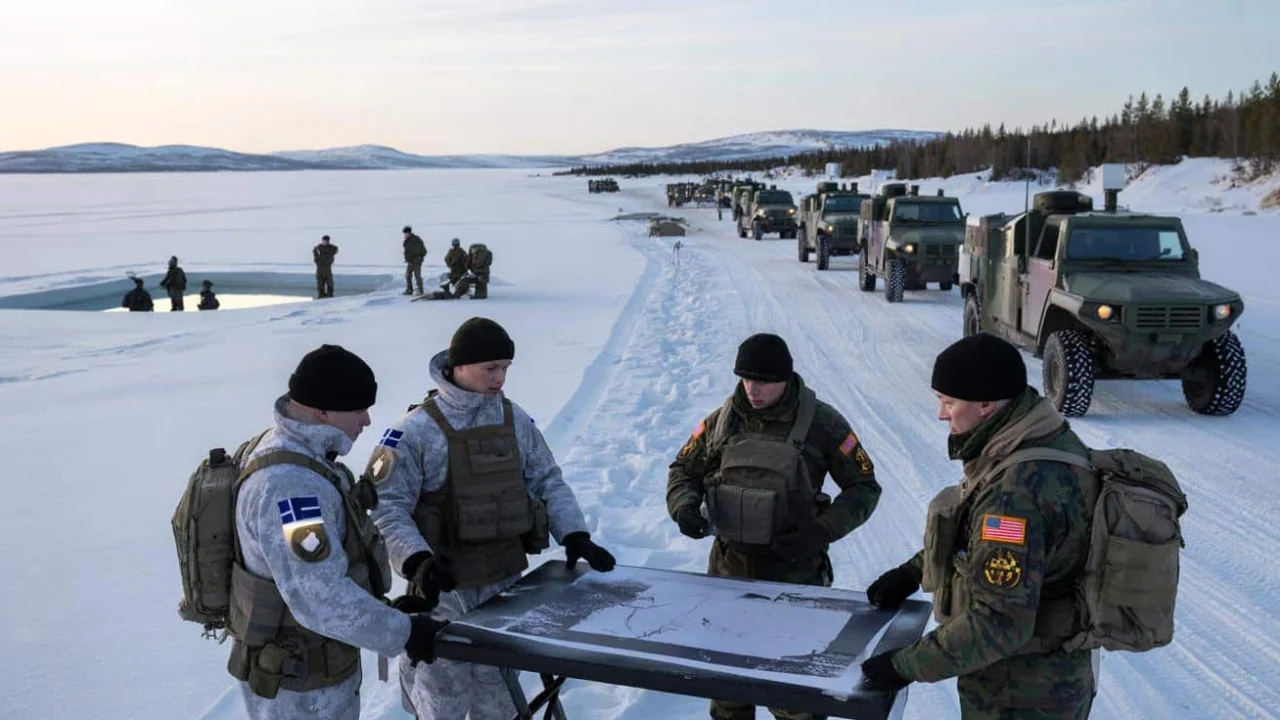
Picture this: You’re a 20-year-old Marine from California, and suddenly you’re dropped into minus-30-degree weather in northern Norway. Your rifle keeps jamming, your boots feel like ice blocks, and you can barely see through the blowing snow. Meanwhile, Finnish soldiers around you move like ghosts through the frozen landscape, completely at home in conditions that feel like another planet.
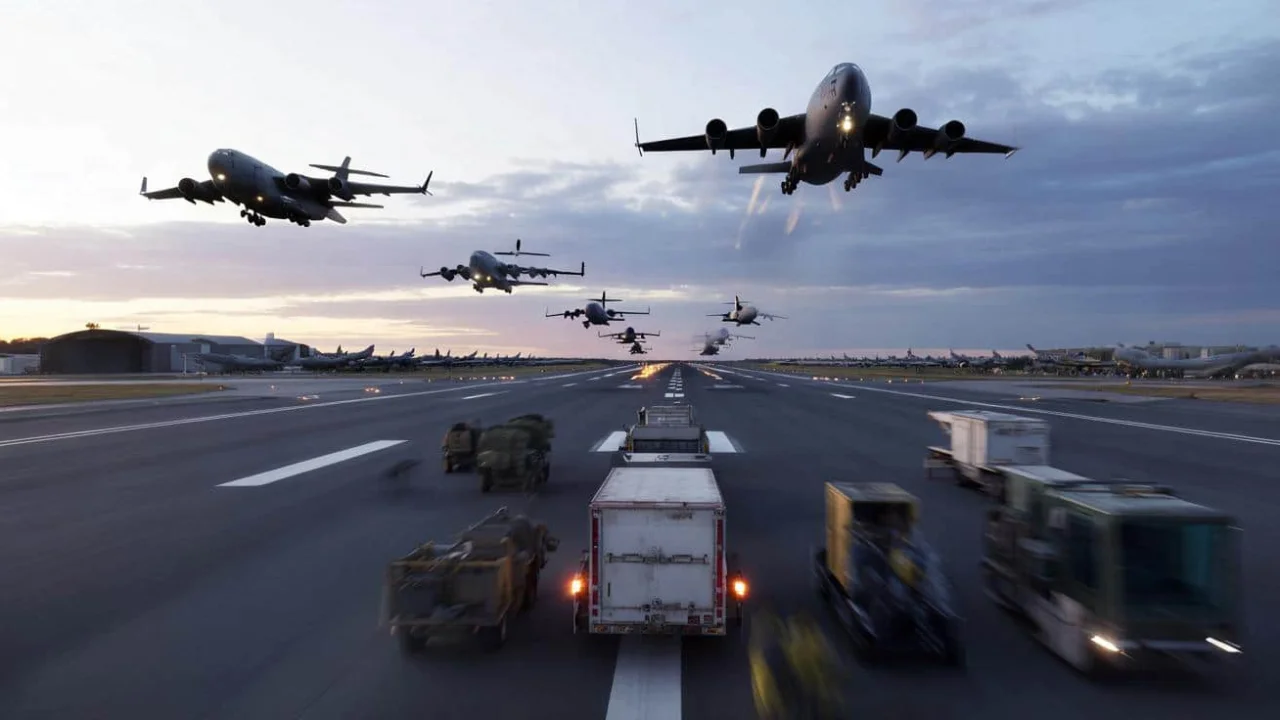
This scenario isn’t fiction. It’s the reality thousands of American troops face during NATO’s most challenging arctic exercise. But when stories started spreading that these Finnish soldiers had to “go easy” on struggling U.S. forces, it sparked a diplomatic spat that’s as heated as the Arctic is cold.
Now Finland is pushing back hard against claims that became a viral embarrassment for American military readiness.
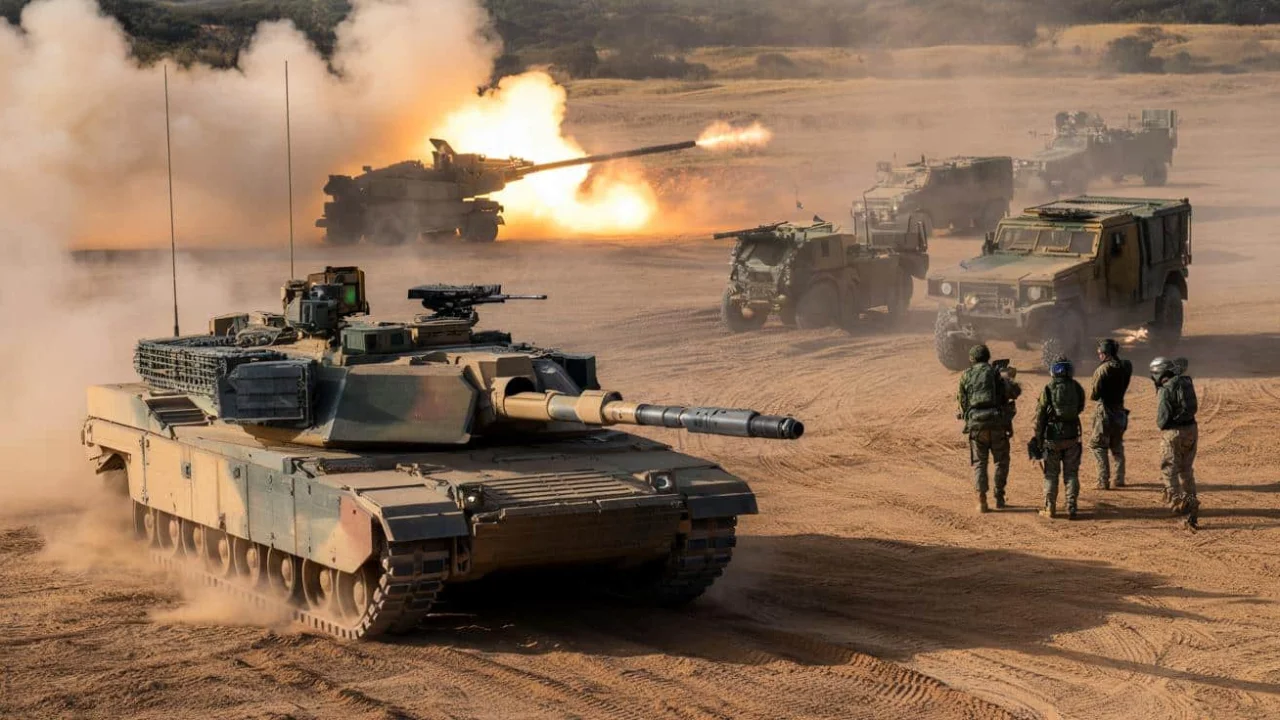
When Training Stories Turn Into International Incidents
The controversy centers around Joint Viking 2025, a massive arctic exercise that brings together over 10,000 troops from nine NATO countries in the frozen wilderness of northern Norway. For the U.S. military, these exercises represent crucial preparation for potential conflicts in extreme cold conditions.
The storm began when The Times of London reported that Finnish reservists had been asked to tone down their performance during previous exercises because American units were struggling so badly in the harsh conditions. The story painted a picture of seasoned Arctic fighters having to dial back their skills to avoid completely overwhelming their American counterparts.
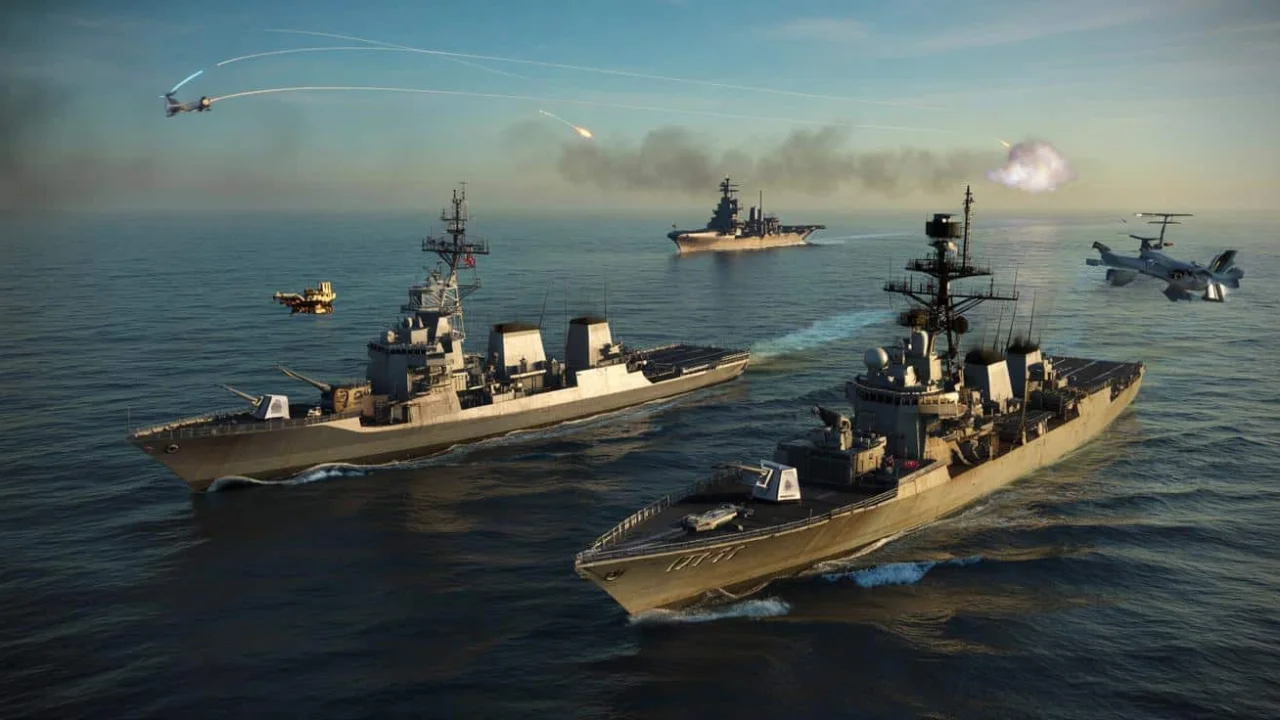
“The claim that we were asked to go easy on anyone is completely false,” said Colonel Jukka Mäkinen, a spokesperson for the Finnish Defense Forces. “Our approach has always been to train as realistically as possible while ensuring safety standards.”
Social media exploded with the story, turning what should have been a routine training exercise into a symbol of American military preparedness concerns. Memes and jokes flooded platforms, but for military planners, the implications were serious.
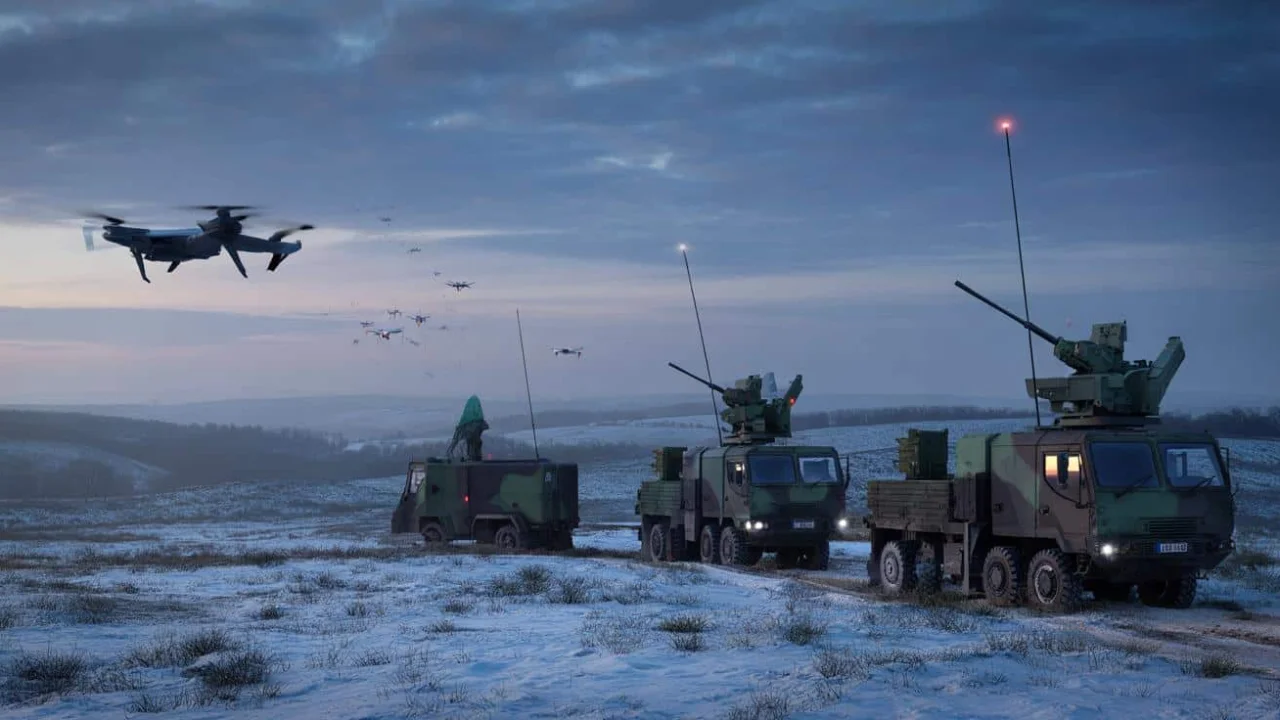
What Really Happens During Arctic Combat Training
Understanding the reality of arctic exercise conditions helps explain why this story resonated so strongly. These aren’t your typical military drills in temperate climates.
Here’s what troops face during these extreme training scenarios:
- Temperatures dropping to minus-40 degrees Fahrenheit
- Limited daylight hours during winter months
- Equipment failures due to extreme cold
- Increased caloric needs and dehydration risks
- Navigation challenges in whiteout conditions
- Frostbite and hypothermia dangers
| Country | Arctic Training Experience | Specialized Units |
|---|---|---|
| Finland | Year-round arctic operations | Jaeger Brigade, Border Guard |
| United States | Limited arctic exposure | Mountain Warfare Training Center units |
| Norway | Extensive cold weather training | Brigade Nord, Special Forces |
The challenge for American forces isn’t just about toughness. Most U.S. troops train in temperate or desert conditions. When they’re suddenly thrust into Arctic environments, even basic tasks become exponentially more difficult.
“Arctic warfare isn’t just cold weather training,” explains Dr. Sarah Chen, a defense analyst at the Arctic Security Institute. “It’s a completely different way of thinking about logistics, movement, and survival.”
Why This Controversy Matters Beyond Hurt Feelings
The debate over arctic exercise performance touches on much larger strategic concerns. As climate change opens new shipping routes and resource extraction opportunities in the Arctic, military presence in these regions becomes increasingly important.
Russia has been heavily investing in Arctic military capabilities for years. China, despite not being an Arctic nation, has declared itself a “near-Arctic state” and is building icebreaking ships. For NATO allies, being able to operate effectively in extreme cold isn’t just about training exercises—it’s about maintaining credible defense capabilities.
The story also highlights cultural differences in military training approaches. Finnish conscripts undergo mandatory military service that includes extensive cold weather training. Every Finnish soldier learns to ski, navigate in snow, and maintain equipment in freezing conditions.
American military training, by contrast, focuses on rapid deployment to diverse global environments. U.S. forces excel in many areas, but Arctic specialization isn’t typically emphasized outside of specific units.
“This isn’t about one military being better than another,” notes Lieutenant General Mike Peterson, former commander of U.S. Army Alaska. “It’s about recognizing that different environments require different skill sets and preparation time.”
The Finnish denial of the “go easy” claims seems designed to defuse tensions while maintaining training integrity. Finnish officials emphasize that realistic training benefits everyone, and that American forces have shown steady improvement in arctic conditions over multiple exercise cycles.
For U.S. military planners, the incident serves as a reminder of the importance of specialized training. The Pentagon has already announced expanded arctic training programs and increased cooperation with Nordic allies.
The controversy also demonstrates how quickly military training stories can become geopolitical talking points in our connected world. What happens in remote Norwegian valleys doesn’t stay there anymore.
Moving forward, Joint Viking and similar exercises will likely face increased scrutiny. But for the thousands of troops who participate, the focus remains on learning skills that could prove vital in future conflicts. Whether Finnish soldiers were asked to go easy or not, the real lesson is clear: Arctic warfare demands respect, preparation, and humility from everyone involved.
FAQs
What is Joint Viking 2025?
It’s a major NATO arctic exercise held in northern Norway involving over 10,000 troops from nine countries practicing cold weather combat operations.
Why do American troops struggle in arctic conditions?
Most U.S. forces train in temperate climates and lack extensive cold weather experience, unlike Nordic countries where arctic training is standard.
Did Finland really ask to go easy on U.S. troops?
Finland’s Defense Forces have categorically denied this claim, stating they maintain realistic training standards for all participants.
How cold does it get during these exercises?
Temperatures can drop to minus-40 degrees Fahrenheit, creating extremely challenging conditions for equipment and personnel.
Why are arctic military exercises important?
As the Arctic becomes more strategically important due to climate change and resource access, NATO allies need credible cold weather defense capabilities.
Will this controversy change future exercises?
The incident highlights the need for better arctic training preparation, but the exercises themselves will likely continue with increased focus on realistic training standards.
About the Author