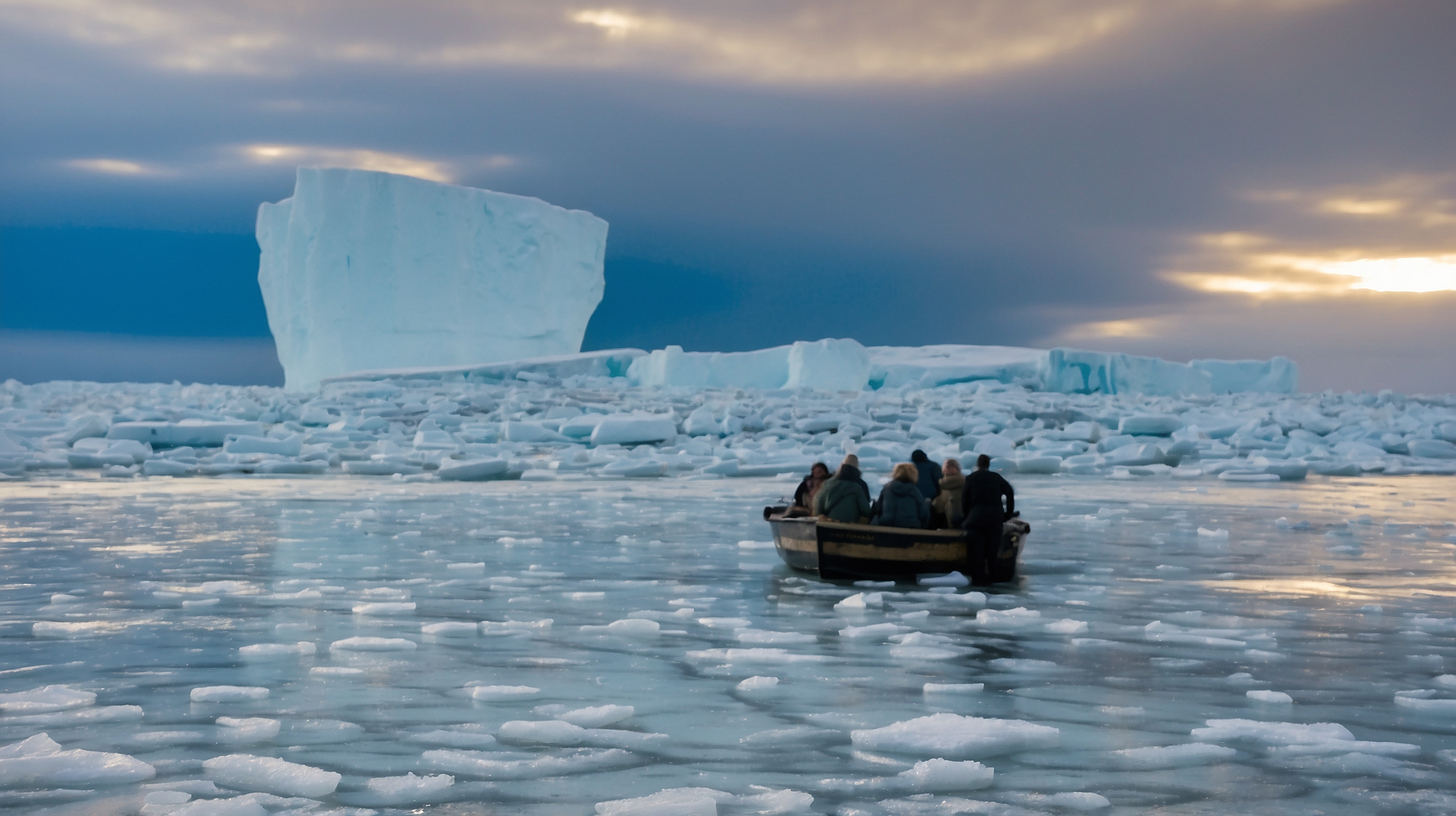
New scientific forecasts have sparked a wave of controversy in the climate science community after suggesting that parts of the Arctic are heading toward an ecological collapse within decades—not centuries as previously believed. Some experts caution against premature alarmism, while others assert the data is too critical to dismiss. As sea ice continues to shrink and permafrost thaws at record rates, the Arctic is no longer a distant symbol of climate change—it has become the frontline.

Recent models show that profound shifts occurring in the Arctic could have cascading effects worldwide, influencing everything from weather systems to global food security. Though some skeptics label these predictions as hyperbole, the scientific consensus is growing stronger: the Arctic is undergoing a regime shift. In this context, a “collapse” doesn’t necessarily mean sudden disappearance but rather an irreversible transformation—one that could push Earth systems into a new and less hospitable state.
Arctic climate crisis: What you need to know
| Issue | Accelerated Arctic warming and ecological collapse forecasts |
| Key Concern | Thawing permafrost, sea ice melt, and climate feedback loops |
| Impacts | Global weather disruption, biodiversity loss, economic instability |
| Main Debate | Scientific evidence vs. narrative of “climate panic” |
| Forecast Timeline | Significant irreversible changes projected by 2050 |
| Policy Urgency | Immediate mitigation and adaptation strategies needed |
Why scientists are sounding the alarm
Scientists focusing on high-latitude ecosystems have been warning for years that the Arctic is warming at nearly four times the global average. But recent data from satellite monitoring and ice-core sampling suggest the timeline for collapses in sea ice stability, permafrost integrity, and ecological viability may be advancing faster than anticipated. These findings stem from high-resolution models that incorporate atmospheric feedback loops and methane emissions previously underrepresented.

“We are not predicting Armageddon. We are simply presenting what the models show under current emissions scenarios—and it’s deeply concerning.”
— Dr. Leena Voronenko, Arctic climatologist
These models suggest that under current CO2 levels, Arctic sea ice may disappear completely during summer months as early as the 2030s. More alarming is the feedback mechanism associated with **permafrost thaw**. As permafrost thaws, it releases methane, a greenhouse gas far more potent than carbon dioxide, into the atmosphere—exacerbating global warming in a vicious cycle.
What changed this year
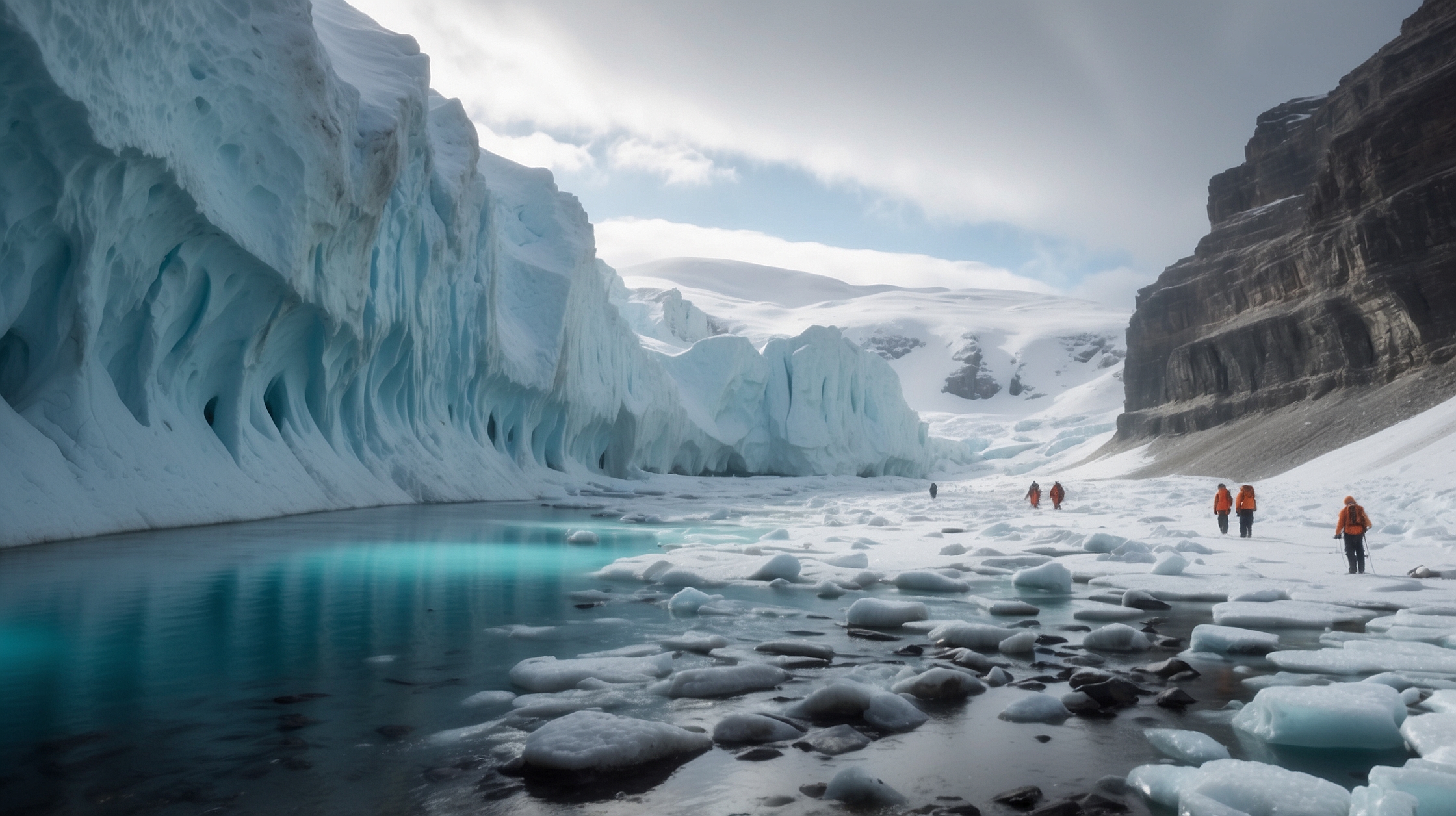
This past year saw a record reduction in Arctic sea ice extent during summer, as well as unprecedented emissions from permafrost zones. These tangible shifts have moved the idea of Arctic collapse from theoretical to empirical. The Intergovernmental Panel on Climate Change (IPCC) has also updated its projections, acknowledging that earlier models underestimated methane flux and heat absorption due to albedo loss—where dark ocean water absorbs more heat than reflective ice.
“This isn’t climate panic; this is data. Ignoring it because it’s inconvenient is no longer a responsible option.”
— Dr. Hassan Mbeki, Environmental Systems Analyst
Crucially, indigenous communities living in the Arctic have also reported dramatic changes in ecosystems—such as disappearing fish species, altered migration patterns, and increasingly unstable ground conditions. This combination of empirical, local, and model-based data paints a compelling and worrisome picture.
The cascade effect on global systems
While the Arctic may seem remote, its condition is tightly interwoven with **global weather patterns**. The destabilization of the polar jet stream—caused by warming Arctic air—has been linked to extreme weather events in Europe, North America, and Asia. Disrupted precipitation cycles and heat domes are just some manifestations attributed to a wobbly jet stream.
Moreover, thawed permafrost could yield microbial life formerly frozen for millennia. Though not yet proven to be high risk, there is concern about the possible reactivation of ancient viruses or bacteria. Paired with rising sea levels from melted ice, the global health and economic infrastructure may be caught unprepared for the fallout.
Debating the terminology: Collapse vs. transformation
One crux of the current debate centers around the use of the word “collapse.” Some scientists argue that “transformation” or “tipping point” better encapsulates the gradual yet irreversible changes, while others argue that calling it a “collapse” appropriately captures the urgency of the situation.
“Semantics should not dilute the gravity of these changes. Whether we call it collapse or transformation, the end result is the same: a drastically altered Arctic and planet.”
— Dr. Marisol Kent, Climate Policy Advisor
Labeling shapes public perception, and with it, political response. The fear is that overstating the issue might cause fatalism, while understating it could lead to inaction. Striking a balance between honest communication and motivating intervention has never been more critical.
Climate justice and Arctic communities
Local populations in the Arctic, who have contributed the least to global emissions, now find themselves on the frontlines. Entire communities are being forced to relocate as **coastal erosion**, ice loss, and unpredictable wildlife patterns make traditional ways of life untenable. Addressing Arctic collapse thus also becomes a matter of climate justice.
Even marine and terrestrial species that depend on stable sea ice—like polar bears, walruses, and migratory birds—are under existential threat. Biodiversity loss in the Arctic could undo decades of protected species recovery efforts and destabilize food chains across continents.
Policy urgency and global responsibility
Despite the dire forecast, mitigation is still possible. Scientists emphasize that swift action—such as transitioning to renewable energy, enforcing strict emissions standards, and investing in climate-resilient infrastructure—could slow or even halt catastrophic feedback loops. International cooperation, especially in Arctic governance and conservation, is more necessary than ever.
As the United Nations prepares for upcoming climate summits, the Arctic’s role as a climate barometer may come to dominate key policy discussions. Global leaders have been urged to adopt not just ambition, but tangible enforcement mechanisms to meet the 1.5°C global warming threshold under the Paris Agreement.
Winners and losers in the changing Arctic
| Winners | Losers |
|---|---|
| Shipping companies (shorter Arctic trade routes) | Indigenous Arctic communities |
| Resource extractors (more accessible oil and minerals) | Polar wildlife and biodiversity |
| Geopolitical actors seeking Arctic claims | Coastal cities worldwide at risk from sea level rise |
| Energy companies pushing Arctic drilling | Future generations facing climate instability |
Short FAQs about Arctic collapse and climate risks
What does “Arctic collapse” actually mean?
It refers to the systemic breakdown of Arctic ecological, climatological, and cryospheric systems due to rapid warming, ice melt, and permafrost thaw—many of which may become irreversible.
How fast is the Arctic warming?
The Arctic is warming about four times faster than the global average, leading to accelerated ice loss and extreme weather changes.
Will Arctic collapse affect people outside the region?
Yes. Arctic changes influence global climate systems, sea levels, and weather patterns, impacting billions across the planet.
Is there still time to prevent Arctic collapse?
While some changes may be irreversible, swift and aggressive global mitigation efforts can limit worst-case scenarios.
Why some scientists avoid the word “collapse”?
They fear it may incite fear or fatalism rather than proactive response and prefer terms like “transformation” or “tipping point”.
What role do Arctic communities play in climate science?
Their observations provide critical, real-time insights into environmental changes and inform both science and policy.
Are economic interests fueling this crisis?
Yes. Exploitation of Arctic resources and increased shipping play roles in accelerating environmental shifts in the region.
Which animals are most at risk?
Species like polar bears, walruses, seals, and Arctic foxes face dire threats due to habitat loss and disrupted food chains.
About the Author