
Maria Santos never thought much about where her local defense contractor job came from until last month. As a quality inspector at a missile parts facility in Ohio, she’d watched orders ebb and flow for years. But when her supervisor mentioned their latest contract came from a foreign military deal, it hit her differently. “I’m literally building components that will be shipped overseas,” she told her husband over dinner. “And somehow, that’s keeping our whole town employed.”

Maria’s story isn’t unique. Across America, thousands of workers depend on international arms sales to keep their paychecks steady. What many don’t realize is how dramatically that landscape is about to change.
The Trump administration has just unveiled a sweeping new approach that could reshape the entire global weapons market. And for workers like Maria, the stakes couldn’t be higher.

What the America First Arms Transfer Strategy Really Means
The America First Arms Transfer Strategy represents the most significant shift in U.S. weapons export policy in decades. Rather than treating arms sales as purely diplomatic tools, Washington now wants to turn every international defense deal into a calculated boost for American industry.
President Trump signed the executive order with clear language: foreign weapons purchases must directly strengthen domestic production lines, supply chains, and military readiness both at home and among allies. The strategy fundamentally changes how the U.S. government evaluates which weapons to sell and to whom.

“This isn’t just about selling more guns and missiles,” explains former Pentagon acquisition official James Mitchell. “It’s about creating a weapons marketplace that serves America’s industrial interests first, diplomatic relationships second.”
The new approach centers on three core principles that will guide every major arms transfer decision moving forward. First, does the sale boost American manufacturing capacity? Second, will it strengthen critical supply chains that support U.S. military needs? Third, does the buying country contribute meaningfully to collective defense spending?
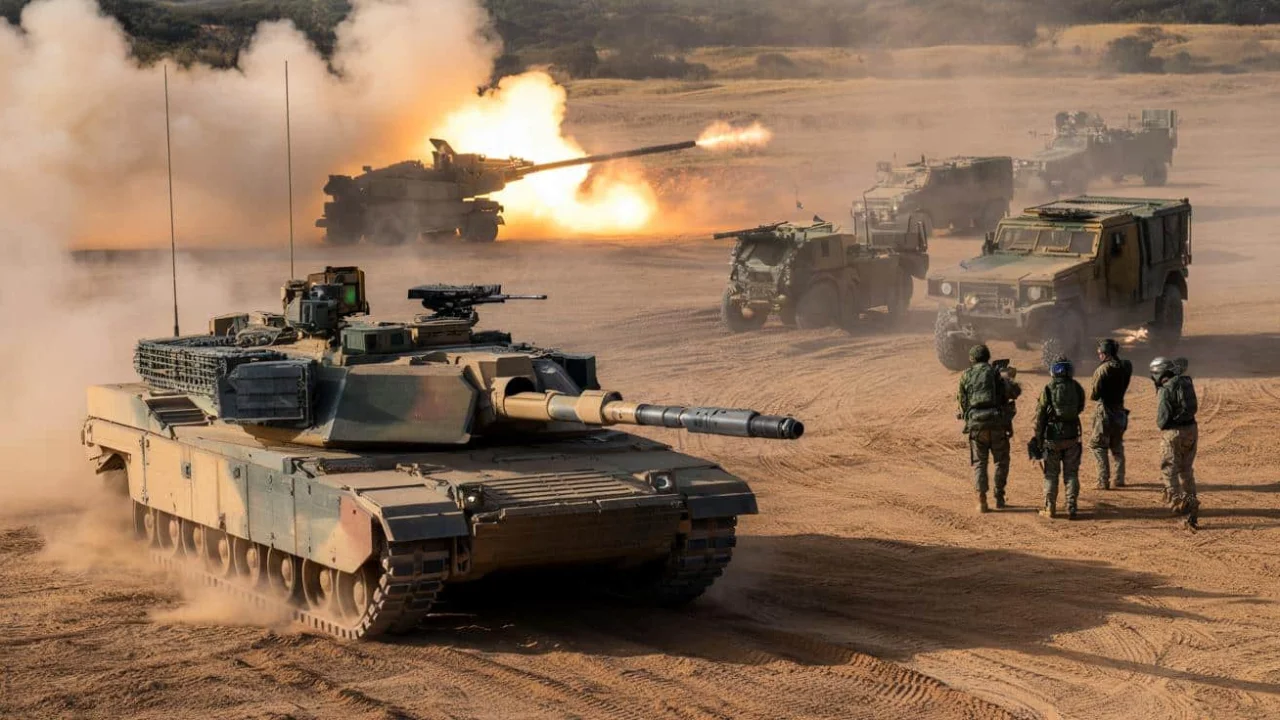
These questions will determine which weapons make it onto Washington’s new “priority systems” list – essentially a curated menu of American-made military equipment that officials will actively promote to foreign buyers.
The Priority Weapons List and How It Changes Everything
Under the America First Arms Transfer Strategy, the U.S. will maintain a carefully selected inventory of weapons systems that receive preferential treatment in export approvals and marketing support. This list will directly reflect American industrial priorities rather than simply responding to foreign demand.

Here’s how the new system breaks down:
| Priority Level | Weapon Categories | Industrial Focus | Approval Speed |
|---|---|---|---|
| Tier 1 | Advanced fighter jets, missile defense systems | High-tech manufacturing, aerospace jobs | Fast-track processing |
| Tier 2 | Naval systems, armored vehicles | Traditional manufacturing, steel production | Standard review |
| Tier 3 | Small arms, basic equipment | Limited industrial impact | Lower priority processing |
The strategy also introduces new incentives for countries that increase their defense spending. Nations committing to NATO’s 2% GDP defense spending target – or equivalent benchmarks for non-NATO allies – will gain access to more advanced systems and receive preferential pricing on certain deals.
“We’re essentially creating a VIP program for defense purchases,” notes defense industry analyst Rebecca Chen. “Countries that spend more on defense and buy American get better access to our best technology.”
Key features of the new approach include:
- Streamlined approval processes for priority weapons systems
- Enhanced financing options for allies meeting defense spending commitments
- Joint production agreements that require manufacturing in American facilities
- Technology transfer restrictions tied to industrial security concerns
- Regular review of the priority list based on U.S. production capacity
The administration expects this curated approach to generate more predictable demand for American defense contractors while ensuring that international sales support domestic industrial goals.
Real-World Impact on Communities and Global Markets
For communities like Maria’s in Ohio, the America First Arms Transfer Strategy could mean more stable, long-term employment. Defense contractors will know which products receive government support, allowing them to invest more confidently in production facilities and workforce development.
But the changes extend far beyond American factory towns. Allied nations may face difficult choices about their defense procurement strategies. Countries accustomed to buying diverse weapons systems from multiple suppliers might find themselves pushed toward American-made alternatives.
“This strategy essentially makes every arms sale a question of economic alignment,” explains international relations professor Dr. Sarah Kim. “Countries have to decide if they want access to America’s best military technology badly enough to restructure their defense spending.”
The policy could particularly impact smaller allied nations that have historically purchased less expensive weapons from other sources. Under the new system, they might need to increase defense budgets significantly to access priority American systems, or accept being relegated to lower-tier equipment.
European allies face a complex calculation. While many already meet NATO spending targets, some may need to shift existing contracts away from domestic or other international suppliers to align with America’s priority systems list.
For defense workers, the strategy promises more predictable employment but potentially in fewer, more concentrated production centers. The focus on priority systems means some facilities producing lower-tier equipment might lose government support for international sales.
“My plant makes components for several different weapons systems,” says Maria. “If only some of those make the priority list, we might have to completely retool our production line. It’s exciting but also nerve-wracking.”
The global arms market itself will likely see increased consolidation around American systems, potentially reducing competition but also creating more standardized allied military capabilities.
Industry experts predict the strategy will generate higher-value sales even if total volume decreases, as buyers gravitate toward the priority systems that receive full government backing and support.
FAQs
What makes a weapon system “priority” under the new strategy?
Priority designation depends on the system’s impact on American manufacturing, supply chain resilience, and technological superiority goals.
Will this strategy make U.S. weapons more expensive for allies?
Not necessarily – countries meeting defense spending commitments may actually receive better financing terms and preferential pricing.
How quickly will the priority weapons list be finalized?
The administration expects to publish the initial priority list within six months, with regular updates based on industrial capacity assessments.
Can countries still buy non-priority U.S. weapons systems?
Yes, but those sales will receive lower processing priority and less government marketing support.
How does this affect existing arms contracts with allies?
Current contracts remain valid, but future renewals or upgrades will be evaluated under the new priority system.
What happens to defense workers if their plant’s products don’t make the priority list?
The strategy includes provisions for workforce retraining and facility conversion to support priority systems production.
About the Author