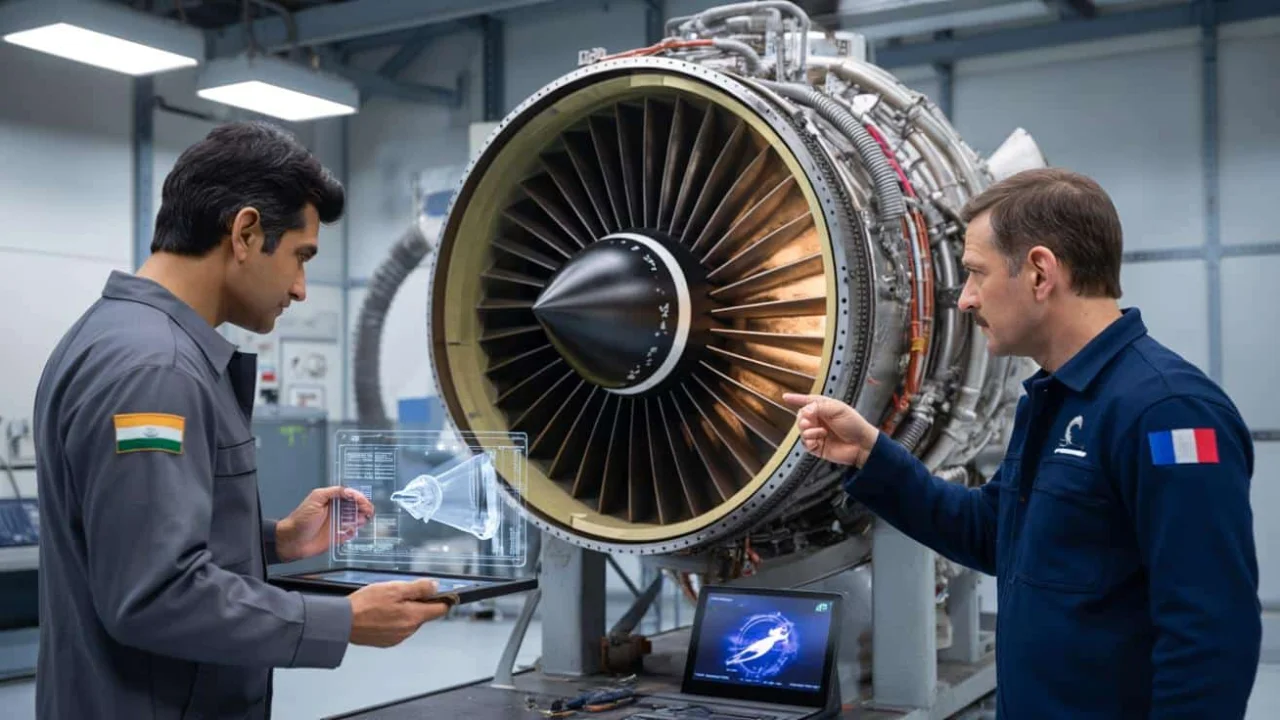
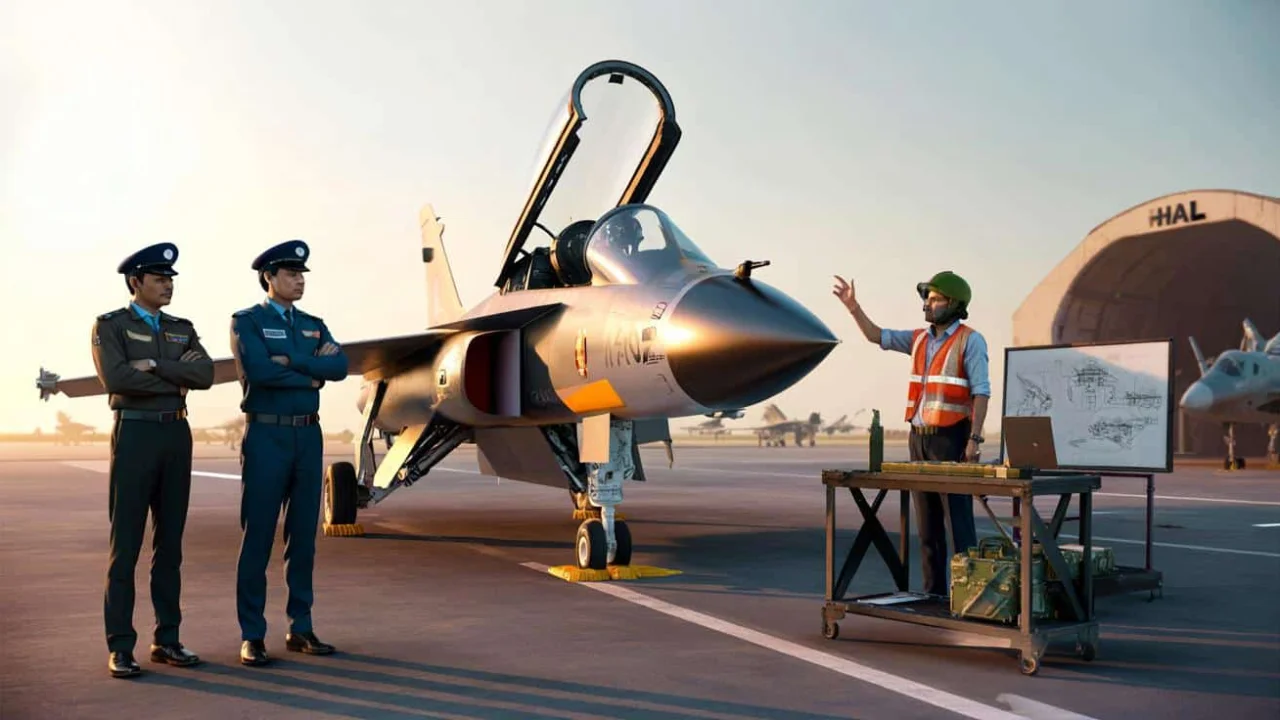
Picture this: a young Indian engineer walks through the halls of Hindustan Aeronautics Limited, passing models of fighter jets that have served the nation for decades. But there’s something missing in every display case—something that has kept India’s aviation dreams tethered to foreign suppliers for generations. The heart of every aircraft, the engine, has always come from somewhere else.

That’s about to change. After years of depending on Russian, American, and European engines to power its air force, India is finally taking the plunge into one of the most exclusive clubs in aerospace: countries that can build their own fighter jet engines.
The partnership between India and France’s Safran for the AMCA engine represents more than just another defense deal. It’s a fundamental shift that could reshape how India sees itself as a military power.
Why the AMCA Safran Engine Changes Everything
The Advanced Medium Combat Aircraft project has been India’s stealth fighter dream for over a decade. But dreams don’t fly without engines, and that’s where things get complicated.
Building a modern fighter engine isn’t like assembling a car. We’re talking about machines that operate in temperatures hotter than molten lava, spinning at speeds that would tear apart most materials, all while maintaining precision that makes Swiss watches look crude.
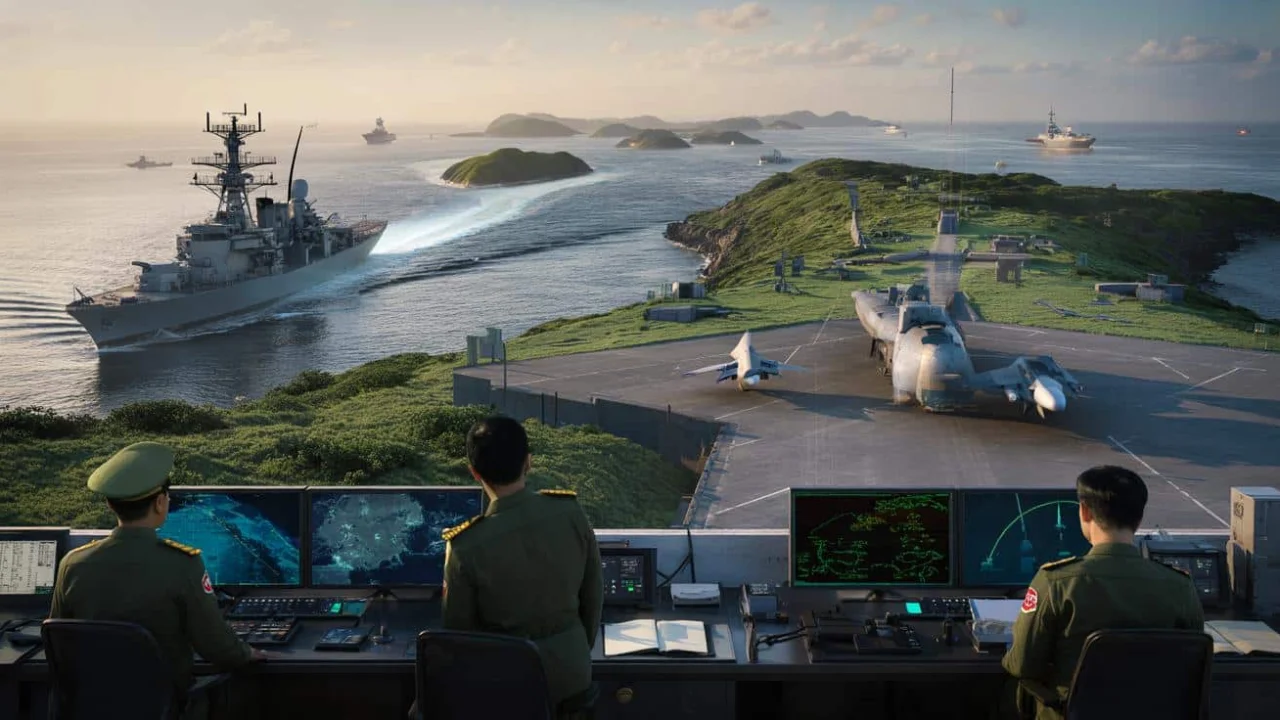
“India is trying to compress three decades of propulsion know-how into little more than ten years,” explains a defense analyst familiar with the program. “It’s either going to be a spectacular success or a very expensive lesson.”
The AMCA Safran engine partnership aims to deliver a turbofan producing around 120 kilonewtons of thrust. To put that in perspective, that’s enough power to lift a fully loaded commercial airliner off the ground. The budget being discussed hovers around €6.7 billion—a massive investment that reflects just how seriously both countries are taking this gamble.
Breaking Down the Technical Challenge
The timeline for the AMCA Safran engine development reads like a military operation:
- Prototype engines expected before 2030
- First AMCA test flights with new powerplant around 2028
- Engine certification targeted for early 2030s
- Full production scheduled for 2035
- Integration with stealth fighter requirements
| Development Phase | Timeline | Key Milestone |
|---|---|---|
| Prototype Development | 2025-2029 | First engine test runs |
| Flight Testing | 2028-2031 | AMCA maiden flight |
| Certification | 2031-2033 | Military airworthiness approval |
| Production | 2035+ | Mass manufacturing begins |
What makes this particularly challenging is that the AMCA Safran engine needs to meet 5th-generation fighter requirements. That means low radar signature, supercruise capability, and the ability to operate in extreme conditions while maintaining stealth characteristics.
“The engine is where stealth fighters live or die,” notes an aerospace engineer who has worked on similar projects. “You can have the most advanced airframe in the world, but if your engine signature gives you away, you’ve lost the stealth advantage.”
What This Means for India’s Defense Future
The ripple effects of a successful AMCA Safran engine program would extend far beyond just having a homegrown stealth fighter. We’re looking at a potential transformation of India’s entire defense industrial base.
First, there’s the obvious strategic benefit: no more depending on foreign suppliers for the most critical component of military aircraft. Russia’s recent troubles have shown how quickly geopolitical shifts can disrupt defense supply chains. Having indigenous engine capability means India could maintain its air force regardless of international politics.
But the economic implications might be even more significant. The global fighter engine market is worth hundreds of billions of dollars. Countries that can build competitive engines—currently just the US, UK, France, and Russia—enjoy massive export opportunities and technological leverage.
“If India cracks the engine code with Safran’s help, it doesn’t just become self-sufficient,” explains a defense industry consultant. “It becomes a potential exporter to other countries looking for alternatives to traditional suppliers.”
The technology transfer aspects of the AMCA Safran engine deal could also boost India’s civilian aerospace sector. Many of the materials, manufacturing techniques, and design principles that go into military engines have direct applications in commercial aviation.
For France, the partnership offers access to India’s massive defense market and a chance to establish long-term industrial relationships. Safran gets a new customer for its expertise and potentially a manufacturing base that could serve other markets.
However, there are risks. Engine development is notoriously difficult and expensive. Even experienced manufacturers sometimes struggle with new designs. The timeline is aggressive, and any delays could push the entire AMCA program back by years.
“The question isn’t whether India can eventually build engines,” says a former defense ministry official. “It’s whether they can do it fast enough and cost-effectively enough to make the AMCA program viable.”
The success or failure of the AMCA Safran engine partnership will likely influence India’s defense procurement strategy for decades. Success could lead to more ambitious indigenous programs and reduced dependence on imports. Failure might reinforce the traditional approach of buying foreign systems.
Either way, this represents one of the most significant bets in Indian defense history. The stakes are measured not just in billions of dollars, but in national sovereignty and strategic independence.
FAQs
What is the AMCA Safran engine project?
It’s a joint development program between India and France’s Safran to create a new fighter jet engine for India’s Advanced Medium Combat Aircraft stealth fighter.
How much thrust will the AMCA Safran engine produce?
The engine is designed to produce around 120 kilonewtons of thrust, making it suitable for 5th-generation fighter aircraft requirements.
When will the AMCA fly with the new Safran engine?
The first test flights are planned for around 2028, with full production expected to begin around 2035.
Why is this partnership important for India?
It would make India one of the few countries capable of building its own fighter jet engines, reducing dependence on foreign suppliers and boosting strategic independence.
How much will the AMCA Safran engine program cost?
The total budget being discussed is approximately €6.7 billion for the complete development and production program.
What are the main challenges for this project?
The aggressive timeline, complex technology requirements, and India’s lack of experience in indigenous fighter engine development are the primary challenges.
About the Author