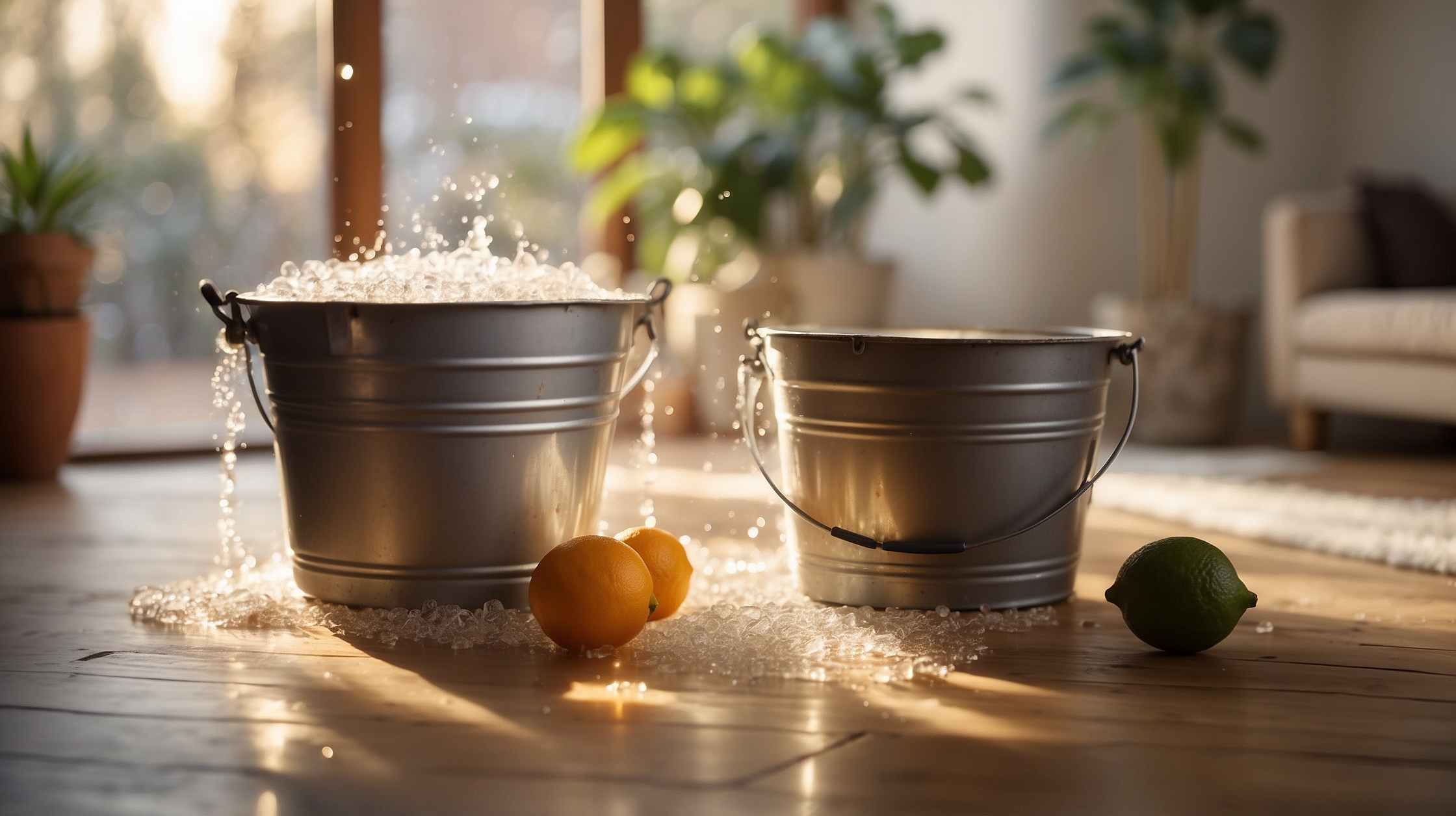
It’s a simple trick that has homeowners raving: adding just **two drops** of a certain household ingredient to your mop bucket can leave your floors spotless—and your entire home smelling delightfully fresh for days. With growing demand for more **eco-conscious and cost-effective cleaning solutions**, many are turning to age-old cleaning hacks that rely on pantry staples and essential oils rather than chemical-laden solutions.
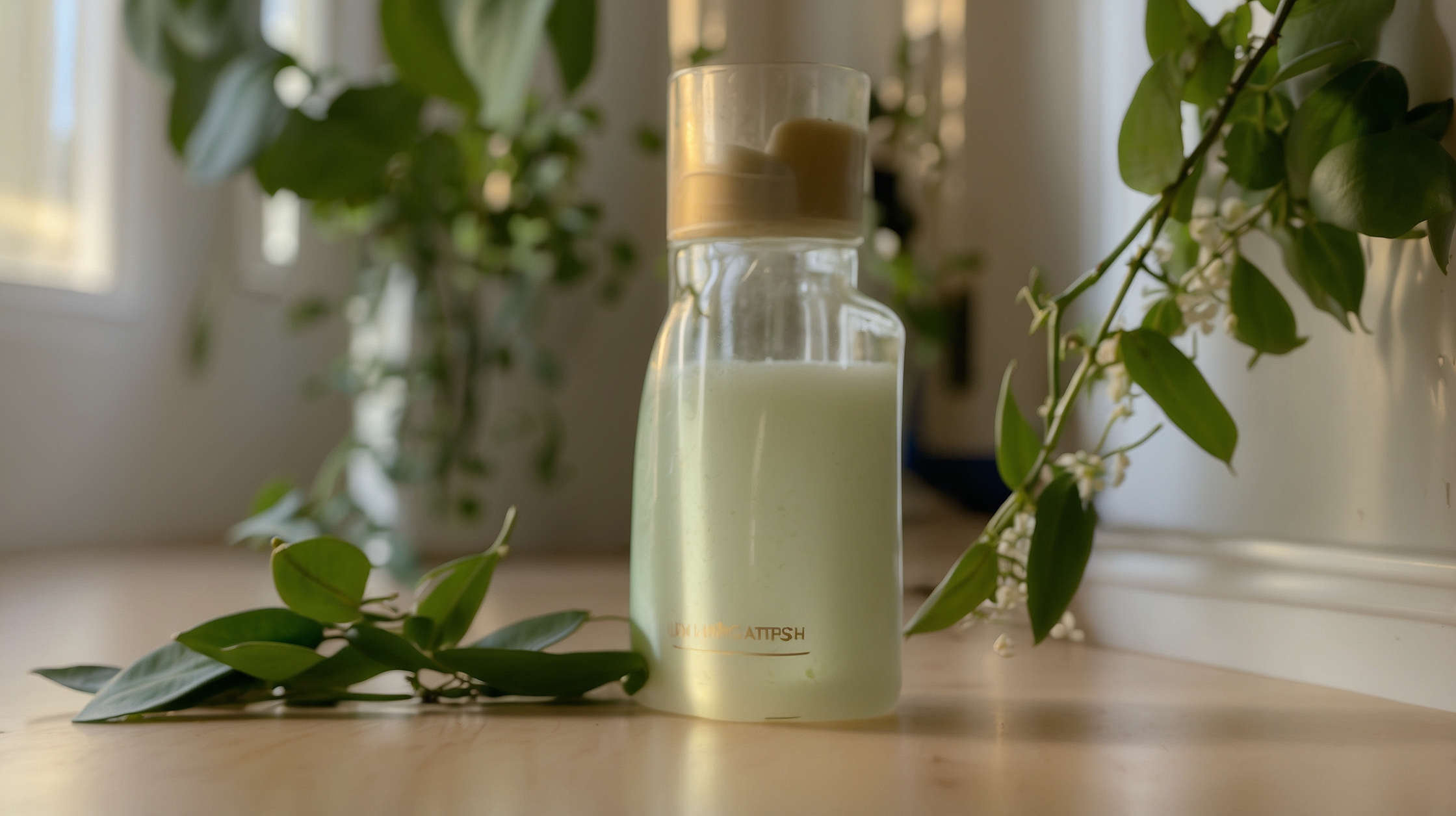
Whether you’re cleaning hardwood, tile, linoleum, or laminate, the right blend of natural scents can not only elevate your home’s ambiance but also support your well-being. The magic lies in a few **drops of essential oil**—tea tree, lavender, lemon, or peppermint—added directly to your mop water. The result? A fresh home scent that lingers long after you’ve finished cleaning, making every footstep feel like a breath of clean air.
This aromatic approach to floor-cleaning is backed by more than just scent-fanatics. Experts point to the **antimicrobial and antifungal properties** of specific essential oils as compelling reasons to make the switch. Add in the cost savings of using multi-purpose, concentrated oils, and it’s no surprise that this hack is surging in popularity across households worldwide.

Quick guide to using essential oils in your mop bucket
| Step | Details |
|---|---|
| Choose Oil | Select natural essential oils like lavender, lemon, peppermint, or tea tree for best results. |
| Add to Mop Bucket | Add 2–3 drops into a standard mop bucket filled with warm water. |
| Mix Gently | Stir water slightly to distribute oils evenly before mopping. |
| Mop Floors | Use as normal—no need for commercial soap if floors aren’t heavily soiled. |
| Air Dry | Allow the scent to naturally spread as water dries from the surface. |
Why this mop bucket hack is trending right now
People are increasingly aware of what they bring into their homes—not just in food and furniture, but also in cleaning products. **Essential oils**, derived from plants through distillation or cold pressing, offer a way to clean effectively while enhancing indoor air with natural aromas.
Among the most popular essential oils for home cleaning:

- Lemon: Fresh, citrus scent known for cutting through grease and lifting dirt.
- Lavender: A soothing aroma with mild antimicrobial qualities.
- Tea Tree: Powerful antifungal and antibacterial properties.
- Peppermint: Energizing and great at repelling insects.
This simple two-drop trick isn’t just about the smell—it carries practical benefits. Many modern commercial cleansers emit **volatile organic compounds (VOCs)**, which can trigger allergies, asthma, or migraines. Plant-derived oils offer a refreshing alternative.

We’ve noticed fewer allergy flare-ups since switching to natural mopping solutions. It really makes a difference.
— Dr. Hannah Lee, Environmental Health Researcher

What makes essential oils effective cleaners
The same components that give essential oils their distinctive aroma also possess **antiseptic, antifungal, or insect-repelling properties**. For example, limonene in citrus oils has natural degreasing power, while the menthol in peppermint can dissolve grime and act as a natural deodorizer.
Adding just a couple of drops to a mop bucket dilutes these potent compounds enough to clean safely without overpowering enclosed spaces. Paired with hot water, the oil molecules disperse evenly and cling to surfaces during cleaning, leaving behind a fine film that gradually releases scent over time.
Essential oils are more than just scents—they’re functional compounds with powerful properties when used wisely.
— Rachel Moreno, Certified Aromatherapist
Economical and eco-friendly benefits
Each bottle of essential oil contains hundreds of applications. While a bottle might seem pricey upfront (averaging $8 to $15 depending on variety and quality), the minimal amount required per use makes this method more budget-friendly than regularly purchasing specialty floor cleansers.
Additionally, because essential oils are biodegradable and non-toxic, they reduce ecosystem harm and keep wastewater cleaner. This falls in line with **increased pressure for households to reduce their environmental footprint** by making sustainable swaps wherever possible.
Combining essential oils for custom scents
If you want to customize your floor-cleaning experience further, consider blending oils. Here are a few popular combinations:
- Citrus Sunrise: 1 drop lemon + 1 drop sweet orange
- Fresh Meadow: 1 drop lavender + 1 drop eucalyptus
- Mint & Shine: 1 drop peppermint + 1 drop tea tree
These fragrant blends not only personalize your space but also compound the cleaning abilities of each oil involved. Still, essential oils are concentrated substances, so even when blending, limit total drops to three per mop bucket to avoid residue buildup on flooring.
Floor-safe tips and precautions
While essential oils are generally safe for most water-resistant flooring types, there are few caveats to keep in mind:
- **Do not apply pure essential oils directly to flooring.** Always dilute them in water.
- Avoid citrus oils on unsealed wood, as they can degrade finish over time.
- Spot-test on a corner if unsure how your flooring will react.
- Use a microfiber mop to evenly distribute moisture without scratching surfaces.
When cleaning sensitive surfaces like natural stone or marble, stick with gentle oils like lavender or chamomile and ensure no acidic oils (like lemon or grapefruit) are used.
Always opt for high-quality, therapeutic-grade oils if using them for cleaning. Cheap oils can contain alcohols or adulterants that damage surfaces over time.
— Jonathan Price, Home Chemistry Consultant
Another use for your essential oils at home
Not stopping at floor cleaning, homeowners are discovering the broader versatility of essential oils across multiple cleaning tasks. Adding drops to distilled vinegar for multi-surface sprays, mixing with baking soda for deodorizing carpets, or dropping onto dryer balls for laundry freshness—the opportunities are endless.
But it all starts with this simple mop bucket swap. In a matter of minutes, your whole house can feel like a spa retreat, thanks to just two humble drops. The secret’s out, and your floors may never look—or smell—the same again.
Frequently asked questions
What kind of essential oils work best for cleaning floors?
Popular options include **lemon, lavender, tea tree**, and **peppermint** oils. These offer both scent and natural antimicrobial properties.
Will essential oils damage my floors?
Not if properly diluted. Always add 2–3 drops to a full bucket of warm water, and avoid using pure oil directly on surfaces.
Can I mix essential oils for a custom scent?
Yes! Try combining oils like peppermint and lavender or lemon and eucalyptus for a balanced aroma.
How long does the fragrance last after mopping?
The scent usually lingers for **1 to 3 days**, depending on ventilation, flooring type, and oil concentration used.
Are citrus oils safe for hardwood floors?
Use caution: citrus oils can degrade wood sealant over time. Test in a corner first or use lavender or tea tree on sealed surfaces.
Can I use essential oils with steam mops?
No. Most manufacturers advise against adding oils to steam mops as it may clog nozzles or degrade internal plastic parts.
Is this method safe for homes with pets?
Some essential oils can be harmful to pets. Avoid pine, clove, or strong citrus blends. Stick to lavender or chamomile oils if unsure.
How much essential oil should I use per mop bucket?
Just **2 to 3 drops** per large mop bucket filled with warm water is enough for both scent and effectiveness.
About the Author