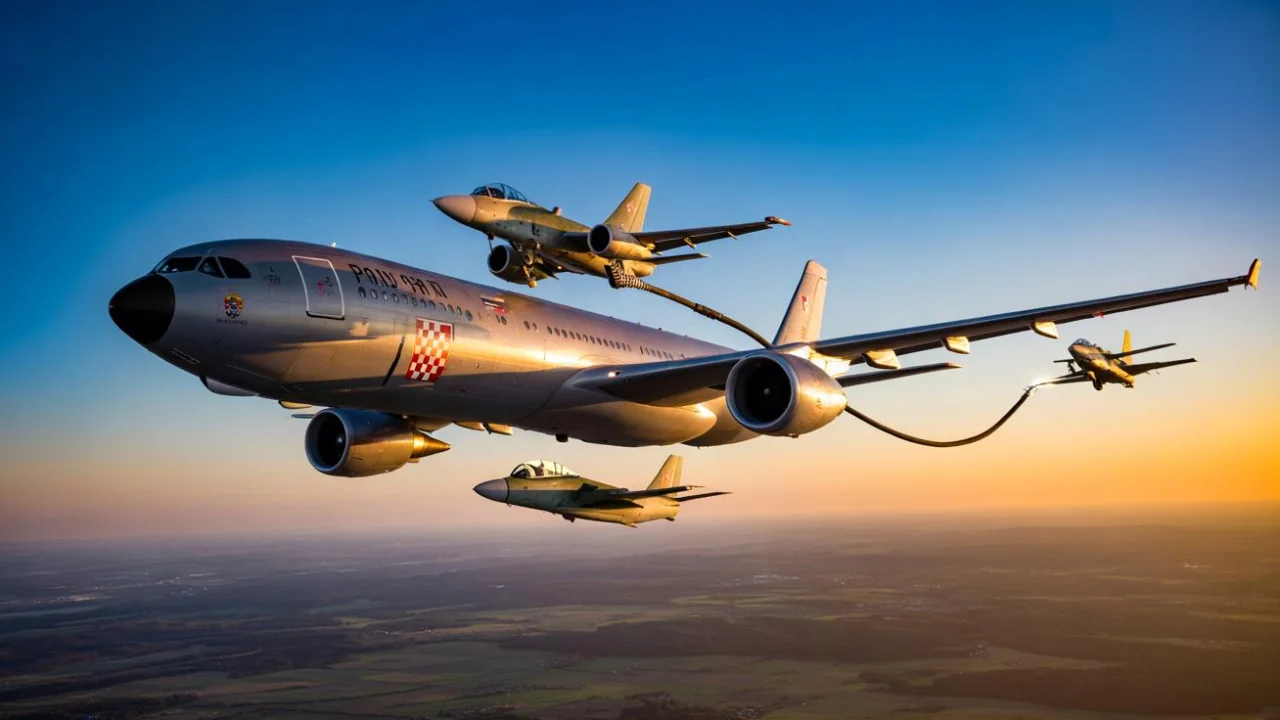
Picture this: a Polish F-16 pilot is flying a critical mission over the Baltic Sea when his fuel gauge starts blinking red. In most air forces, this wouldn’t be a problem – a tanker aircraft would simply fly up and top off his tanks mid-flight. But for Poland’s air force, that pilot has two choices: head home immediately or hope an allied tanker is nearby and available.

This scenario plays out more often than you’d think. Despite having some of Europe’s most modern fighter jets, Poland has been missing a crucial piece of the puzzle – its own aerial refueling capability. That’s about to change in a big way.
Warsaw is now seriously considering the purchase of two to four Airbus A330 MRTT aircraft, a move that would transform how Poland projects air power and responds to crises. For the first time, Polish jets wouldn’t need to depend on allies to stay airborne during extended missions.
Why Poland Needs Its Own Flying Gas Stations
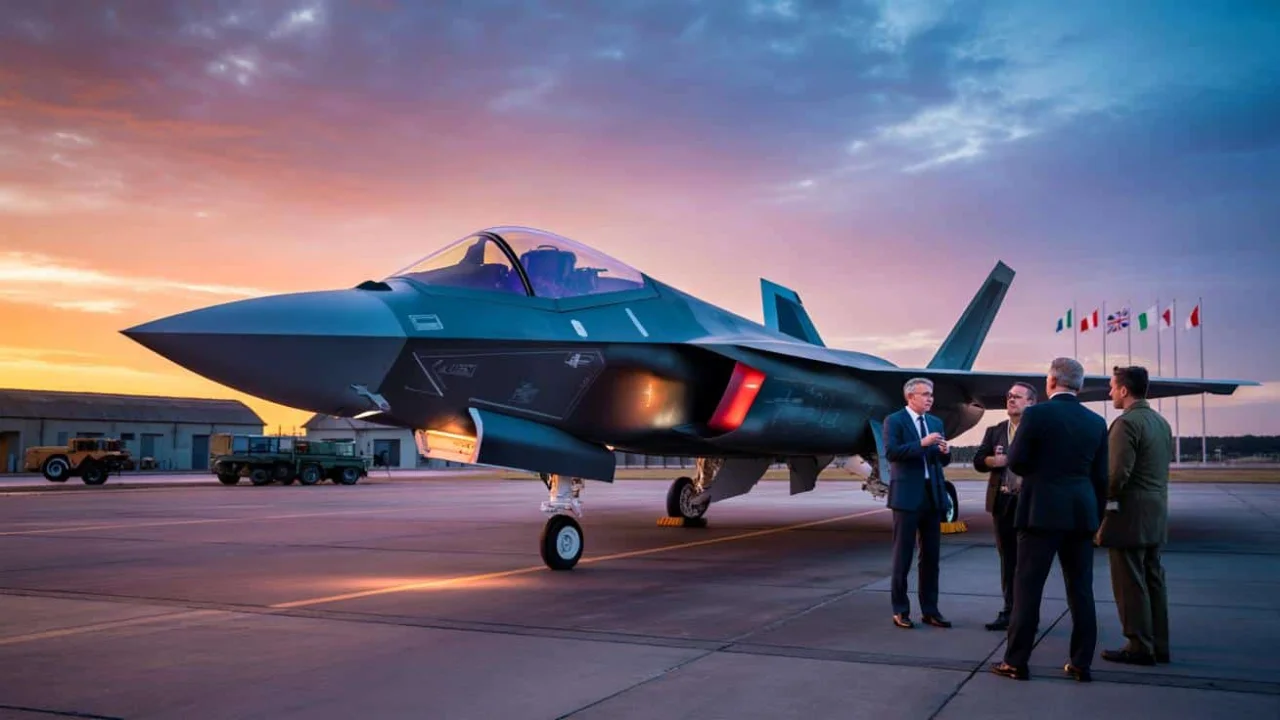
The timing of this decision isn’t coincidental. As tensions rise along NATO’s eastern border, Poland’s air force finds itself flying longer patrols and more complex missions. Without aerial refueling, their range is severely limited.
“Having your own tankers is like having your own insurance policy,” explains former NATO air operations planner James Mitchell. “You’re not waiting for someone else’s aircraft to be available when your national security is on the line.”
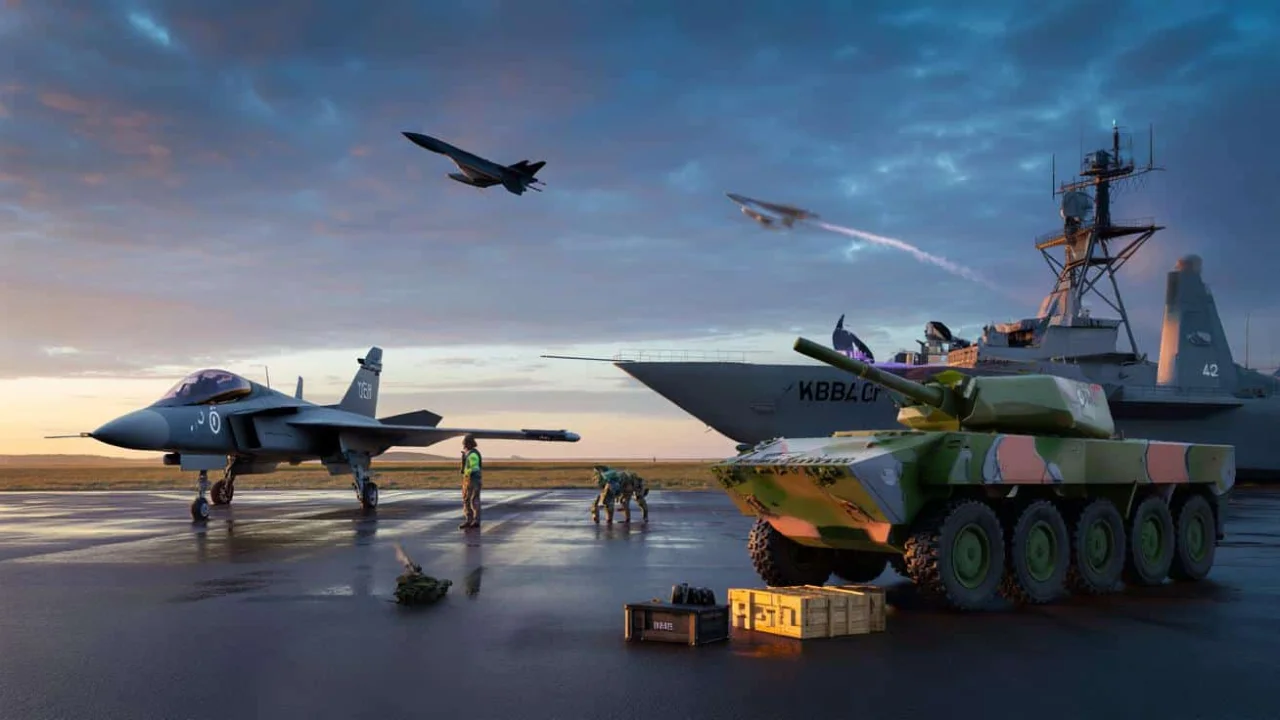
The Polish government has already given Defense Minister Władysław Kosiniak-Kamysz the green light to seek funding under the EU’s SAFE (Security Action for Europe) program. This isn’t just about buying aircraft – it’s about fundamentally changing Poland’s strategic capabilities.
The A330 MRTT aircraft would serve dual purposes. Beyond aerial refueling, these versatile platforms can transport troops, cargo, and medical evacuees across vast distances. Think of them as Swiss Army knives of military aviation.

Government documents from late 2025 reveal that Poland has access to up to €43.7 billion through the SAFE program, with A330 MRTT tankers listed among the country’s top priorities. The funding window extends until 2030, perfectly aligning with Airbus production schedules.
The Numbers Behind Poland’s Tanker Dreams
Let’s break down what Poland is actually looking at purchasing and why these specific numbers matter:
| Aircraft Quantity | Estimated Cost | Key Capabilities |
| 2-4 A330 MRTT aircraft | Up to €1 billion | Aerial refueling + strategic transport |
| Funding source | EU SAFE program | Available until 2030 |
| National SAFE envelope | €43.7 billion total | Multiple defense priorities |
Why two to four aircraft? Military planners know that having just one tanker means no redundancy – if it’s in maintenance, you’re back to square one. Two aircraft provide basic coverage, while four would allow for continuous operations even during maintenance cycles.
The A330 MRTT’s specifications make it particularly attractive for Poland’s needs:
- Can refuel multiple aircraft simultaneously using boom and probe systems
- Carries up to 111 tons of fuel for transfer to other aircraft
- Doubles as strategic transport for 300+ passengers or 45 tons of cargo
- Range of over 14,000 kilometers when configured for transport missions
- Already operates with multiple NATO allies, ensuring interoperability
“The beauty of the A330 MRTT is its flexibility,” notes defense aviation specialist Sarah Chen. “Poland wouldn’t just be buying tankers – they’d be getting aircraft that can handle multiple mission types from the same platform.”
What This Means for Poland and NATO
If Poland moves forward with this purchase, the ripple effects will extend far beyond its borders. For Polish pilots, it means the ability to conduct longer missions without constantly watching fuel gauges. For NATO, it adds another layer of capability to the alliance’s eastern defenses.
The strategic implications are significant. Currently, Poland relies on tankers from countries like the United States, United Kingdom, or France for extended missions. This dependency creates scheduling challenges and potential gaps in coverage during crises.
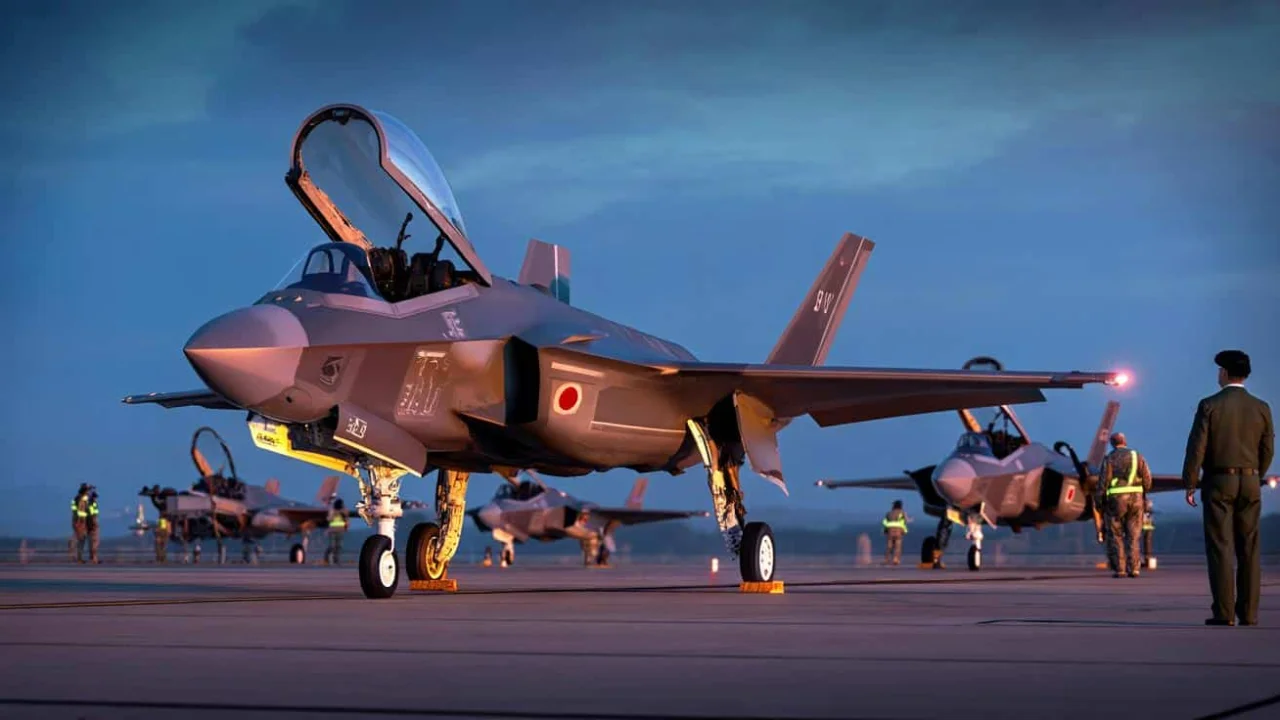
Polish F-16 and F-35 pilots would gain unprecedented range and flexibility. Missions that currently require careful fuel planning could be extended by hours. Maritime patrols over the Baltic Sea could cover larger areas. Air defense missions could maintain station much longer.
For Poland’s neighbors, this development signals Warsaw’s commitment to becoming a more self-reliant defense partner. Countries like Lithuania, Latvia, and Estonia could potentially benefit from Polish tanker support during joint exercises or emergencies.
“This purchase would mark Poland’s transition from a regional air power to a force with genuine strategic reach,” observes military analyst David Rodriguez. “That’s exactly what NATO needs on its eastern flank right now.”
The economic impact shouldn’t be overlooked either. Operating A330 MRTT aircraft would require training programs for pilots and ground crews, maintenance facilities, and spare parts inventory. This creates jobs and builds domestic expertise in advanced military aviation.
The 2030 timeline also provides breathing room for proper integration. Introducing tanker aircraft isn’t just about buying the planes – it requires developing new procedures, training protocols, and coordination systems with existing fighter squadrons.
Beyond the immediate military benefits, these aircraft could serve humanitarian roles during disasters. Their transport capacity makes them valuable for evacuation missions, disaster relief, or medical emergencies requiring long-range capabilities.
The decision also reflects Poland’s broader defense modernization strategy. Over the past decade, Warsaw has invested heavily in new fighters, air defense systems, and ground forces. Adding aerial refueling capability fills one of the last major gaps in their air power portfolio.
If approved, Poland would join an exclusive club of nations operating the A330 MRTT, including Australia, the United Kingdom, Saudi Arabia, and South Korea. This commonality provides training opportunities, shared maintenance expertise, and potential for joint operations.
FAQs
What exactly is an A330 MRTT aircraft?
It’s a military version of the Airbus A330 passenger jet, converted for aerial refueling and strategic transport missions.
How much would Poland spend on these aircraft?
The estimated cost for two to four A330 MRTT aircraft could reach up to €1 billion, funded through the EU’s SAFE program.
Why does Poland need aerial refueling capability?
Currently, Polish fighters have limited range and must rely on allied tankers for extended missions, creating dependency and operational constraints.
When could Poland actually receive these aircraft?
With EU funding available until 2030 and Airbus production schedules, delivery could occur within the next few years if contracts are signed soon.
What other countries operate the A330 MRTT?
Australia, the United Kingdom, Saudi Arabia, South Korea, and several other nations currently operate these versatile aircraft.
Could these aircraft be used for non-military purposes?
Yes, the A330 MRTT can serve humanitarian missions including disaster relief, medical evacuations, and passenger transport when needed.
About the Author