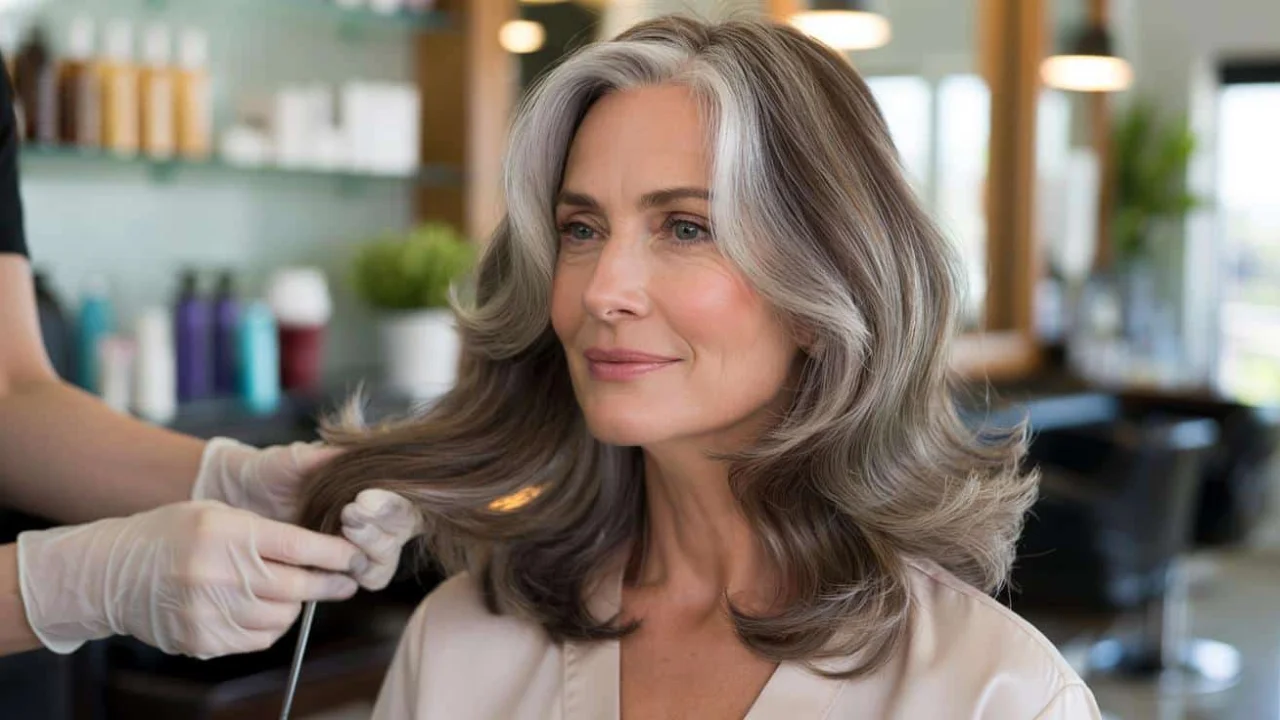
Sarah stared at her reflection in the bathroom mirror, pushing back the silver strands that seemed to multiply every week. At 47, she’d been religious about her balayage appointments, but the grow-out was becoming impossible to manage. “I feel like I’m chasing my own hair,” she told her colorist during what would become her last traditional highlight session.

That’s when her stylist mentioned something new—a technique called “melting” that was quietly revolutionizing how salons approach gray hair. Instead of fighting against the silver, this method worked with it, creating seamless transitions that made regrowth practically invisible.
Three months later, Sarah’s hair looked effortless. The gray was still there, but somehow it had become part of a beautiful, dimensional look that required touch-ups every three months instead of every five weeks.
What Makes the Melting Hair Technique Different from Balayage
The melting hair technique represents a fundamental shift in how colorists think about gray coverage. While balayage focuses on creating contrast through strategic lightening, melting is all about seamless blending.
“We’re not trying to hide the gray anymore—we’re incorporating it into a cohesive color story,” explains master colorist Lisa Chen, who’s been perfecting melting techniques for the past two years. “The goal is to make the natural silver work as part of the overall look.”

The process involves applying multiple shades that gradually transition into each other, creating what looks like a natural gradient. Instead of distinct sections of lightened hair, melting creates flowing color that moves seamlessly from root to tip.
Where balayage might use foils to create separation between colors, melting relies on precise brush work and timing to let colors literally melt into one another while processing. The result? No harsh lines, no obvious regrowth, and significantly longer time between salon visits.

Breaking Down the Melting Process and Benefits
The melting hair technique involves several key steps that differentiate it from traditional coloring methods:
- Color mapping: Analyzing existing gray patterns and natural undertones
- Multi-tonal application: Using 3-4 complementary shades instead of one base color
- Gradient blending: Creating smooth transitions between each shade
- Strategic placement: Working with natural growth patterns rather than against them
- Low-damage processing: Gentler formulas that enhance rather than dramatically alter
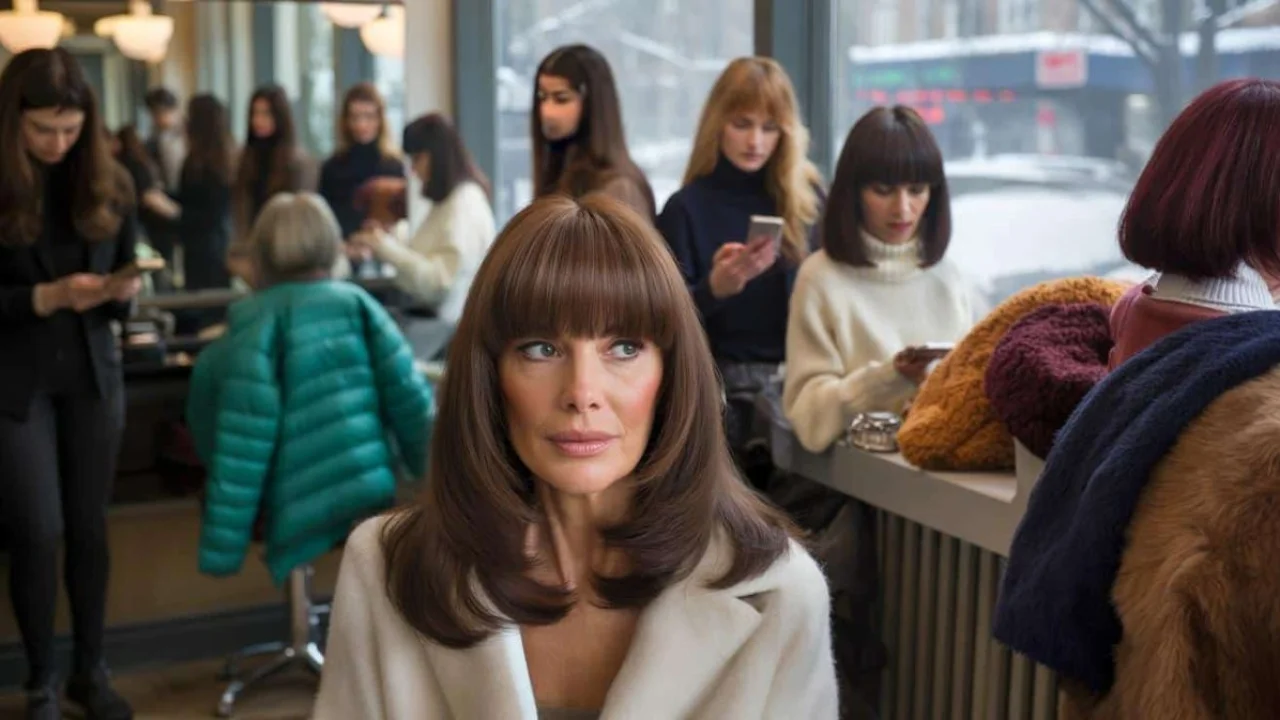
The benefits extend far beyond just appearance. Clients report feeling less anxious about their hair between appointments, and many say they’ve rediscovered confidence in their natural texture.
| Aspect | Traditional Balayage | Melting Technique |
|---|---|---|
| Appointment Frequency | Every 4-6 weeks | Every 10-12 weeks |
| Gray Coverage Approach | Lighten to cover | Blend and incorporate |
| Regrowth Visibility | Harsh contrast lines | Seamless transition |
| Processing Time | 2-3 hours | 3-4 hours |
| Maintenance Cost | Higher (frequent visits) | Lower (longer intervals) |
“The math works out beautifully for clients,” notes salon owner Marcus Rodriguez. “Yes, the initial appointment takes longer, but they’re saving money and time over the course of a year because they’re not coming in as often.”
Who’s Embracing This Gray-Friendly Revolution
The melting hair technique has found its biggest audience among women experiencing their first significant gray growth—typically those in their late 30s to early 50s. But the appeal extends beyond age demographics.
Busy professionals love the low-maintenance aspect. Parents appreciate not having to schedule frequent salon visits. Even younger clients who’ve gone prematurely gray are choosing melting over traditional coverage methods.
“I have clients in their twenties with genetic early graying who were getting highlights every month,” says colorist Amanda Torres. “Now they come in quarterly and their hair looks better than it ever did with constant processing.”
The technique also works exceptionally well for textured hair, where frequent chemical processing can cause significant damage. The gentler approach of melting preserves hair integrity while creating dimensional color.
Celebrities have quietly embraced the look too, though it’s hard to spot because that’s exactly the point—melted color looks completely natural. The effect is subtle sophistication rather than obvious salon work.
Salons report that once clients try melting, very few return to traditional highlighting methods. The convenience factor alone makes it compelling, but the natural-looking results seal the deal.
“It’s not just a hair color technique—it’s a lifestyle change,” explains Torres. “Clients tell me they feel more like themselves, not like they’re wearing a hair costume.”
The psychological impact shouldn’t be underestimated either. Many women describe feeling liberated from the constant worry about their roots showing, which allows them to focus on other things instead of scheduling their lives around hair appointments.
As more colorists master the melting technique, expect to see it become the new standard for gray coverage. The days of harsh root lines and frequent touch-ups may finally be behind us, replaced by a more thoughtful approach that works with our natural hair evolution rather than against it.
FAQs
How long does a melting hair appointment take compared to regular coloring?
Most melting sessions require 3-4 hours compared to 2-3 hours for traditional highlights, but you’ll need appointments much less frequently.
Will melting work on all hair types and textures?
Yes, the technique is actually gentler on textured hair and works well with natural curl patterns since it doesn’t require as much chemical processing.
How much does the melting technique typically cost?
Initial appointments range from $200-400 depending on location and hair length, but the longer time between visits often makes it more economical than frequent balayage touch-ups.
Can I go back to regular highlights if I don’t like the melted look?
Absolutely, since melting uses gentler processing, your hair will typically be in better condition and easier to re-color if desired.
How do I find a colorist trained in the melting technique?
Look for salons advertising “color melting” or “seamless gray blending” services, and don’t hesitate to ask about their experience with the specific technique.
Will my gray hair eventually take over the melted color?
The beauty of melting is that as your natural gray grows in, it blends seamlessly with the existing color rather than creating obvious regrowth lines.
About the Author
