When Sarah’s doctor called with her test results, she felt the ground shift beneath her feet. “You have colorectal cancer,” he said gently. But then came words that confused her even more: “Specifically, it’s rectal cancer, not colon cancer. This changes our treatment approach significantly.”

Like many people, Sarah had always thought colon and rectal cancer were basically the same thing. After all, doctors often group them together as “colorectal cancer.” But as she would soon learn, the location of her tumor—just those few inches lower in her digestive tract—would dramatically impact everything from her treatment options to her recovery process.
This distinction between rectal and colon cancer isn’t just medical jargon. For patients and their families, understanding the difference can mean the difference between optimal care and missed opportunities for the best possible outcome.

Where Location Makes All the Difference
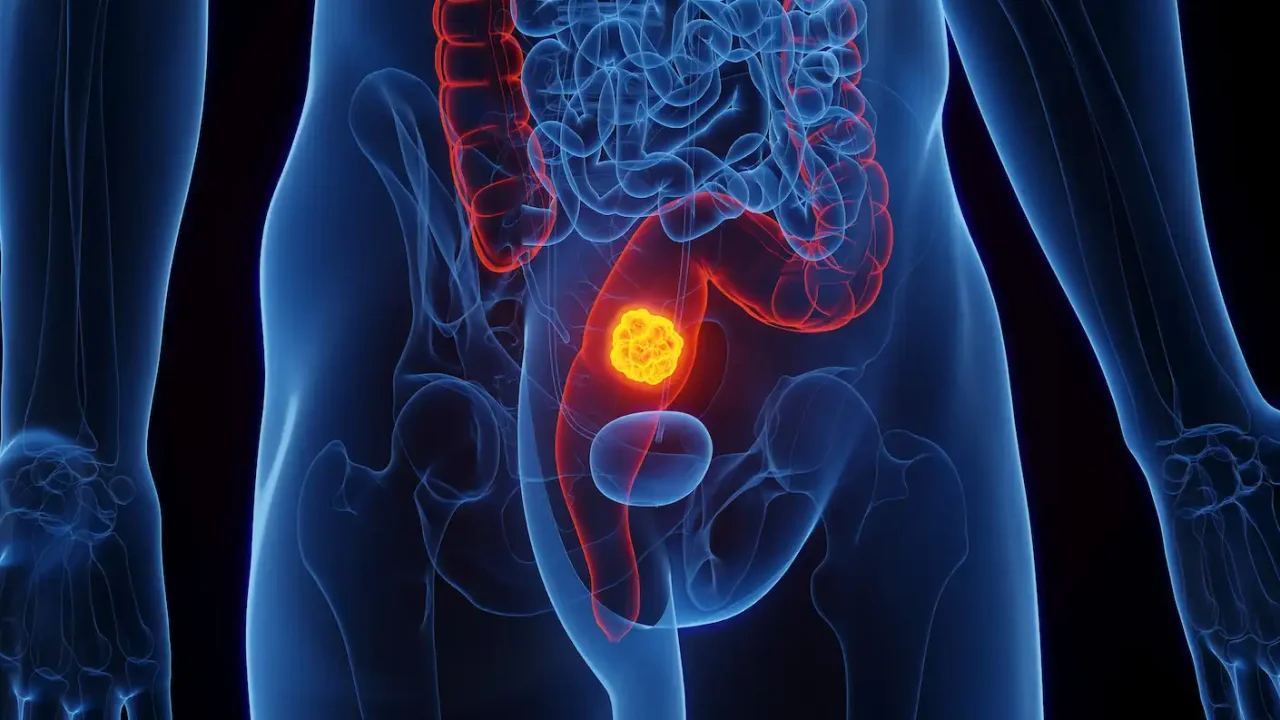
The human large intestine is about five feet long, but those final six inches matter more than you might think. Your colon makes up most of this length, winding through your abdomen in sections called the ascending, transverse, descending, and sigmoid colon. The rectum is the straight, final portion that connects to your anus.
“Think of it like the difference between a tumor in your living room versus one in your front hallway,” explains Dr. Jennifer Martinez, a colorectal surgeon at a major medical center. “Same house, but completely different challenges for removal and repair.”

Rectal cancer develops in this narrow, confined space surrounded by critical structures like the bladder, prostate (in men), and reproductive organs (in women). The rectum sits deep in your pelvis, making it much harder for surgeons to access than most parts of the colon. Meanwhile, colon cancer has more room to grow and is generally easier to reach surgically.
This anatomical difference creates a ripple effect that touches every aspect of treatment. Rectal cancer often requires radiation therapy before surgery to shrink tumors, while most colon cancers go straight to surgical removal. The surgical procedures themselves are vastly different, with rectal cancer operations being longer, more complex, and carrying higher risks of complications.

Treatment Paths That Couldn’t Be More Different
The treatment differences between rectal and colon cancer are striking, and they start from the moment of diagnosis. Here’s what patients typically face:
| Treatment Aspect | Colon Cancer | Rectal Cancer |
|---|---|---|
| Primary Treatment | Surgery first (usually) | Often radiation + chemo, then surgery |
| Pre-surgery Imaging | Basic staging scans | Detailed MRI of pelvis required |
| Surgery Complexity | Moderate | High complexity, longer duration |
| Recovery Time | 2-4 weeks typically | 6-8 weeks or longer |
| Risk of Permanent Colostomy | Very low | 15-30% depending on location |
For colon cancer, doctors can usually remove the affected section and reconnect healthy portions of intestine relatively easily. “It’s like removing a section of garden hose and putting in a new connector,” says Dr. Michael Chen, an oncologist specializing in gastrointestinal cancers.

Rectal cancer treatment is far more nuanced. Patients often undergo weeks of radiation therapy combined with chemotherapy to shrink the tumor before surgery. This “neoadjuvant” treatment can dramatically improve outcomes, but it also means a much longer treatment timeline.
- Neoadjuvant therapy typically lasts 5-6 weeks
- Patients then wait 6-12 weeks for maximum tumor shrinkage
- Surgery follows, often requiring specialized techniques
- Recovery can take months, not weeks
- Additional chemotherapy may follow surgery
The surgical challenges are immense. Rectal cancer surgeons must navigate around nerves that control sexual and bladder function while achieving clear margins around the tumor. Sometimes, they can preserve the sphincter muscles that control bowel movements. Other times, particularly for cancers very close to the anus, patients need a permanent colostomy.
What This Means for Real People
These medical differences translate into very real impacts on patients’ lives. Take workplace planning: someone with colon cancer might return to work in a month, while rectal cancer patients often need three to six months off. Family dynamics change when treatment stretches from weeks into many months.
“The emotional toll is completely different too,” notes Dr. Lisa Rodriguez, a patient advocate who’s worked with colorectal cancer patients for over a decade. “Colon cancer patients often feel like they can see the light at the end of the tunnel quickly. Rectal cancer patients face months of uncertainty and complex decisions about their quality of life.”
The statistics tell the story clearly. Five-year survival rates for colon cancer hover around 90% when caught early, compared to about 87% for rectal cancer. But these numbers don’t capture the full picture of what “survival” means in terms of quality of life.
Rectal cancer survivors face higher rates of long-term complications including bowel dysfunction, sexual problems, and bladder issues. These aren’t temporary setbacks—they can be permanent changes that require ongoing management and adaptation.
Financial impacts differ significantly too. The extended treatment timeline for rectal cancer means higher overall costs, more time away from work, and often the need for additional support services like home healthcare or specialized equipment.
For families, the journey looks completely different. Children might need to adapt to a parent being in treatment for half a year or longer. Spouses become long-term caregivers rather than short-term supporters. The psychological preparation required is fundamentally different.
“When I explain the difference to patients, I tell them colon cancer is like a sprint—intense but relatively quick,” explains Dr. Chen. “Rectal cancer is like training for a marathon. You need different preparation, different support systems, and different expectations for the finish line.”
Understanding these differences empowers patients to ask better questions, seek appropriate specialist care, and prepare mentally and practically for the road ahead. Whether you’re facing a diagnosis yourself or supporting someone who is, knowing that location truly matters in colorectal cancer can help you navigate what lies ahead with greater confidence and clarity.
FAQs
Are colon and rectal cancer the same disease?
No, they’re different diseases that happen to occur in connected parts of your digestive system, requiring completely different treatment approaches.
Why do doctors sometimes call it “colorectal cancer”?
The term groups them together for research and general discussion, but treatment decisions are always made based on the specific location of your tumor.
Is one type more serious than the other?
Both are serious, but rectal cancer typically requires more complex treatment and has higher risks of complications and functional changes.
Do they have different symptoms?
Rectal cancer more commonly causes visible bleeding, urgency, and feeling like you can’t completely empty your bowels, while colon cancer symptoms can be more subtle initially.
Should I see a different specialist for rectal cancer?
Yes, rectal cancer often requires specialists trained in complex pelvic surgery and radiation oncologists experienced with rectal cancer protocols.
Can rectal cancer spread differently than colon cancer?
Rectal cancer has a higher tendency for local recurrence due to the confined pelvic space, making complete surgical removal more challenging.
About the Author