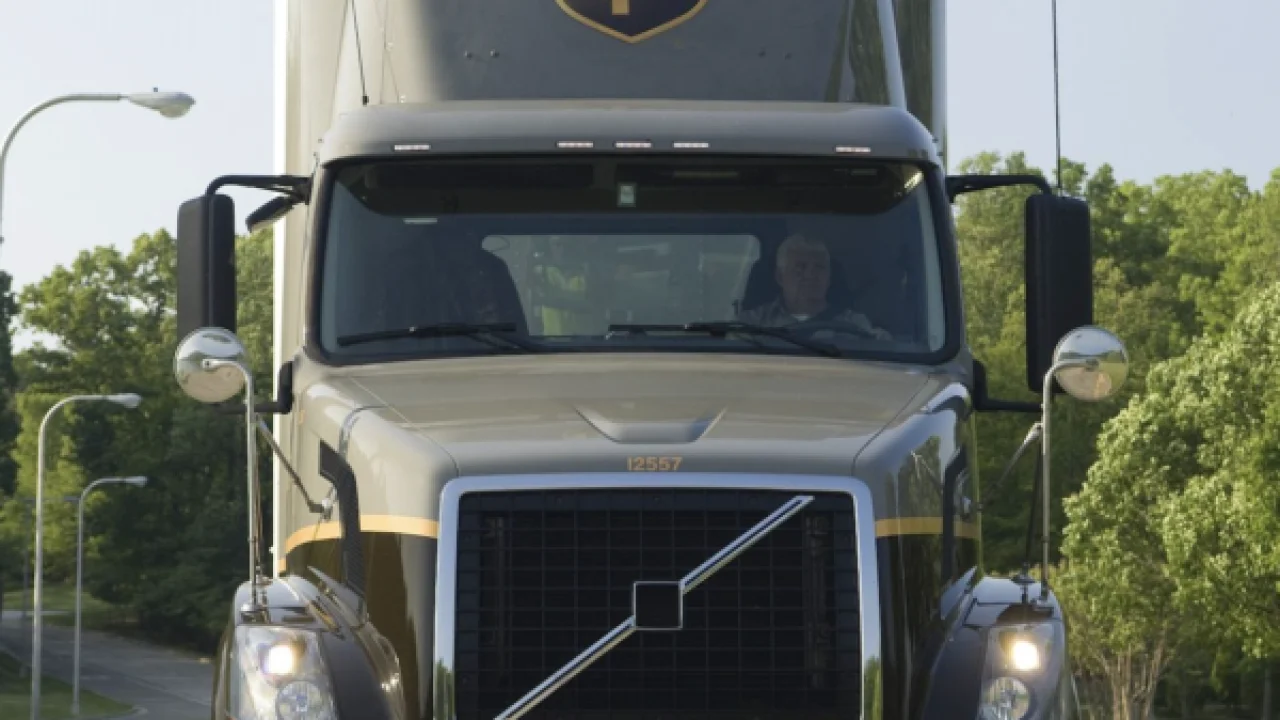
Maria Rodriguez has been driving for UPS for twelve years, building her route through the suburbs of Phoenix like a second home. She knows every doorstep, every dog’s name, and which customers always have a cold bottle of water waiting during the brutal summer months. When she heard rumors about a UPS driver buyout program, her heart sank.

“This job isn’t just about delivering packages,” Maria told her husband over dinner last week. “It’s about taking care of people, having security, knowing I can pay for my daughter’s college.” Now, with the Teamsters union filing an emergency restraining order against UPS, Maria and thousands of drivers like her are watching nervously as their livelihoods hang in the balance.
The legal battle unfolding between the International Brotherhood of Teamsters and UPS over a proposed driver buyout program represents more than just corporate maneuvering. For drivers across the country, this fight could determine whether they keep the jobs they’ve built their lives around.

Why the Teamsters Are Fighting Back
The Teamsters union has taken the extraordinary step of filing an emergency restraining order to block UPS from implementing what they’re calling an unauthorized driver buyout program. The union argues that UPS cannot unilaterally offer buyouts to union drivers without proper negotiation and approval through the collective bargaining process.
“UPS is trying to circumvent our contract and our members’ rights,” said a Teamsters spokesperson familiar with the case. “These buyout offers aren’t just about money – they’re about undermining the strength of our workforce and our bargaining power.”
The UPS driver buyout program reportedly targets senior drivers, offering financial packages to encourage early retirement or voluntary departure. While UPS hasn’t publicly detailed the specifics, industry insiders suggest the packages could range from $50,000 to over $100,000 depending on years of service and other factors.
Union leaders worry that the buyout program is designed to replace experienced, higher-paid union drivers with newer employees at lower wages. This strategy, they argue, would weaken the union’s position and potentially lead to reduced benefits and working conditions for remaining drivers.
What’s At Stake for UPS Drivers
The implications of this legal battle extend far beyond the courtroom. Here’s what UPS drivers are facing:
| Scenario | Impact on Drivers | Timeline |
|---|---|---|
| Restraining Order Granted | Buyout program halted, status quo maintained | Immediate |
| UPS Wins Legal Challenge | Buyout offers proceed as planned | Within 30 days |
| Negotiated Settlement | Modified buyout program with union input | 2-3 months |
The financial considerations are complex for drivers considering any potential UPS driver buyout offer. Senior drivers with decades of service often earn substantial wages and have accumulated significant pension benefits. The decision to accept a buyout isn’t just about the immediate cash payment.
- Loss of ongoing salary and benefits
- Reduced pension accumulation
- Impact on healthcare coverage
- Difficulty finding comparable employment
- Family financial planning disruption
“These drivers have given their whole careers to this company,” explains labor attorney Jennifer Martinez, who specializes in transportation industry disputes. “A buyout might sound attractive on paper, but when you calculate lost future earnings and benefits, it’s often not the golden parachute it appears to be.”
The Real-World Impact on Communities
Beyond the immediate effects on drivers and their families, this dispute could ripple through entire communities. UPS drivers are often pillars of their neighborhoods, building relationships that span decades. They know which elderly customers need extra help, which small businesses depend on timely deliveries, and which kids run out to wave when the familiar brown truck rounds the corner.
The potential workforce disruption concerns customers and local businesses alike. Small business owners who rely on consistent UPS service worry about delays and service changes if experienced drivers leave en masse.
“My regular UPS driver knows exactly how we like our deliveries handled,” says Sarah Chen, who runs a small online boutique. “He understands our business needs and has become part of our success story. Losing that consistency would be devastating.”
The economic impact extends beyond individual paychecks. UPS drivers typically earn middle-class wages that support local economies through housing purchases, retail spending, and community involvement. A significant reduction in this workforce could affect everything from local real estate values to small business revenues.
Industry analysts suggest that UPS’s push for the driver buyout program reflects broader pressures in the shipping industry. Rising labor costs, increased competition from Amazon and other delivery services, and pressure to improve profit margins are driving companies to seek ways to reduce operational expenses.
“This is really about the changing nature of work in America,” notes transportation industry researcher Dr. Michael Thompson. “Companies are looking for ways to maintain profitability while workers are fighting to preserve the middle-class jobs that built their communities.”
The legal proceedings are expected to move quickly given the emergency nature of the restraining order request. Both sides have significant resources and experienced legal teams, suggesting this battle could set important precedents for labor relations in the shipping industry.
For drivers like Maria Rodriguez, the waiting is the hardest part. Every day brings new rumors and speculation about what might happen to their jobs, their routes, and their futures. The UPS driver buyout controversy has forced thousands of families to confront uncomfortable questions about financial security and career stability.
The outcome of this legal challenge will likely influence how other major shipping companies approach workforce management and union relations. With e-commerce continuing to drive demand for delivery services, the stakes couldn’t be higher for both companies and workers in this critical industry.
FAQs
What exactly is the UPS driver buyout program?
It’s a proposed voluntary program offering financial packages to encourage experienced UPS drivers to leave their positions early.
Why are the Teamsters opposing the buyout offers?
The union argues that UPS cannot implement such programs without proper negotiation through the collective bargaining process.
How much money are drivers being offered in the buyouts?
While UPS hasn’t released official figures, reports suggest packages could range from $50,000 to over $100,000 based on years of service.
What happens if the restraining order is granted?
UPS would be prevented from proceeding with the buyout program until the legal issues are resolved.
Could this affect package delivery services?
If large numbers of experienced drivers leave, it could potentially impact delivery consistency and service quality.
When will we know the outcome of the legal challenge?
Emergency restraining order requests are typically decided within days or weeks, though the broader legal issues could take months to resolve.
About the Author