Imagine opening your front door to find an eviction notice taped there by your own sister. The betrayal cuts deep, the anger builds, and suddenly a family dispute spirals into something unthinkable. For most of us, sibling fights end with slammed doors and weeks of silence. But in Honeoye Falls, New York, prosecutors say one such housing dispute ended in murder.

The sister murder trial of Jamie Busch has captivated Monroe County as prosecutors paint a chilling picture of family loyalty shattered over rent and real estate. What started as a simple eviction attempt allegedly ended with one sister dead and the other facing life in prison.
When Family Business Turns Deadly
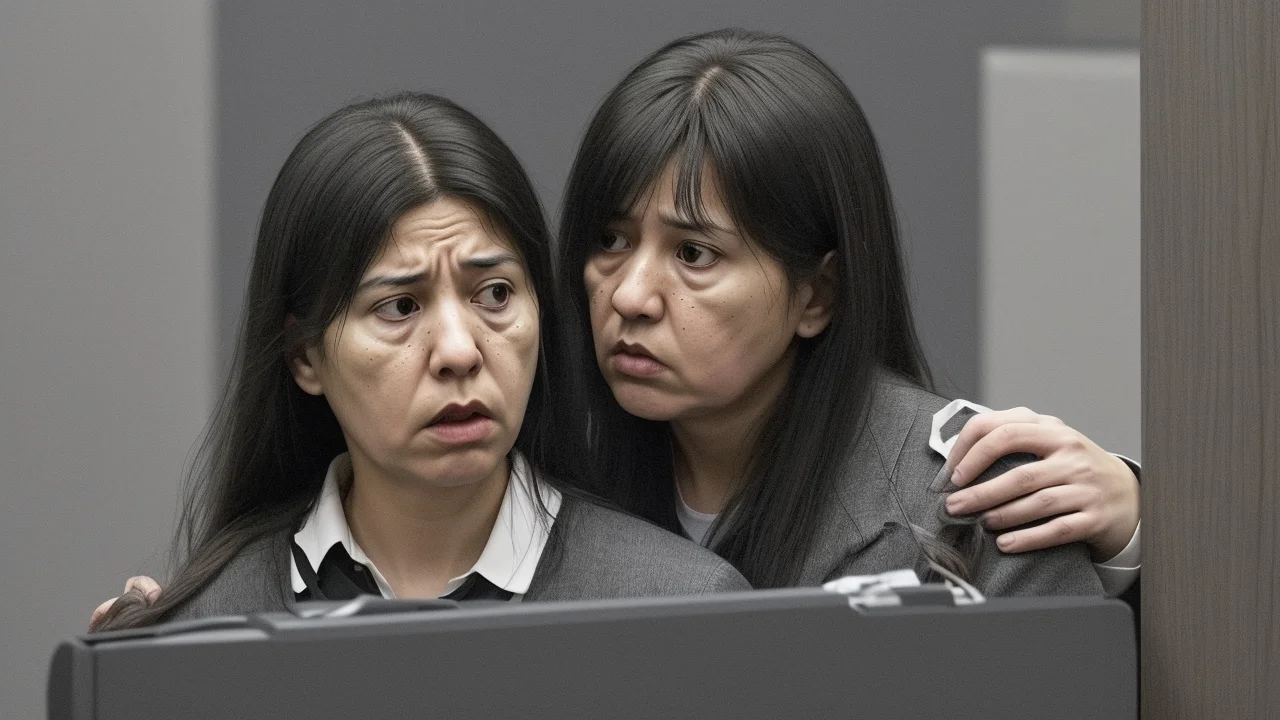
The case centers around Jamie and Penny Busch, sisters whose relationship soured over housing arrangements that went tragically wrong. According to prosecutors, Penny Busch decided to evict her sister Jamie from their shared Honeoye Falls home, setting off a chain of events that would destroy both their lives.

“The evidence shows this wasn’t a crime of passion,” explained one court observer familiar with the proceedings. “This was a deliberate act following a family dispute that had been brewing for some time.”
Prosecutors allege that Jamie strangled her sister after receiving the eviction notice, then went to extraordinary lengths to cover up the crime. The sister murder trial has revealed disturbing details about the alleged disposal of Penny’s body in the Genesee River and the destruction of evidence, including three cellphones thrown into a dumpster.
Deputies discovered something was wrong during a routine welfare check in October 2024. Penny’s Jeep sat parked in an unusual position behind the house, and investigators soon noticed other troubling signs that led to the murder charges.
The Evidence That Could Seal Jamie’s Fate
The sister murder trial has turned everyday objects into crucial pieces of evidence that prosecutors say tell the story of a carefully planned crime. Here’s what the state is presenting to jurors:

- Mud-covered tires that allegedly show Jamie’s movements to dispose of the body
- A broken yard lamp that prosecutors say was damaged during the struggle
- The eviction notice that triggered the deadly confrontation
- Three cellphones found in a dumpster, allegedly thrown there to destroy evidence
- Body camera footage from deputies who responded to the welfare check
- Photographs showing the oddly parked Jeep behind the house
“Every piece of evidence tells part of the story,” noted a legal expert following the case. “From the broken lamp to the discarded phones, prosecutors are building a timeline that they believe proves premeditation.”
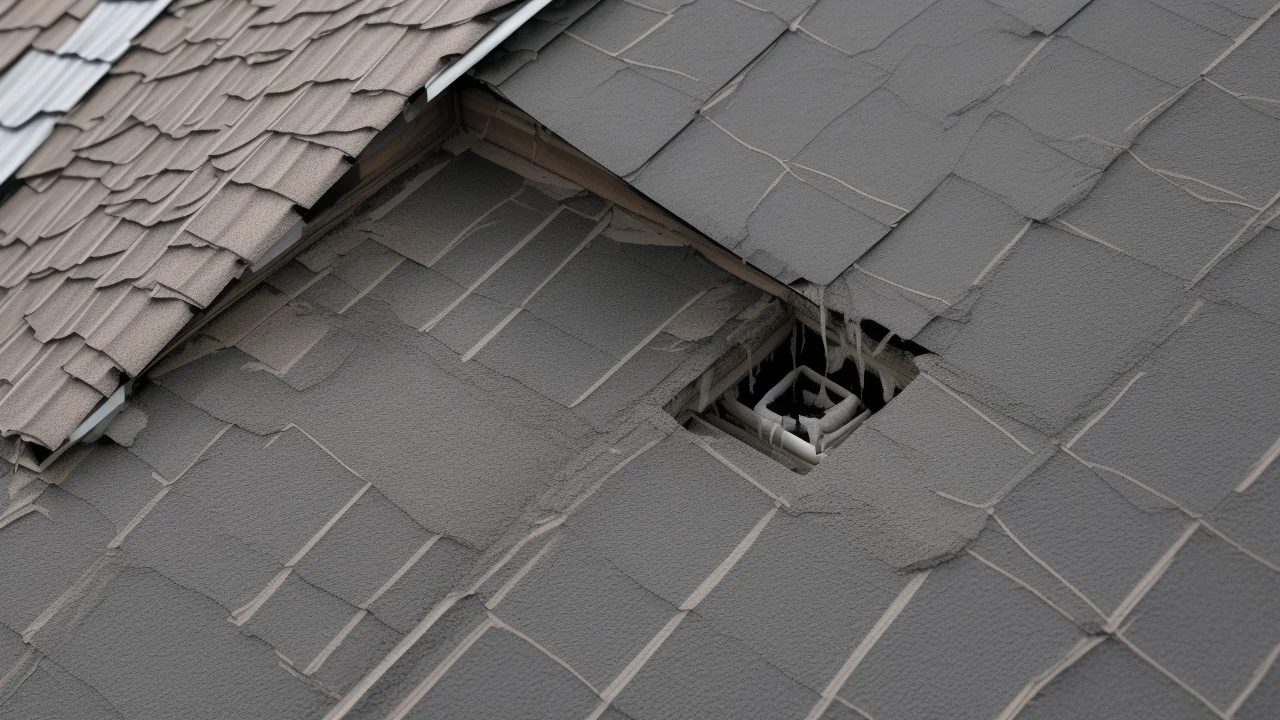
The prosecution’s case relies heavily on circumstantial evidence, but they argue the accumulation of proof points clearly to Jamie’s guilt. The sister murder trial has featured testimony about the physical evidence found at the scene and the suspicious behavior that followed Penny’s disappearance.
| Evidence Type | Location Found | Significance |
|---|---|---|
| Mud-covered tires | Jamie’s vehicle | Shows travel to river disposal site |
| Broken yard lamp | Property exterior | Indicates physical struggle occurred |
| Three cellphones | Commercial dumpster | Attempt to destroy communications evidence |
| Eviction notice | Home interior | Establishes motive for the crime |
| Penny’s Jeep | Behind house | Unusual parking raised suspicions |
Defense Strategy Challenges the Timeline
Jamie’s defense team isn’t disputing that Penny is dead, but they’re attacking every aspect of the prosecution’s case. Their strategy focuses on reasonable doubt and what they call investigative shortcuts that led to wrong conclusions.
“The state wants you to believe they know exactly when and where Penny died, but they’re guessing,” defense attorneys argued before jurors. “They’ve built their case on assumptions rather than facts.”
The defense contends that investigators jumped to conclusions about Jamie’s guilt without properly exploring other possibilities. They argue the timeline doesn’t add up and that physical evidence could have other explanations besides murder.
Body camera footage and crime scene photographs will be crucial as both sides present their interpretations of what happened. The sister murder trial is expected to hinge on whether jurors believe the circumstantial evidence proves guilt beyond reasonable doubt.
Impact on the Community and Family Violence Awareness
The sister murder trial has shocked the tight-knit Honeoye Falls community, where neighbors say they never imagined such violence could occur between family members. The case highlights how quickly domestic disputes can escalate into tragedy.
“When we think about domestic violence, we usually think about spouses or partners,” explained a victim advocate who has followed the case. “But family violence between siblings is more common than people realize, especially when money and housing are involved.”
Local social services have reported increased calls from families dealing with housing disputes since the case gained attention. Many residents say the trial has made them more aware of warning signs in family conflicts that might be spiraling out of control.
The case also raises questions about eviction procedures and family housing arrangements. Legal experts suggest that formal eviction processes, even between family members, might help prevent similar tragedies by creating clear boundaries and expectations.
As testimony resumes, the Monroe County community watches to see whether the evidence will be enough to convict Jamie Busch of her sister’s murder. The sister murder trial serves as a stark reminder that family bonds, while usually protective, can sometimes become deadly when strained beyond their breaking point.
The outcome will likely influence how law enforcement and social services approach family housing disputes in the future. Whatever the verdict, two families have been forever changed by a conflict that began with a simple eviction notice and ended in an unthinkable crime.
FAQs
What charges is Jamie Busch facing in her sister’s murder trial?
Jamie Busch is facing murder charges for allegedly strangling her sister Penny following an eviction dispute in Honeoye Falls.
When did Penny Busch disappear?
Deputies discovered something was wrong during a welfare check in October 2024, when they found Penny’s Jeep parked oddly behind the house.
What evidence is the prosecution using in the sister murder trial?
Key evidence includes mud-covered tires, a broken yard lamp, an eviction notice, three cellphones found in a dumpster, and body camera footage from responding deputies.
How is the defense challenging the murder charges?
Defense attorneys argue the state lacks proof of when or where Penny died and claim investigators made assumptions rather than following facts.
Where was Penny Busch’s body allegedly disposed of?
Prosecutors allege that Jamie dumped her sister’s body in the Genesee River after the murder.
What was the motive for the alleged murder?
The sister murder trial centers around an eviction dispute, with prosecutors saying Jamie killed Penny after receiving an eviction notice from the shared family home.
About the Author