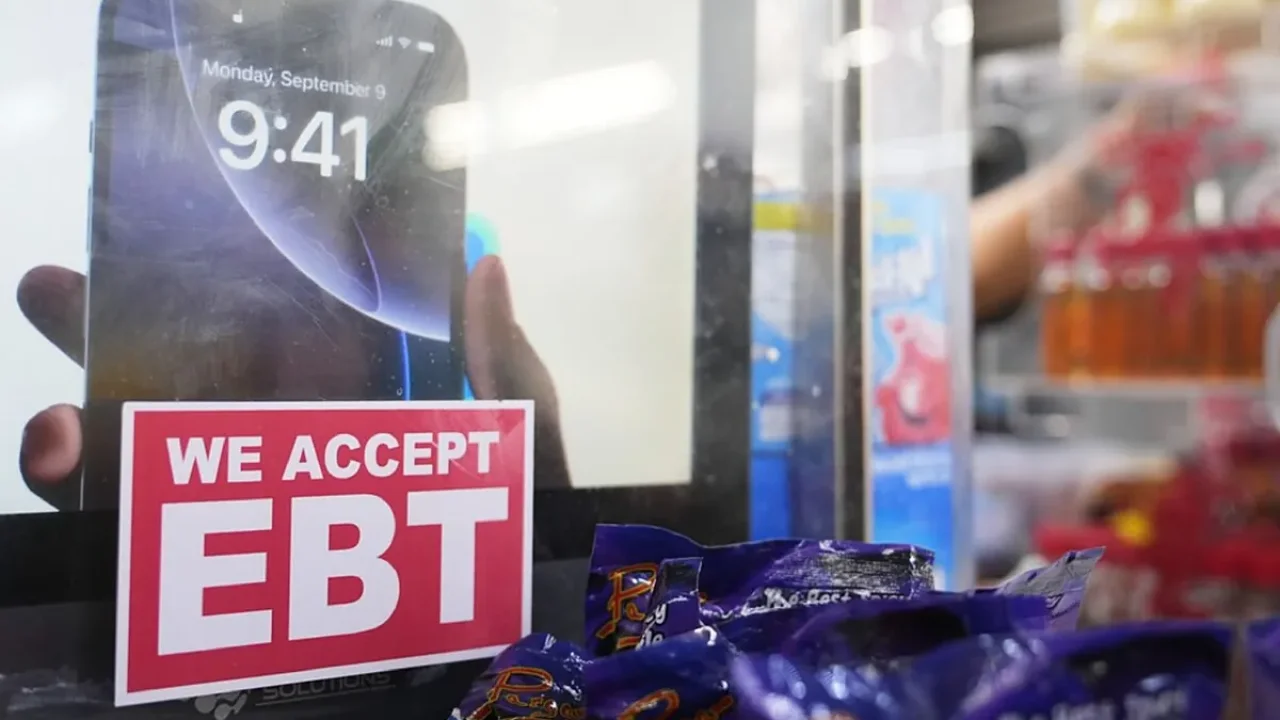
Maria stepped up to the checkout counter at her local grocery store, her two young kids tugging at her cart filled with essentials for the week. As she reached for her SNAP benefits card, her 8-year-old pointed to the soda she’d grabbed—a rare treat she hoped would make their tight budget feel a little less restrictive. In a few months, that simple purchase might trigger an embarrassing rejection at the register, leaving Maria to explain to her children why their family can’t buy what others can.
This scenario could soon become reality for thousands of Colorado families as the state moves forward with controversial restrictions on what people can buy with SNAP benefits. The debate isn’t just about policy—it’s about dignity, choice, and whether the government should dictate what’s in your grocery cart when you’re already struggling to fill it.
Colorado’s Bold Move Toward SNAP Purchase Restrictions
Colorado has taken a significant step that could reshape how food assistance works across the nation. The state’s Human Services Board recently approved advancing the Healthy Choice Waiver program, which would ban SNAP recipients from purchasing sugary drinks with their benefits.

This isn’t just another bureaucratic policy change. Colorado is positioning itself as a testing ground for what could become a nationwide shift in how we think about food assistance and public health. The proposal has cleared its first major hurdle, but the real battle is just beginning.
“We’re not trying to shame anyone,” said state health officials defending the measure. “We’re looking at ways to improve health outcomes for families who rely on these benefits.”
But critics see it differently. They argue that this SNAP purchases ban crosses a line from assistance into control, potentially creating more barriers for families who already face enough challenges putting food on the table.
What’s Actually Getting Banned and When
The scope of Colorado’s proposed restrictions goes beyond just soda. If the waiver receives final approval, SNAP recipients would be prohibited from purchasing several categories of beverages:

| Beverage Category | Specific Restrictions |
|---|---|
| Soft Drinks | All carbonated beverages, including diet versions and colas |
| Energy and Sports Drinks | Products containing added sugars or artificial sweeteners |
| Sweetened Coffee/Tea | Iced coffees and teas with added sweeteners |
| Processed Juices | Beverages with less than 50% natural fruit or vegetable juice |
The timeline has already shifted once. Originally set to begin March 1, 2026, Colorado requested an extension from the U.S. Department of Agriculture. The new target date is April 30, 2026, giving the state more time to update technical systems and process community feedback.
This delay reveals something important: implementing a SNAP purchases ban isn’t as simple as flipping a switch. Every point-of-sale system needs updates, every cashier needs training, and every affected family needs to understand what’s changing.
The restrictions focus specifically on beverages deemed to have low nutritional value. Fresh milk, 100% fruit juices, and water would remain eligible purchases. But for families accustomed to occasional treats or familiar brands, the adjustment could feel jarring.
The Human Cost of Good Intentions
Behind every policy debate are real people whose daily lives hang in the balance. The opposition to Colorado’s SNAP purchases ban isn’t just philosophical—it’s deeply personal.
Organizations like Save the Children Action Network have voiced serious concerns about the psychological impact on families, particularly children. Picture a teenager at checkout, watching their parent’s card get declined for a sports drink while other customers purchase the same item without issue.
“The embarrassment and stress this causes at checkout counters is real,” explained advocacy groups opposing the measure. “We’re talking about families who are already dealing with food insecurity. Adding more complexity and potential shame to their shopping experience seems counterproductive.”
Small business owners face their own challenges. Many corner stores and smaller grocers worry about the cost of upgrading their point-of-sale systems to identify which products qualify under the new restrictions. For businesses operating on thin margins, these technological updates represent a significant financial burden.
The economic ripple effects extend beyond just technology costs. Store owners in low-income neighborhoods, where SNAP usage is highest, could see reduced sales of certain beverages. This might force difficult decisions about which products to stock and how to price remaining eligible items.
Community leaders have proposed alternative approaches that focus on incentives rather than restrictions. Programs like Double Up Food Bucks, which doubles SNAP benefits when used for fresh fruits and vegetables, offer a more positive way to encourage healthy eating without limiting choices.
“Instead of telling families what they can’t buy, why not make it easier and more affordable to buy healthy options?” suggested local community advocates.
The debate also touches on broader questions about personal autonomy and government oversight. Some argue that once someone qualifies for SNAP benefits, they should have the same shopping freedoms as anyone else. Others contend that public programs come with public responsibilities, including making choices that support long-term health.
As April 2026 approaches, Colorado finds itself at the center of a national conversation about the role of government in personal food choices. The outcome could influence similar proposals in other states and potentially reshape federal SNAP policy for millions of Americans.
The stakes are high for everyone involved. Policymakers want to improve public health outcomes and reduce healthcare costs. Families want dignity and choice in their food decisions. Business owners want manageable compliance requirements. Finding a solution that addresses everyone’s concerns won’t be easy.
What happens in Colorado over the next few months could determine whether SNAP purchases bans become a national trend or a cautionary tale about the unintended consequences of well-intentioned policies.
FAQs
When would the SNAP purchases ban start in Colorado?
The restrictions are tentatively scheduled to begin April 30, 2026, after Colorado requested an extension from the original March 1 date.
What drinks would be banned under the new rules?
SNAP recipients couldn’t buy soft drinks, energy drinks, sports drinks, sweetened iced coffee or tea, and processed juices with less than 50% natural fruit content.
Would diet sodas be included in the ban?
Yes, the restrictions would apply to all carbonated beverages, including diet versions and sugar-free options.
How would stores enforce these restrictions?
Retailers would need to update their point-of-sale systems to automatically identify which beverages are eligible for SNAP purchases and which aren’t.
Are other states considering similar bans?
Colorado is pioneering this approach, but other states are watching closely to see how the program works before potentially implementing their own restrictions.
What alternatives do opponents suggest?
Critics prefer incentive-based programs like Double Up Food Bucks, which doubles SNAP benefits when used for fresh fruits and vegetables, rather than restricting purchases.
About the Author