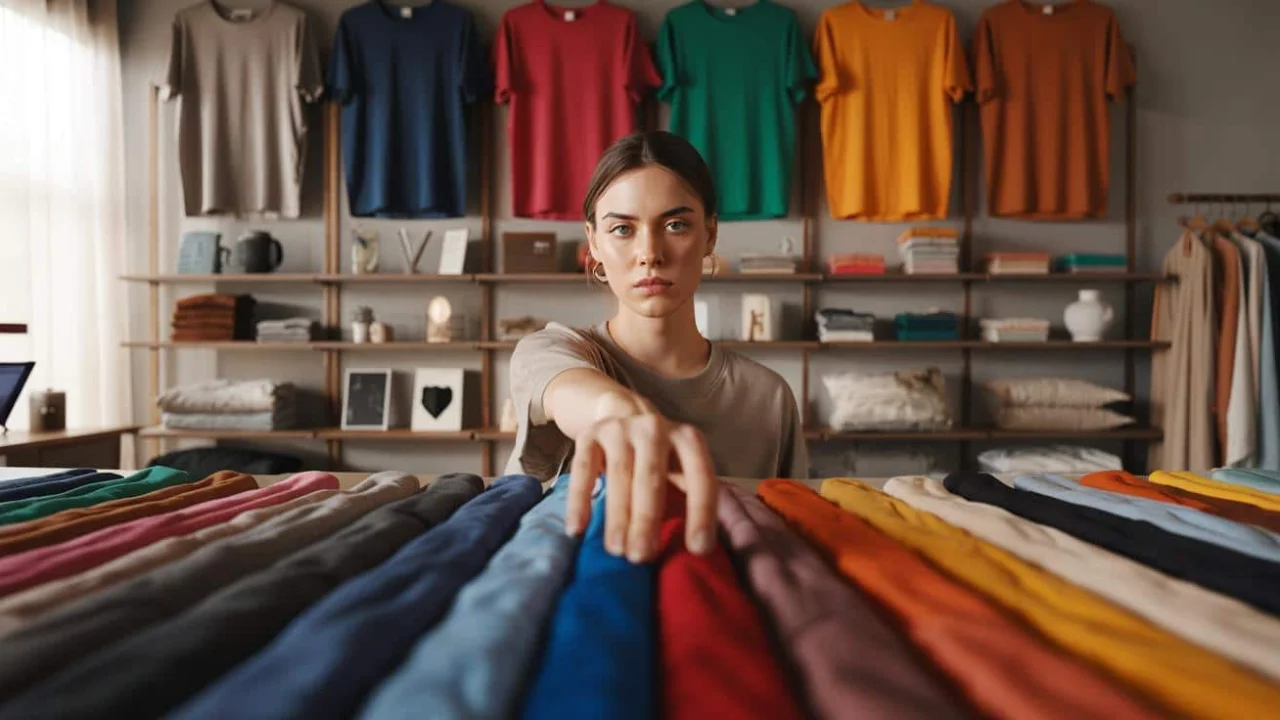
Sarah always reaches for the same navy sweater when she’s having a rough day. It hangs in her closet like a faithful friend, soft and reliable. She doesn’t think much about why this particular shade calls to her—it just feels right when everything else feels chaotic.
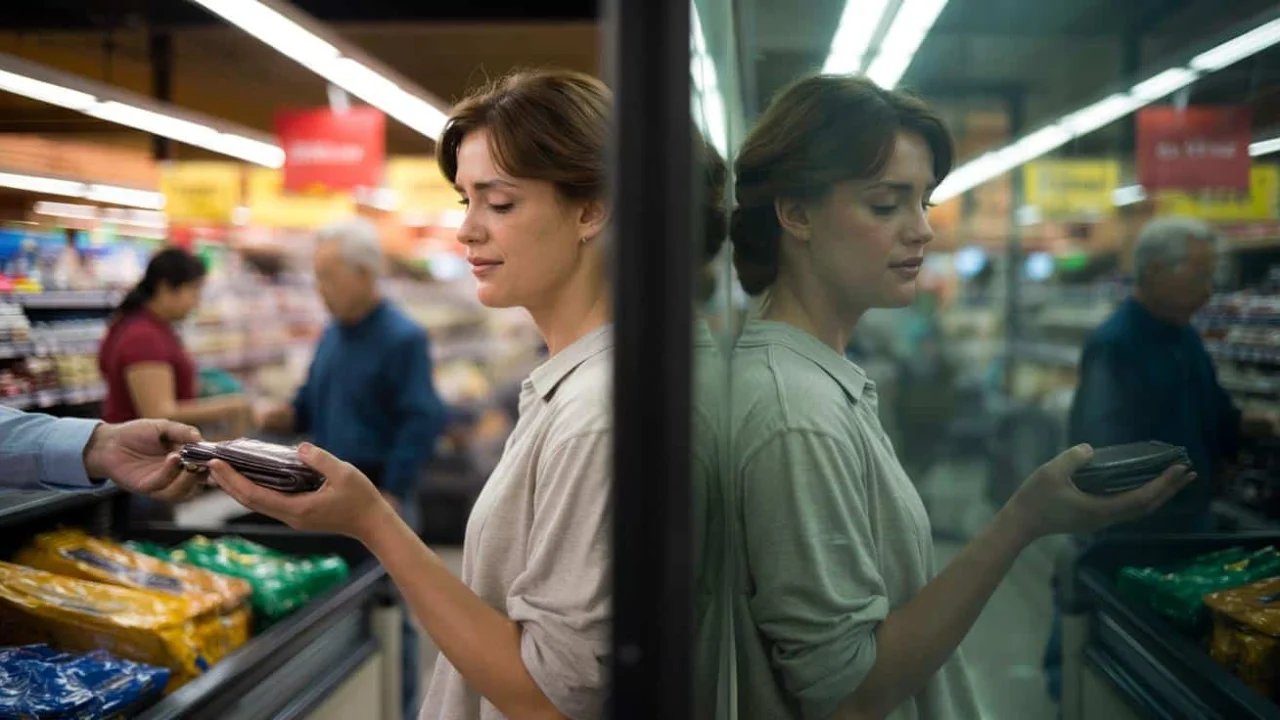
Her roommate Emma, meanwhile, fills their apartment with splashes of bright yellow. Throw pillows, coffee mugs, even her laptop case. “It makes me happy,” Emma shrugs when asked. What neither realizes is that their color choices are quietly broadcasting who they are to the world.
These aren’t just random preferences. According to color psychology, the hues we gravitate toward reveal deep truths about our personalities, emotions, and how we navigate life’s ups and downs.

The hidden language your favorite color speaks
Color psychology suggests that our favorite shades act like a personal signature, reflecting our inner world without us even realizing it. When you consistently choose certain colors for your clothes, car, or home decor, you’re essentially wearing your personality on the outside.
“People are drawn to colors that resonate with their emotional needs and psychological state,” explains Dr. Jennifer Martinez, a behavioral psychologist who studies color preferences. “It’s not conscious, but it’s incredibly consistent.”

Research shows that color preferences often remain stable throughout our lives, with most people identifying their favorite color by age five and rarely changing it as adults. This consistency suggests something deeper than mere aesthetic choice—it points to fundamental aspects of who we are.
The most popular favorite colors worldwide tell fascinating stories about human nature. Blue consistently ranks first across cultures, suggesting our collective need for stability and calm. Green follows closely, reflecting our connection to nature and growth. Red, purple, and yellow round out the top five, each carrying distinct psychological associations.
What each color reveals about your personality
Different colors attract different personality types, and the patterns are remarkably consistent across studies. Here’s what color psychology research reveals about the most popular favorite colors:
| Color | Personality Traits | Emotional Needs |
|---|---|---|
| Blue | Loyal, trustworthy, peaceful | Stability, calm, security |
| Green | Balanced, growth-oriented, practical | Harmony, renewal, nature connection |
| Red | Energetic, passionate, confident | Excitement, power, attention |
| Purple | Creative, intuitive, mysterious | Imagination, spirituality, uniqueness |
| Yellow | Optimistic, cheerful, intellectual | Joy, mental stimulation, warmth |
| Black | Sophisticated, independent, strong | Control, elegance, protection |
Blue lovers tend to value peace above chaos. They’re the friends who remember your birthday, show up when you need them, and prefer deep conversations over small talk. “Blue people often work in helping professions or seek careers where they can build trust with others,” notes color therapist Dr. Michael Chen.
Those drawn to red, meanwhile, aren’t afraid to take up space. They speak up in meetings, try new restaurants, and often become natural leaders. Red preferences correlate with higher energy levels and comfort with risk-taking.
Green enthusiasts typically crave balance in all things. They’re often the mediators in friend groups, drawn to outdoor activities, and genuinely care about environmental issues. Their color choice reflects a deep need for harmony and growth.
The psychology behind these preferences runs deeper than simple associations. Colors trigger genuine physiological responses—red can actually increase heart rate and blood pressure, while blue has a calming effect on the nervous system. Our brains are hardwired to respond to certain wavelengths of light in predictable ways.
How your color choices shape your daily life
Understanding color psychology isn’t just academic curiosity—it has real implications for how you live, work, and relate to others. Your color preferences influence everything from career satisfaction to relationship dynamics.
In the workplace, people who favor blue often excel in roles requiring trust and reliability—think healthcare, finance, or customer service. Those drawn to red might thrive in sales, entertainment, or leadership positions where energy and charisma matter.
“I’ve noticed that couples often complement each other’s color preferences,” observes relationship counselor Dr. Lisa Rodriguez. “A blue person might balance a red person’s intensity, while the red person brings excitement to the blue person’s steady nature.”
Your home environment reflects these preferences too. Blue lovers create calming sanctuaries with soft textures and organized spaces. Red enthusiasts might have bold art, statement furniture, and spaces that encourage activity and conversation.
Even small daily choices—like the color of your phone case or coffee mug—reinforce your psychological needs. That navy sweater Sarah reaches for? It’s her way of wrapping herself in the calm and security that blue represents.
Some key ways color preferences manifest in daily life include:
- Wardrobe choices that boost confidence and reflect mood
- Home decor that supports emotional well-being
- Car colors that express personality and status preferences
- Technology accessories that feel personally meaningful
- Gift preferences that align with psychological needs
Color psychology also explains why certain environments feel instantly comfortable while others feel jarring. Walking into a space filled with your preferred colors can literally lower stress hormones and improve mood. This is why hotels, restaurants, and retail spaces invest heavily in color consultation—they’re trying to trigger positive emotional responses.
The implications extend to mental health as well. Color therapy uses specific hues to address emotional imbalances, and many people instinctively surround themselves with colors that support their psychological well-being. That bright yellow Emma loves? It might be her subconscious way of combating seasonal depression or maintaining optimism during stressful periods.
“Color choices often reflect not just who we are, but who we’re trying to become,” explains Dr. Martinez. “Someone going through a major life change might suddenly be drawn to different colors that support their growth.”
The next time you find yourself reaching for that familiar shade, pause for a moment. What is this color giving you? What does it say about what you need right now? Your favorite color might be more than just a preference—it could be your psyche’s way of taking care of you, one small choice at a time.
FAQs
Can your favorite color change over time?
While most people maintain the same favorite color throughout their lives, major life changes or personal growth can shift preferences toward colors that better support new psychological needs.
Do men and women prefer different colors?
Research shows some gender differences, with women more likely to prefer warm colors like red and pink, while men often gravitate toward cooler tones, though individual preferences vary widely.
Is there a connection between favorite colors and career success?
Color preferences can indicate personality traits that align well with certain careers, but success depends on many factors beyond color psychology.
Why do some people say they don’t have a favorite color?
Some individuals prefer neutrals or find it genuinely difficult to choose, which might reflect personality traits like adaptability, practicality, or a desire to blend in rather than stand out.
Can surrounding yourself with your favorite color improve your mood?
Yes, research suggests that being around preferred colors can reduce stress, boost confidence, and support emotional well-being by creating environments that feel psychologically comfortable.
Do cultural backgrounds affect color preferences?
Absolutely. Cultural associations with colors vary significantly, though some preferences like blue for calmness appear fairly universal across different societies.
About the Author