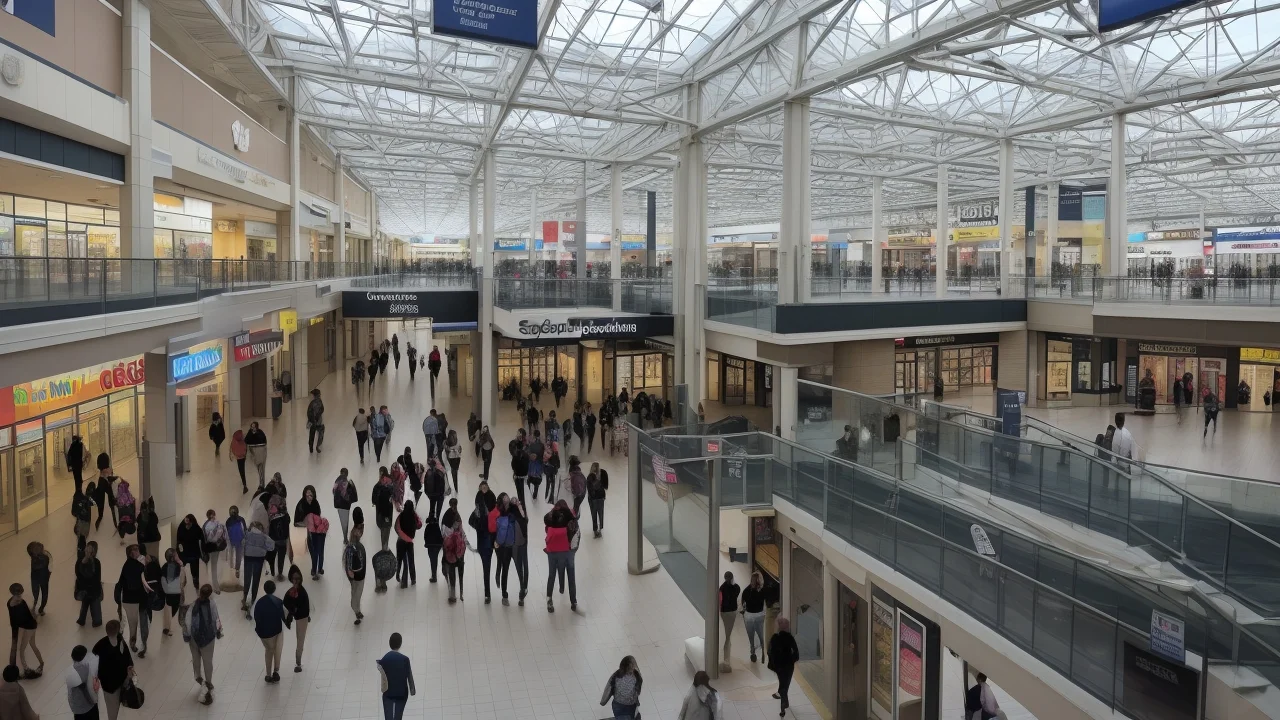
Maria Gonzalez drives past the empty Shoppingtown Mall every day on her way to work in Syracuse. For the past five years, she’s watched weeds grow through the parking lot cracks and windows gather dust where families once shopped for back-to-school clothes and holiday gifts.

“It breaks my heart,” says Maria, who raised three kids shopping at that mall in the 1990s and 2000s. “My children learned to ride the escalators there. We’d spend whole Saturday afternoons just walking around, window shopping, grabbing lunch at the food court.”
Now, like thousands of other residents in the DeWitt area, Maria waits to see if a judge’s decision will finally breathe life back into the abandoned shopping center that once anchored her community.

The Legal Battle That Could Change Everything
Shoppingtown Mall sits empty while lawyers argue over its future in New York State Supreme Court. After standing vacant for five long years, the mall’s fate now rests in the hands of a judge who will decide whether Onondaga County can use eminent domain to seize the final piece of property needed for redevelopment.
The county has already made significant moves, purchasing the former Sears building for $4.5 million last fall. But they’re still fighting for control of the former Macy’s parcel, which remains the missing puzzle piece in their redevelopment plans.

“We’re so close to moving forward, but this one legal hurdle keeps us stuck in limbo,” explains County Executive Ryan McMahon. “The community deserves better than watching this property decay while we navigate the courts.”
The eminent domain hearing represents a critical moment for both the county and the property owners who have been locked in this legal standoff. Unlike typical real estate negotiations, eminent domain allows government entities to acquire private property for public use, even if the current owners don’t want to sell.

What’s Really at Stake Here
The numbers tell a story of both investment and frustration:
| Property Component | Status | Value/Cost |
|---|---|---|
| Former Sears Building | County-owned | $4.5 million |
| Former Macy’s Parcel | In legal dispute | Under negotiation |
| Years vacant | Ongoing | 5 years |
| Redevelopment timeline | On hold | Pending court decision |
The community has made their preferences crystal clear through various public meetings and surveys:

- Strong support for mixed-use development combining retail, residential, and office space
- Opposition to manufacturing or industrial uses
- Desire for family-friendly amenities and green spaces
- Need for economic development that creates jobs
- Emphasis on walkable, sustainable design
“Residents have been incredibly patient, but they want to see something that serves the community,” notes DeWitt Town Supervisor Ed Michalenko. “We hear the same message repeatedly: bring back the life this area once had.”
The Human Cost of Empty Promises
Behind the legal jargon and property disputes, real people continue to feel the impact of Shoppingtown Mall’s prolonged vacancy. Local business owners report decreased foot traffic in surrounding areas. Property values in nearby neighborhoods have stagnated. Senior citizens who once used the mall for safe, climate-controlled exercise now drive further to find suitable walking spaces.
The Town of DeWitt finds itself in an unusual position, hosting the property but having little direct control over its future. Town leaders acknowledge their limited authority while the county spearheads the redevelopment effort.
“It’s frustrating to field calls from residents asking what we’re doing when most of the power lies with the county,” admits a town council member who requested anonymity. “We want progress as much as anyone, but we’re essentially spectators in this legal process.”
The eminent domain hearing scheduled for this week could finally provide the clarity everyone seeks. If the judge rules in favor of the county, redevelopment plans can move forward without further property acquisition delays. A ruling against the county would send officials back to the negotiating table, potentially extending the uncertainty for months or even years.
Commercial real estate experts point out that successful mall redevelopments typically take 18-24 months from groundbreaking to opening. However, that timeline only begins once all legal and property issues are resolved.
“Every month of delay costs the community momentum and potential investment,” explains real estate analyst Jennifer Walsh. “Developers and retailers want certainty before they commit resources to a project of this scale.”
The judge’s decision will likely consider several factors: the public benefit of the proposed redevelopment, the county’s negotiation efforts with current property owners, fair market compensation for any seized property, and the overall economic impact on the region.
Local residents remain cautiously optimistic while preparing for either outcome. Community groups have already begun discussing how to support whatever development eventually takes shape, recognizing that their involvement will be crucial for long-term success.
Meanwhile, Maria Gonzalez continues her daily drive past the empty mall, hoping that soon she’ll see construction crews instead of empty parking spaces. “I want my grandchildren to have somewhere special to go in this neighborhood,” she says. “Somewhere that brings families together like that mall used to do.”
FAQs
What is eminent domain and how does it work?
Eminent domain allows government entities to acquire private property for public use, even against the owner’s wishes, as long as fair compensation is provided.
How long has Shoppingtown Mall been empty?
The mall has been vacant for five years, creating economic and social impacts on the surrounding DeWitt community.
What type of development do residents want?
Community surveys show strong support for mixed-use development with retail, residential, and office space, rather than manufacturing or industrial uses.
When will we know the judge’s decision?
The eminent domain hearing is scheduled for this week in New York State Supreme Court, though the timeline for a final ruling may vary.
What happens if the county loses the court case?
If the judge rules against the county, officials would need to return to negotiations with property owners, potentially delaying redevelopment plans significantly.
How much has the county already invested in the property?
Onondaga County purchased the former Sears building for $4.5 million last fall as part of their redevelopment strategy.
About the Author