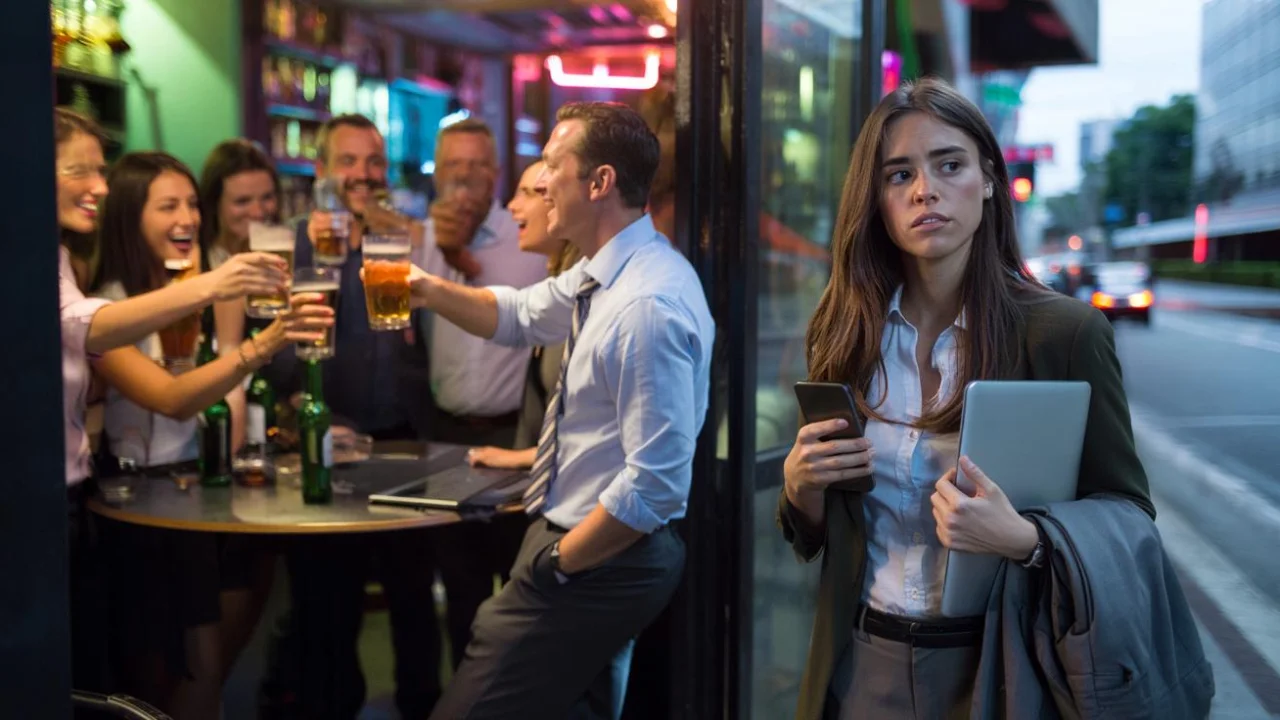
The bar was already loud when Mia walked in, still holding the tote bag she’d hoped to take straight home. Neon lights bounced off the faces of her colleagues as her manager waved her over, pint in hand. “You made it! Now we’ll see if you’re really a team player,” he joked, loud enough for the whole table to hear.

She smiled, but her stomach dropped. She’d said she couldn’t stay late. She’d said she didn’t drink. She’d said she had a 6am school run the next day.
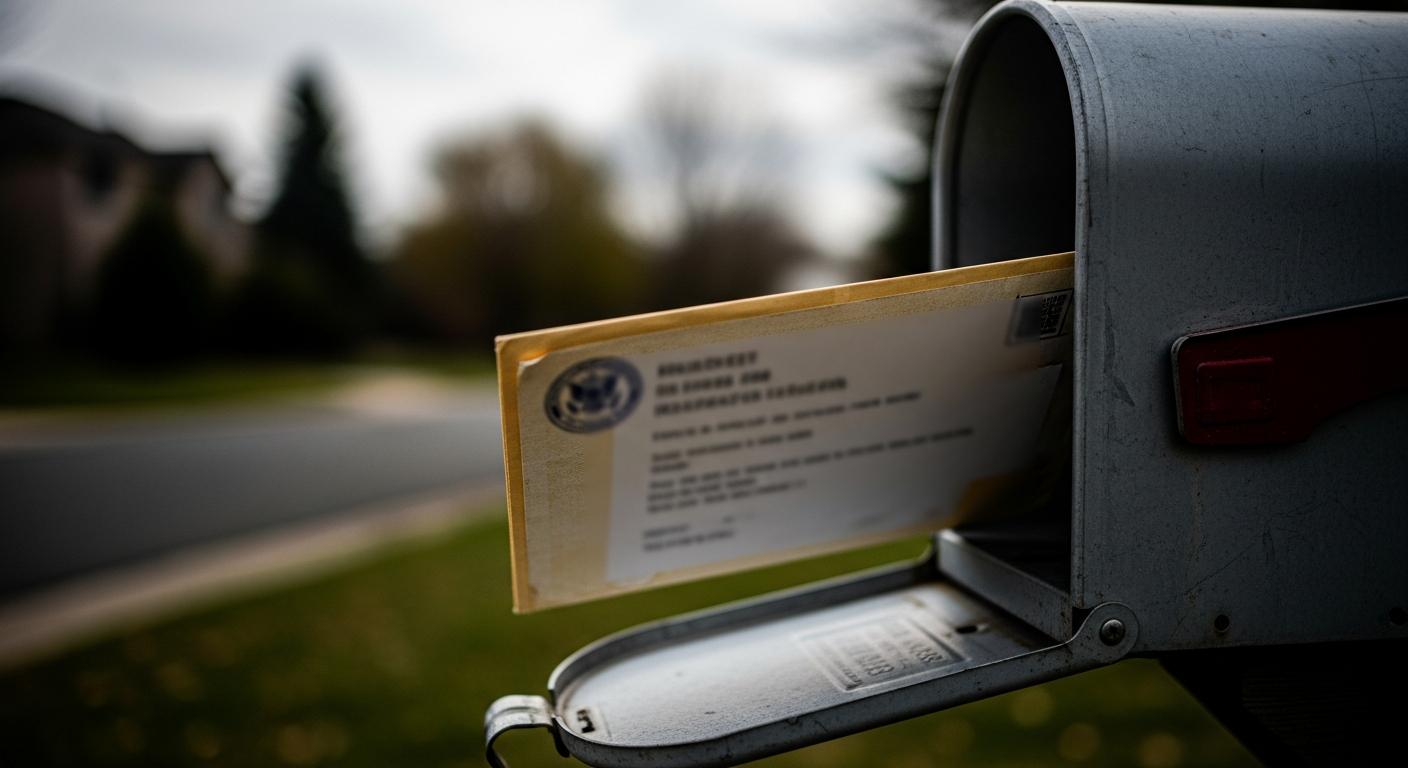
Two weeks later, her “probation review” email landed. The subtext hit harder than the subject line.
When workplace team bonding becomes a job requirement
Across offices nationwide, a troubling trend is emerging where after-hours socializing isn’t just encouraged—it’s quietly expected. What starts as “optional” team drinks slowly morphs into an unspoken performance metric, leaving employees like Mia caught between their personal boundaries and career survival.
Mia’s story went viral after she shared her experience on social media, claiming her boss terminated her employment for consistently declining to attend after-hours drinking sessions. Her manager had framed these events as essential workplace team bonding opportunities, but Mia saw them differently.

“I just want to do my job and go home,” became her rallying cry, resonating with thousands of workers facing similar pressure.
Employment attorney Sarah Chen explains the legal gray area: “While employers can’t explicitly fire someone for refusing to drink alcohol, they can create environments where non-participation becomes a career liability.”

The case highlights a growing workplace culture clash between traditional work-life boundaries and companies pushing for deeper employee engagement through social activities.
The hidden costs of mandatory fun
When workplace team bonding shifts from conference rooms to cocktail lounges, the stakes change dramatically. What seems like harmless office culture can create serious barriers for various employee groups.

Consider who gets left behind when team bonding revolves around alcohol:
- Parents with school pickup responsibilities
- Employees in recovery from alcohol addiction
- Religious individuals who don’t drink
- Workers with medical conditions preventing alcohol consumption
- People with long commutes or second jobs
- Employees managing elderly parents or family caregiving
The financial burden also matters. Regular after-work socializing can cost employees hundreds of dollars monthly, creating an invisible pay-to-play career advancement system.
| Expense Category | Monthly Cost Range | Annual Impact |
|---|---|---|
| Drinks and food | $150-300 | $1,800-3,600 |
| Transportation/parking | $50-100 | $600-1,200 |
| Childcare extension | $200-400 | $2,400-4,800 |
| Professional wardrobe | $75-150 | $900-1,800 |
HR consultant Michael Rodriguez warns: “Companies think they’re building culture, but they’re actually creating exclusive clubs within their own workforce.”
The psychological pressure intensifies when promotions and project assignments seem to correlate with happy hour attendance. Employees report feeling excluded from important conversations that happen “casually” over drinks.
Legal boundaries and workplace rights
The legal landscape around mandatory workplace team bonding remains complex, but employees do have protections. Understanding these rights becomes crucial when social pressure crosses into employment consequences.
Federal and state laws protect workers from discrimination based on religion, disability, and family status. When after-hours events become job requirements, they can violate these protections.
Key legal considerations include:
- Religious accommodation rights for employees whose faith prohibits alcohol
- Disability protections for workers with addiction recovery or medical conditions
- Family status discrimination when events conflict with childcare responsibilities
- Workers’ compensation liability if employees are injured at company-sponsored events
Labor law expert Jennifer Walsh notes: “Smart companies document that social events are truly optional and create multiple ways for employees to demonstrate team commitment.”
Several recent lawsuits have challenged the practice of tying career advancement to social participation. While outcomes vary, courts increasingly recognize the discriminatory potential of alcohol-centric workplace team bonding.
Employees facing this pressure should document expectations clearly. Save emails mentioning “team spirit” evaluations tied to social events. Record instances where work discussions happen exclusively in bars or restaurants.
The Equal Employment Opportunity Commission has received growing numbers of complaints about workplace social requirements. These cases often involve religious discrimination or disability accommodation failures.
Workplace consultant David Kim advises: “The smartest companies offer diverse team building options—volunteer work, lunch meetings, fitness activities—so everyone can participate authentically.”
Some progressive employers now explicitly state that career advancement never depends on after-hours socializing. They create written policies ensuring multiple pathways for demonstrating collaboration and team commitment.
For workers like Mia, the message is becoming clearer: your job performance should speak louder than your bar tab. The challenge lies in finding employers who truly embrace that principle rather than just paying lip service to work-life balance.
As this workplace culture war continues, one thing remains certain—the days of assuming everyone wants to grab drinks after work are numbered. Smart companies will adapt, while others may find themselves explaining their decisions in court.
FAQs
Can my boss legally fire me for not attending after-work social events?
Not directly, but they might cite “cultural fit” or “team collaboration” issues, making it legally complicated to prove the real reason.
What should I do if I feel pressured to drink with colleagues?
Document the pressure, speak with HR about accommodation needs, and suggest alternative team building activities that don’t involve alcohol.
Are there laws protecting employees who don’t drink alcohol?
Yes, religious beliefs, disability status, and family responsibilities are protected classes that can’t be discriminated against in employment decisions.
How can companies do team bonding without excluding people?
Offer diverse options like lunch meetings, volunteer activities, sports events, or rotating the timing and location of social gatherings.
Should I file a complaint if I think I’m being discriminated against?
Consider speaking with HR first, but document everything and consult an employment attorney if the situation doesn’t improve.
What constitutes reasonable workplace team bonding?
Activities during work hours, multiple participation options, no alcohol requirement, and clear statements that attendance doesn’t affect job performance.
About the Author